One Treatment, a Lifetime of Questions
A durable therapy changes more than a treatment schedule. It asks healthcare to think differently about follow-up, evidence, payment, and the years that come after.
Platform biology and the evidence, manufacturing and access demands of genetic medicines.

A durable therapy changes more than a treatment schedule. It asks healthcare to think differently about follow-up, evidence, payment, and the years that come after.

Follow the decisions between a promising result and completed care—and distinguish scientific failure from avoidable execution gaps.

A fictional day asks what earlier detection, personalized treatment, and connected care would need to deliver for a real person.
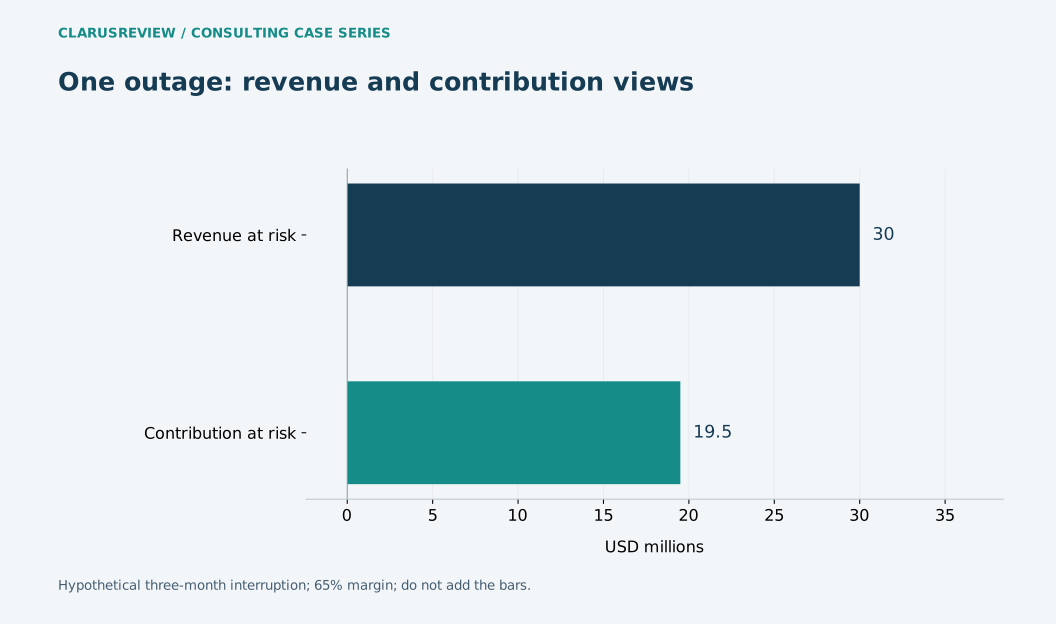
Genzyme’s remediation history anchors a hypothetical outage-exposure and backup-capacity decision.
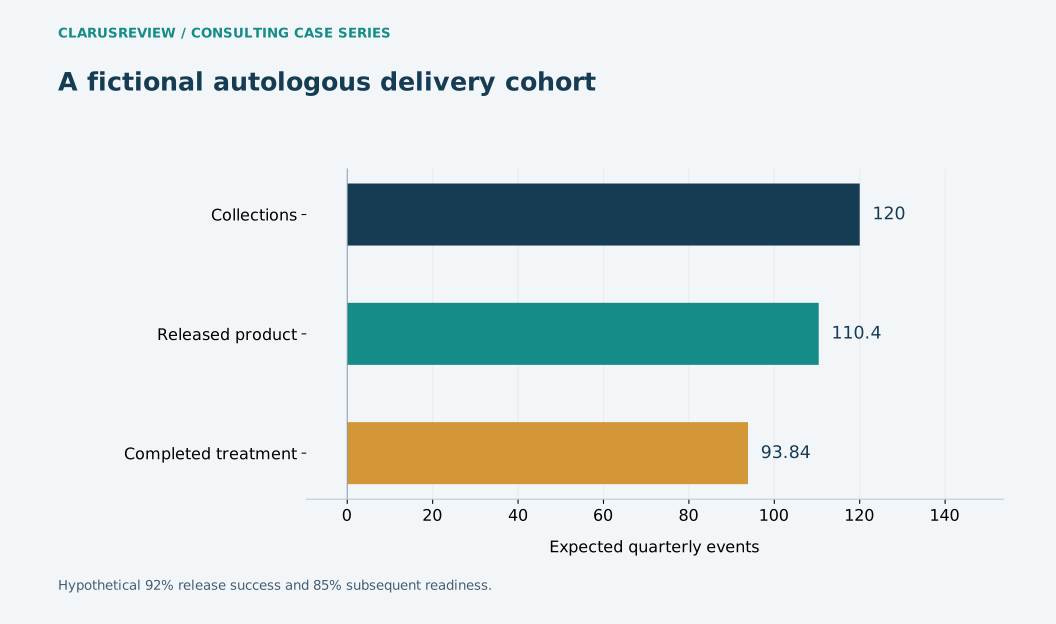
Kymriah and current cell-therapy commercialization frame manufacturing reliability, release timing and patient readiness.
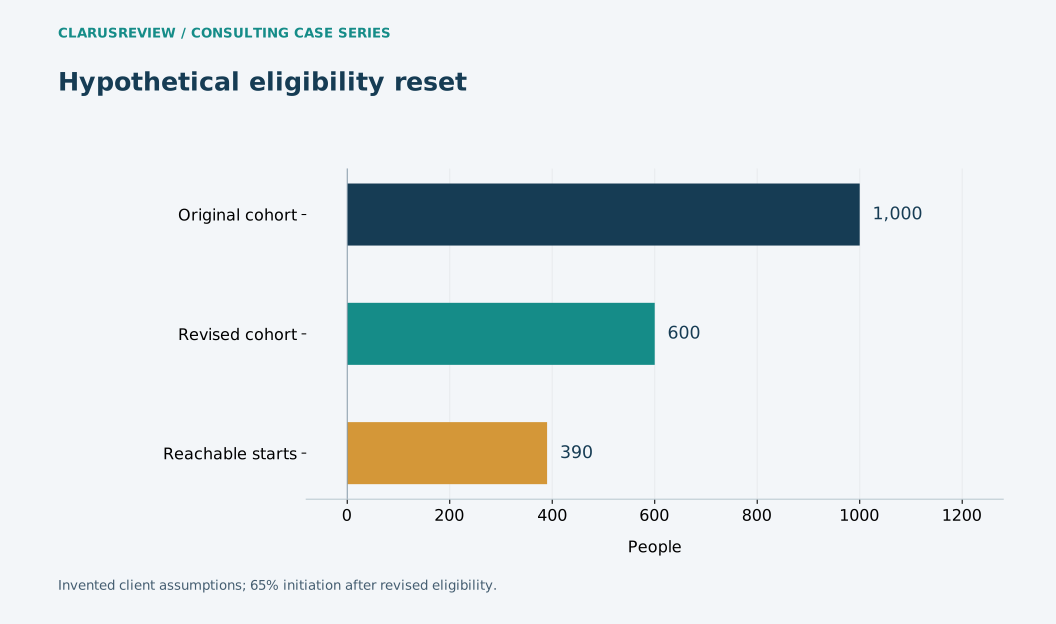
The Elevidys safety revision informs a hypothetical surveillance budget and an eligibility-sensitive operating plan.
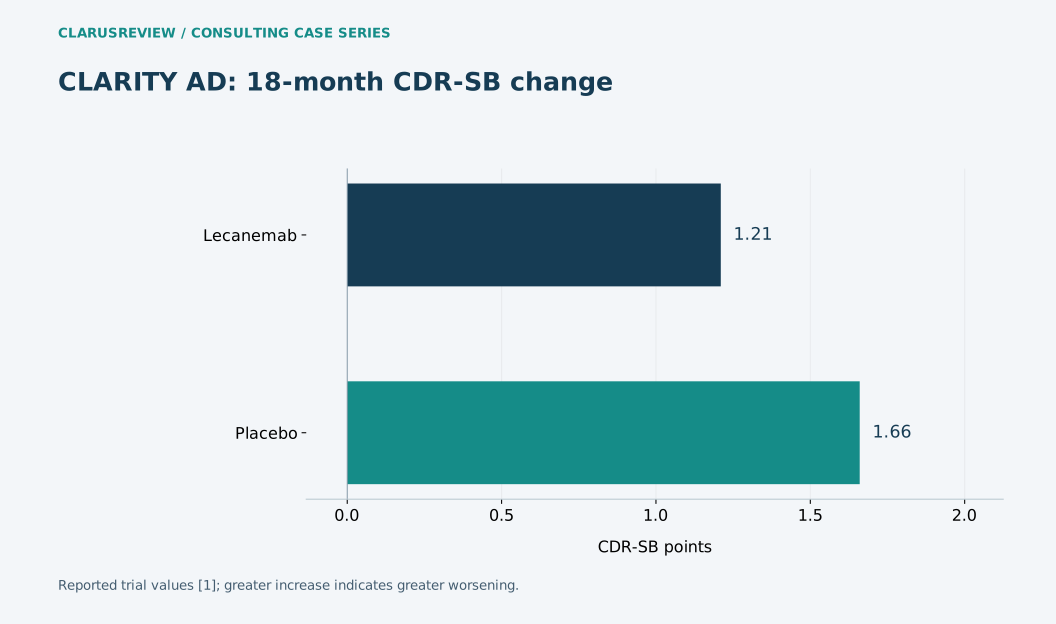
Leqembi’s randomized evidence and AMT-130’s September update frame a client’s sensitivity analysis and evidence reserve.
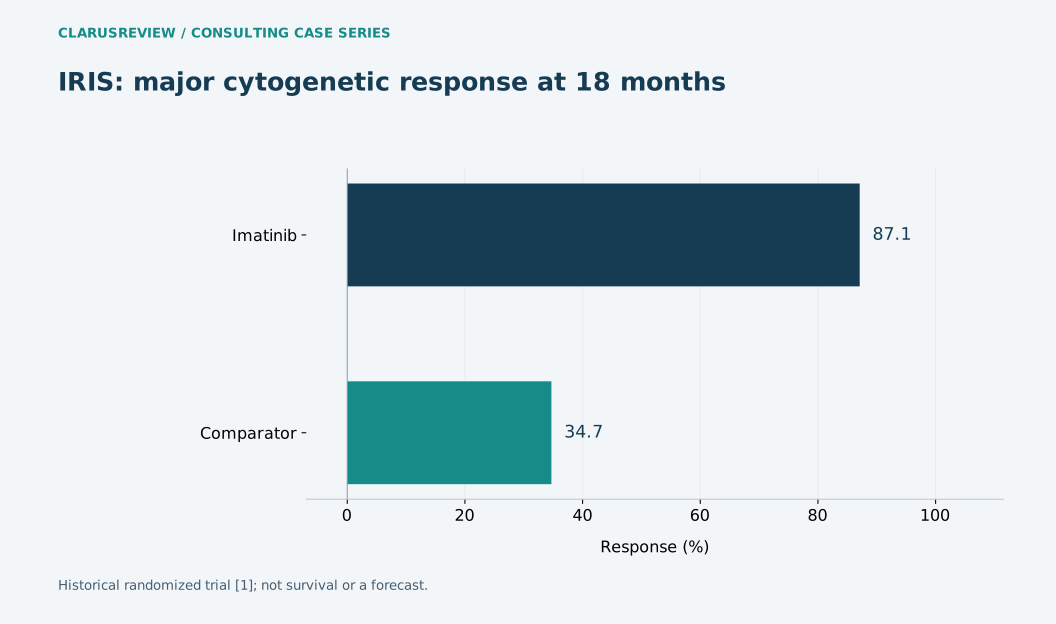
IRIS and a recent biomarker-led approval frame a hypothetical oncology program’s recruitment, assay and capital decisions.

Why a small, well-defined population still needs rigorous comparison, diagnostic execution and a clear financing plan.
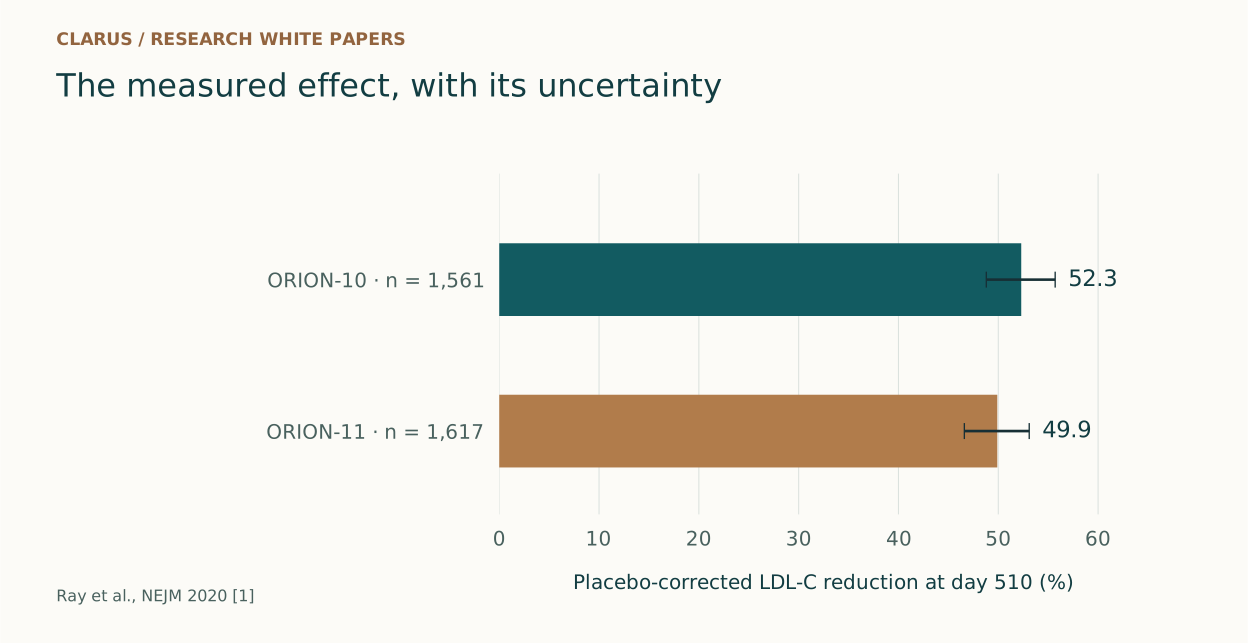
Two randomized trials illustrate how to communicate a strong biomarker result without extending it beyond the measured outcome.

HERALD and the 2021 rolling-review withdrawal illustrate a portfolio decision after an incomplete success.

A historical storage change shows why a process convenience needs product-specific supporting data.

APOLLO joined a molecular mechanism to 18-month clinical measures in a defined hereditary disease.

The CMS access model makes outcome contracting, treatment logistics, and follow-up separate milestones.