Liver-chip validation: the evidence and investment gate for a NAM
FDA’s 2026 terminology change, a historical liver-chip benchmark and a transparent error-cost model show what a validation investment must establish.
48 research white papers across four connected themes. Public research and industry data, original figures, and practical decision frameworks.
Statistics are traced to primary research or the original data publisher. Industry and news reporting supply context. Each figure identifies its period, units, and limits; Clarus analysis is separated from published findings. Each article identifies its source dates. Historical snapshots are labeled.

FDA’s 2026 terminology change, a historical liver-chip benchmark and a transparent error-cost model show what a validation investment must establish.
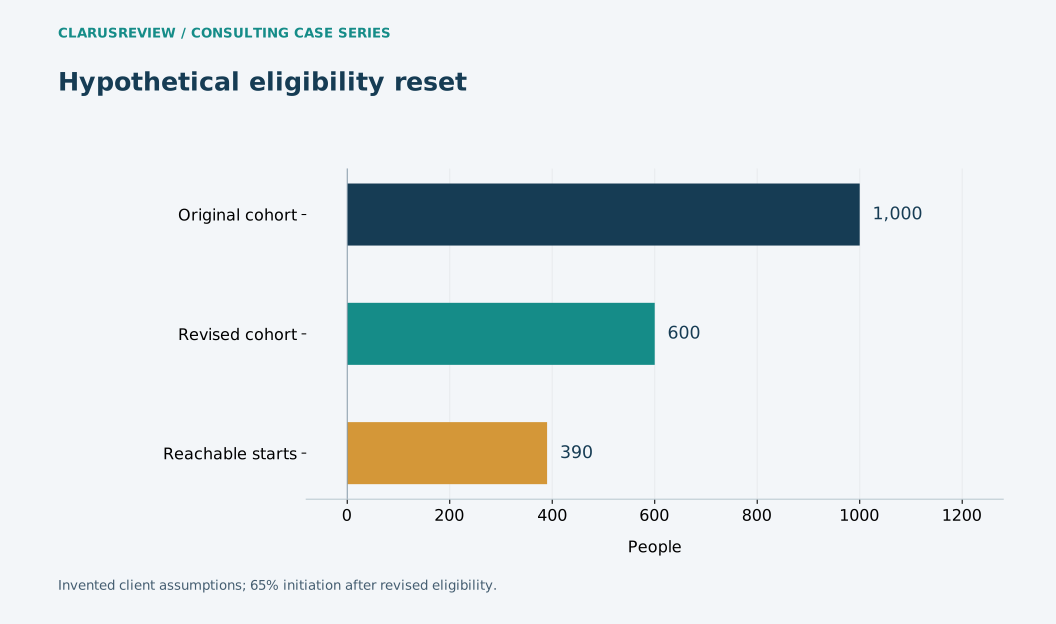
The Elevidys safety revision informs a hypothetical surveillance budget and an eligibility-sensitive operating plan.
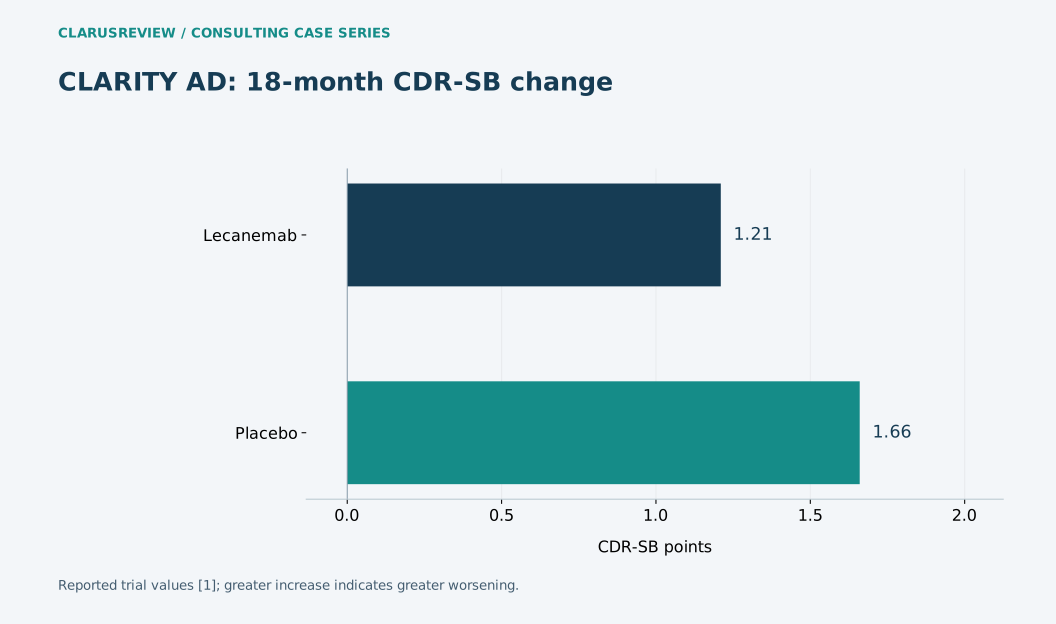
Leqembi’s randomized evidence and AMT-130’s September update frame a client’s sensitivity analysis and evidence reserve.
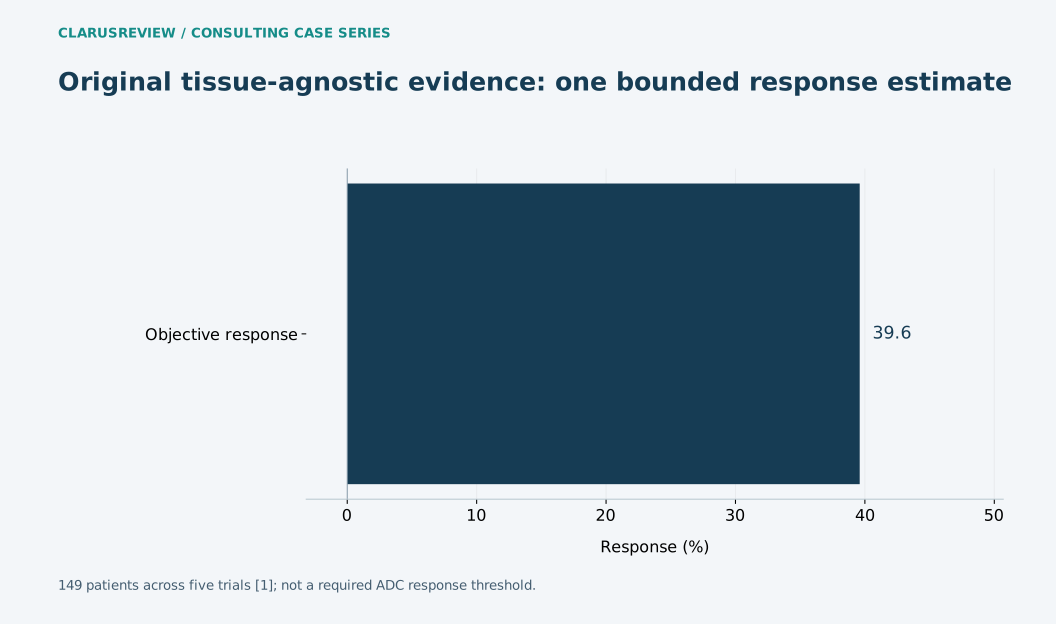
A September 2026 ADC filing withdrawal becomes a hypothetical evidence-gap, delay and cash-runway assignment.
A drug–diagnostic operating model turns assay availability, testing attrition and turnaround into measurable launch dependencies.
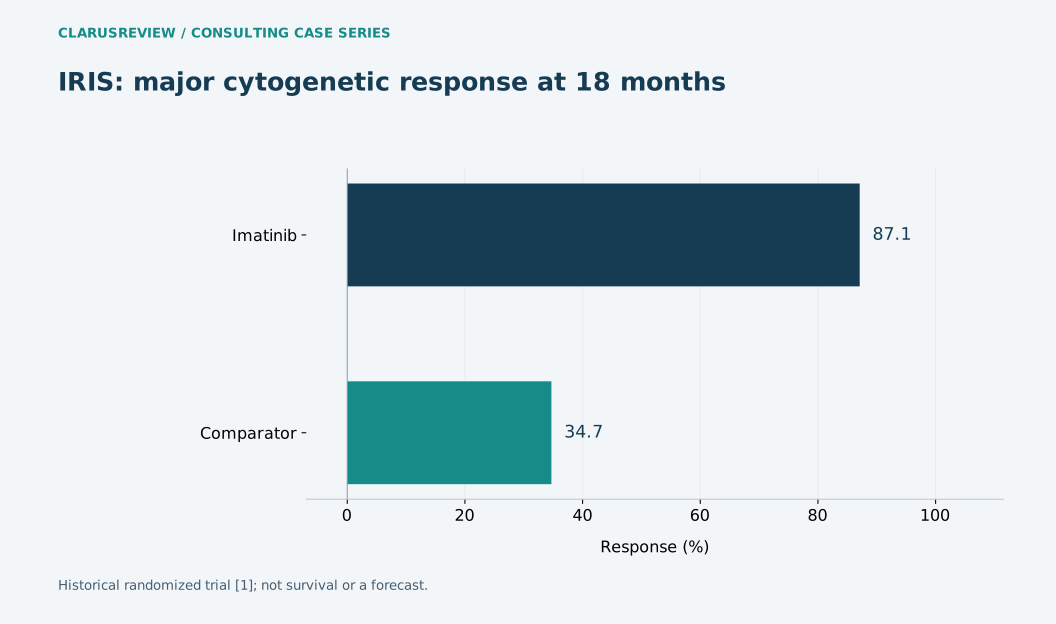
IRIS and a recent biomarker-led approval frame a hypothetical oncology program’s recruitment, assay and capital decisions.

Sotatercept and OCEANIC-AF illustrate why a benefit claim must remain tied to its population, comparator and endpoint.

Why a small, well-defined population still needs rigorous comparison, diagnostic execution and a clear financing plan.

Positive and negative trial examples show why endpoint choice, patient selection and execution costs must be assessed together.
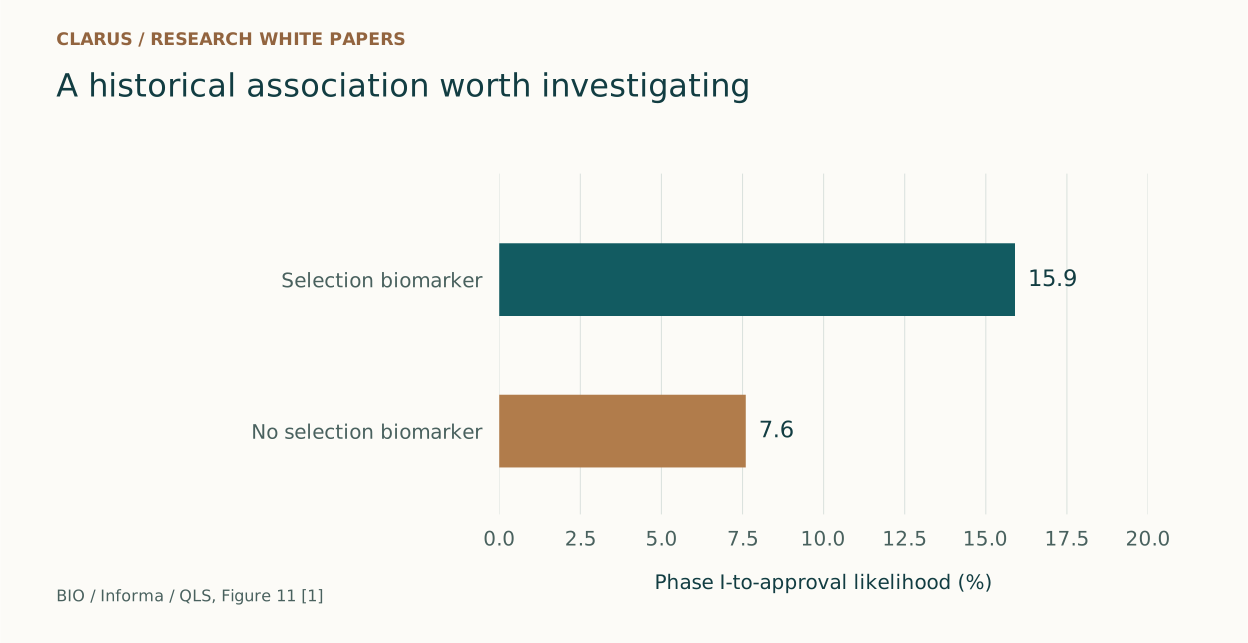
Historical industry data support careful study of biomarker-led programs while leaving important causal and operational questions open.
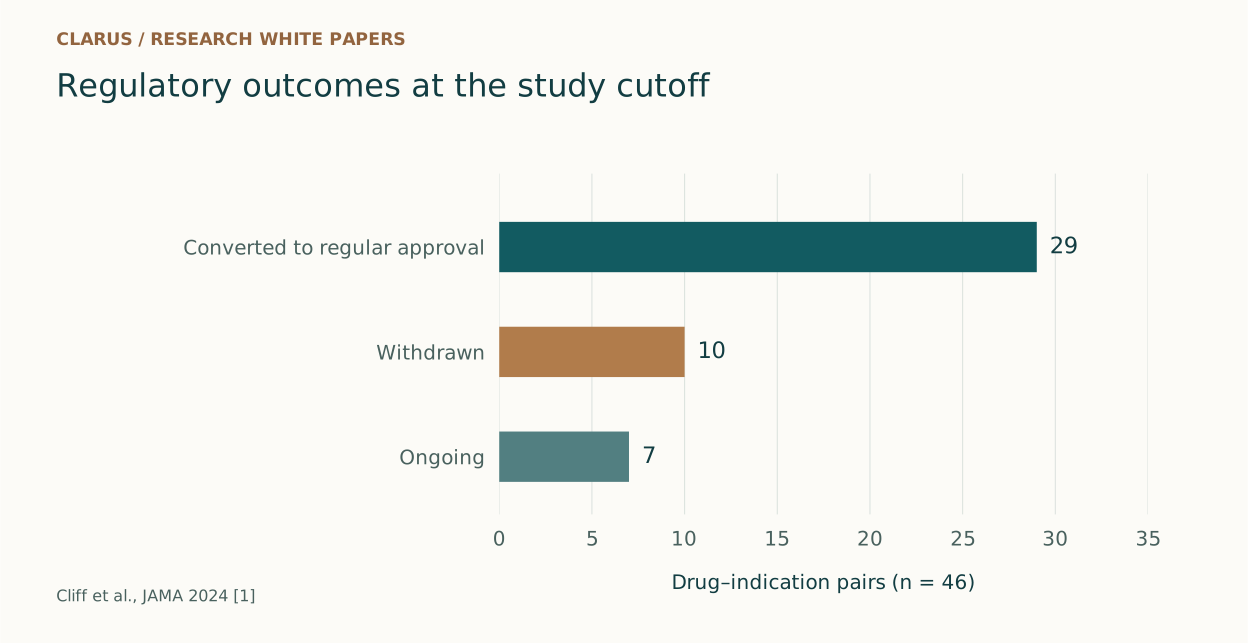
An oncology cohort shows why regulatory status and demonstrated patient benefit need separate tracking.
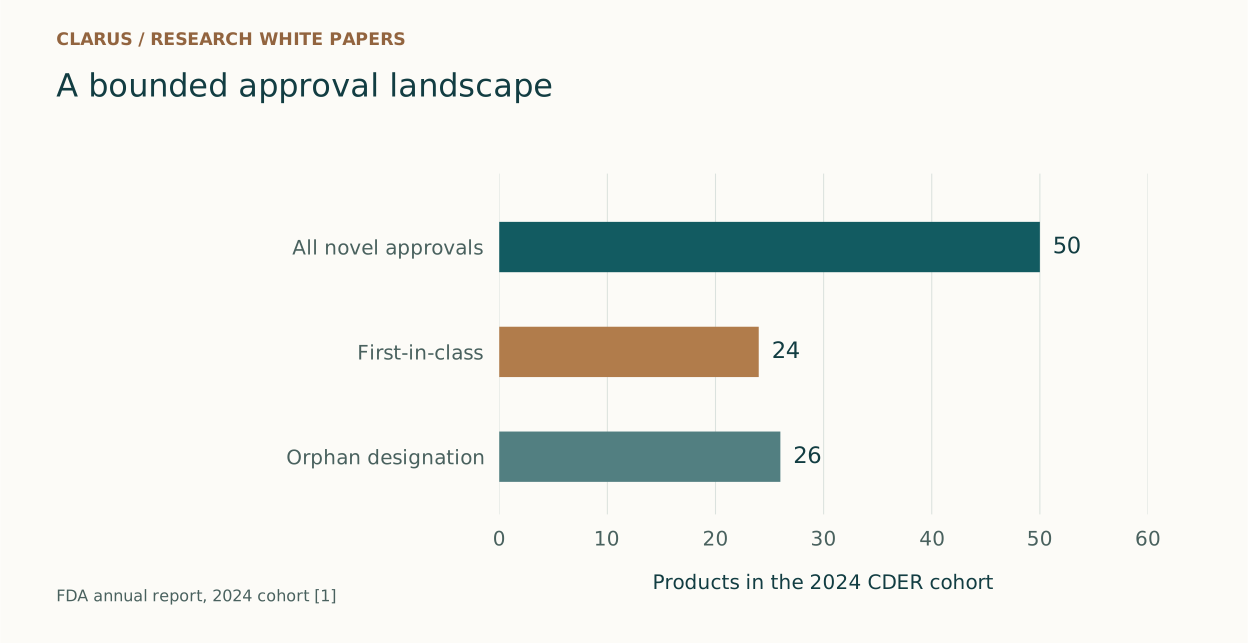
A defined FDA approval cohort can reveal the shape of innovation. It cannot rank clinical value or predict the next development program.

Vyxeos provides the clinical anchor; a separate yield and cash-cost model tests whether a manufacturing improvement deserves investment.
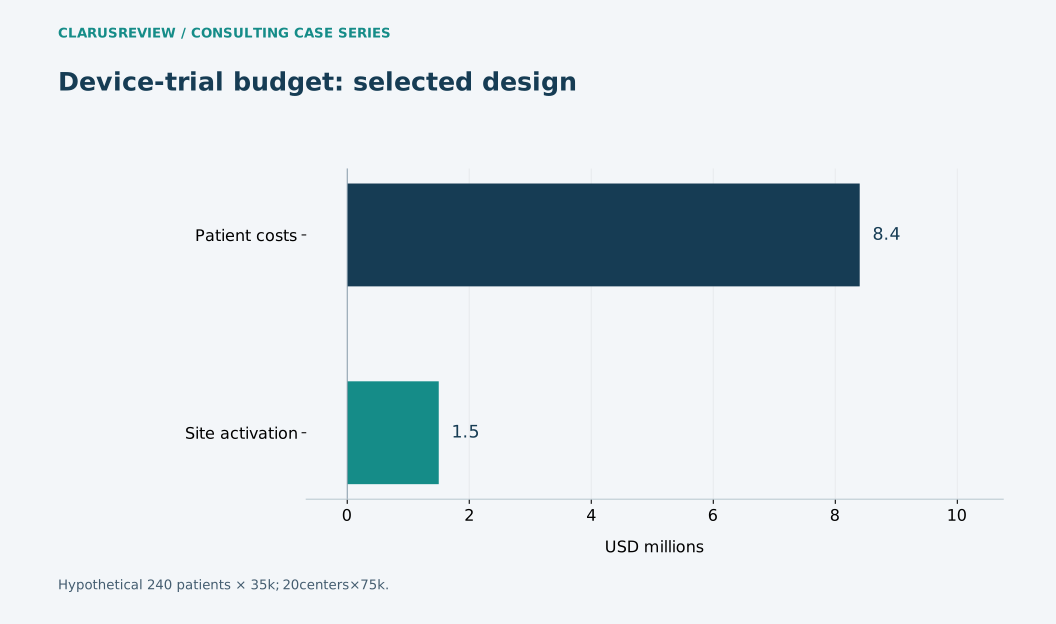
SYMPLICITY HTN-3 frames a hypothetical device trial budget, site plan and milestone gate.
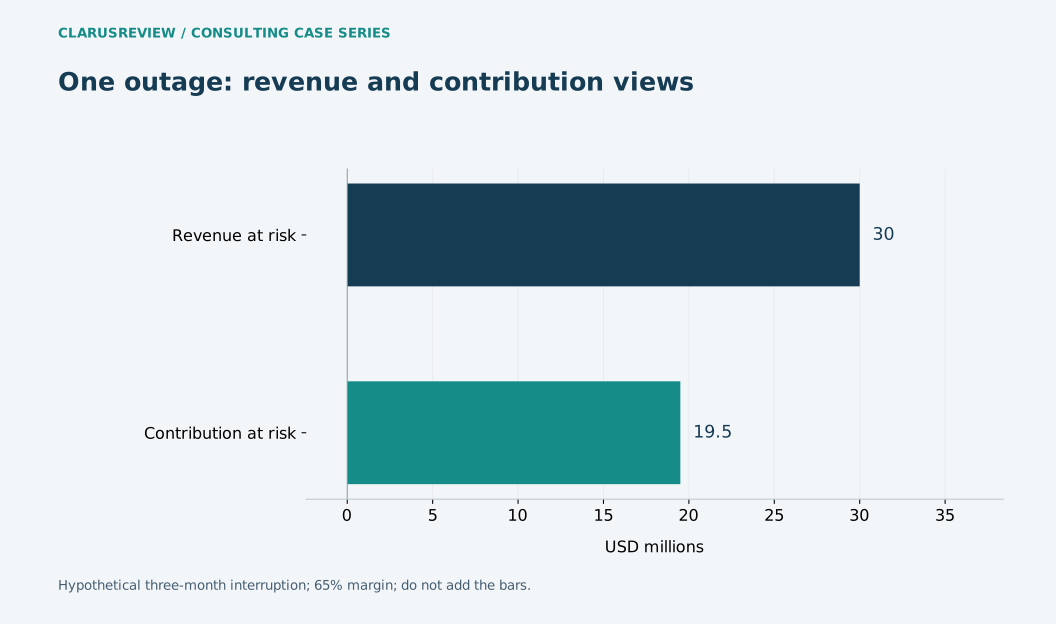
Genzyme’s remediation history anchors a hypothetical outage-exposure and backup-capacity decision.
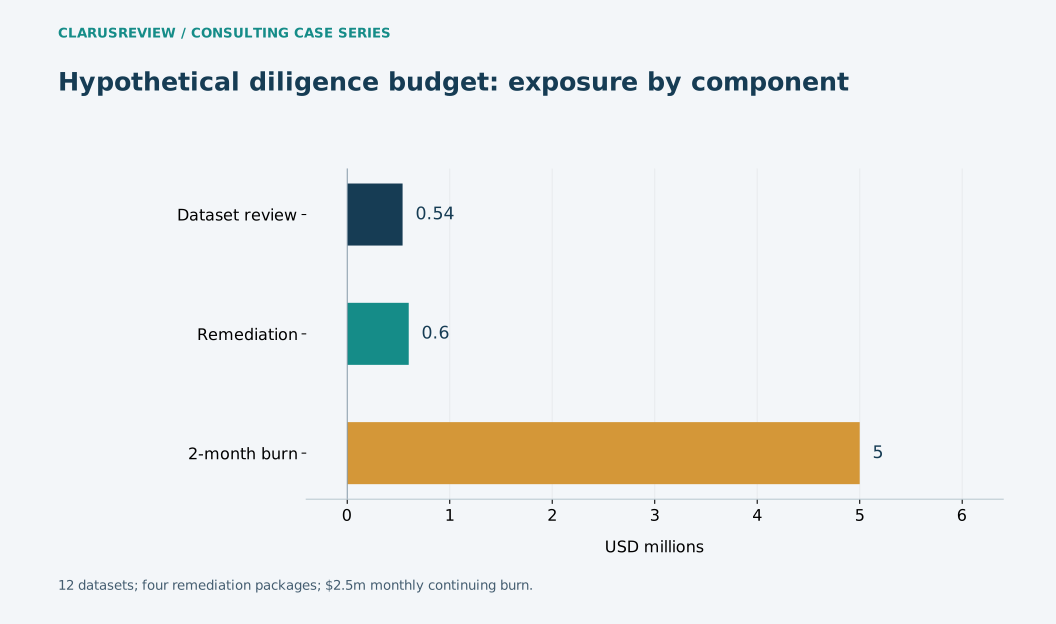
A historical gene-therapy data issue informs a hypothetical audit, remediation and transaction-delay model.
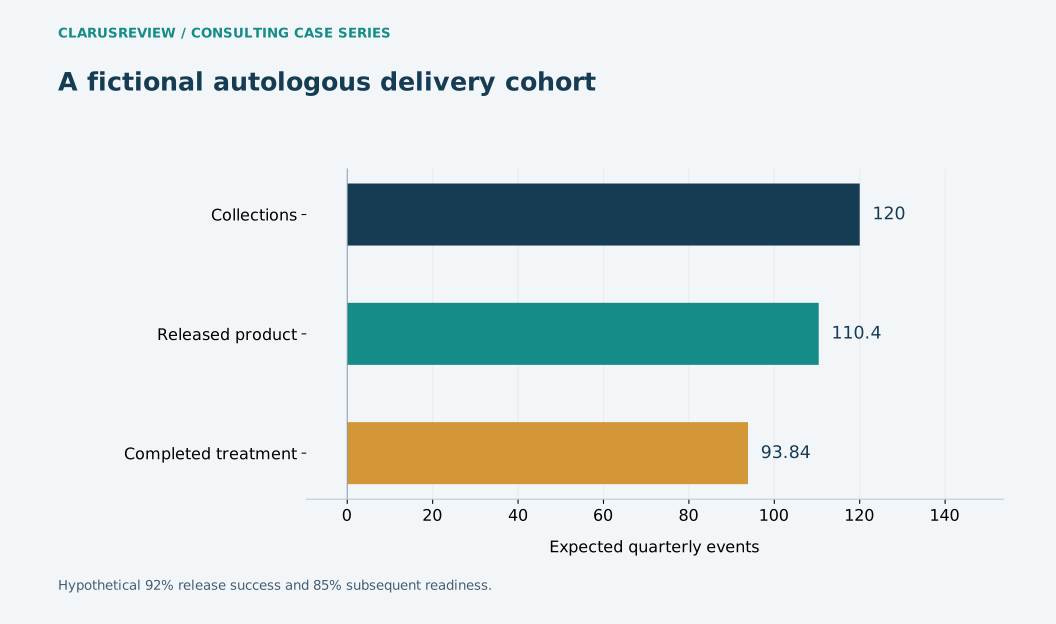
Kymriah and current cell-therapy commercialization frame manufacturing reliability, release timing and patient readiness.
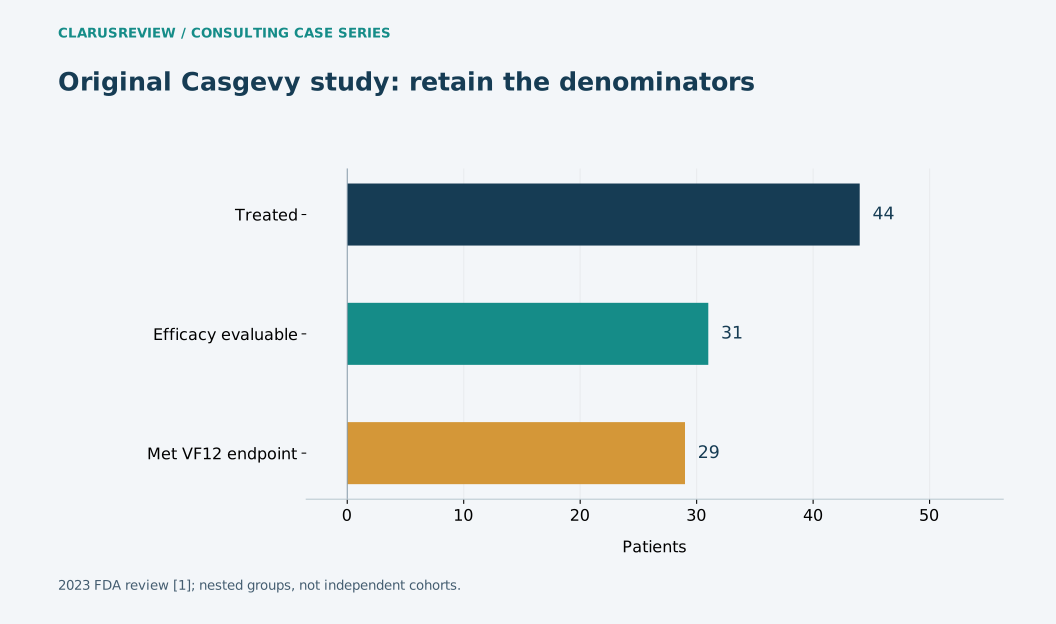
Original gene-editing evidence and 2026 launch revenue inform a hypothetical treatment-center capacity model.

Coordinate clinical, regulatory and manufacturing decisions with clear ownership, acceptance criteria and measurable handoffs.
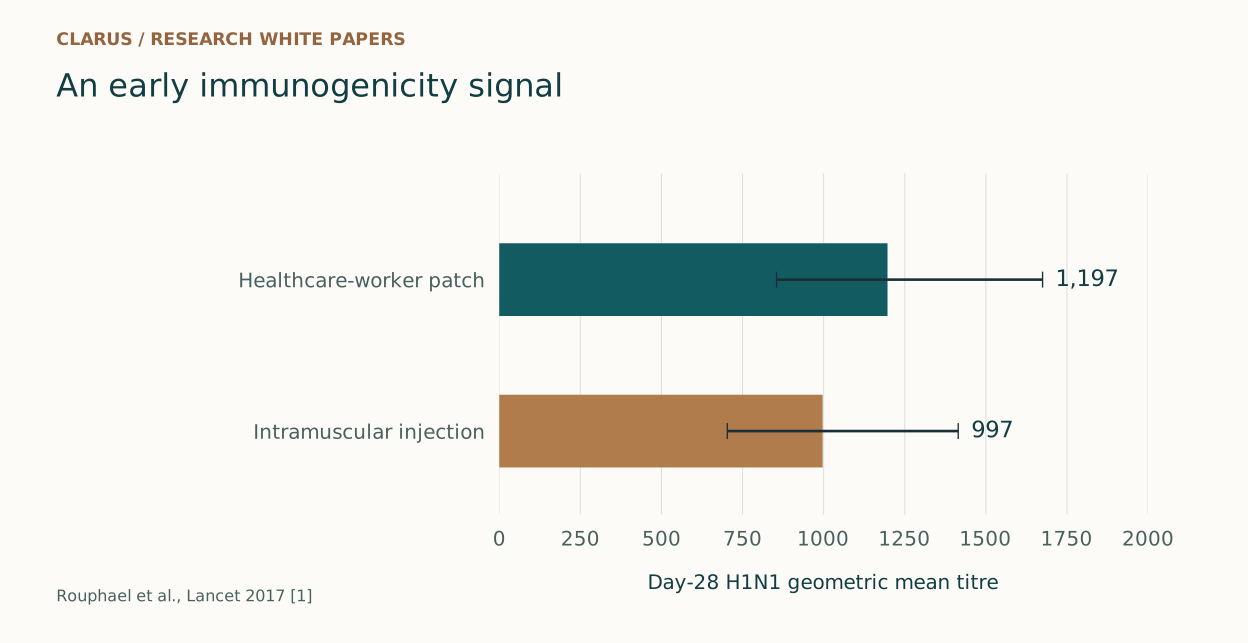
A small Phase I study provides a useful early signal and a clear boundary around what remains to be demonstrated.
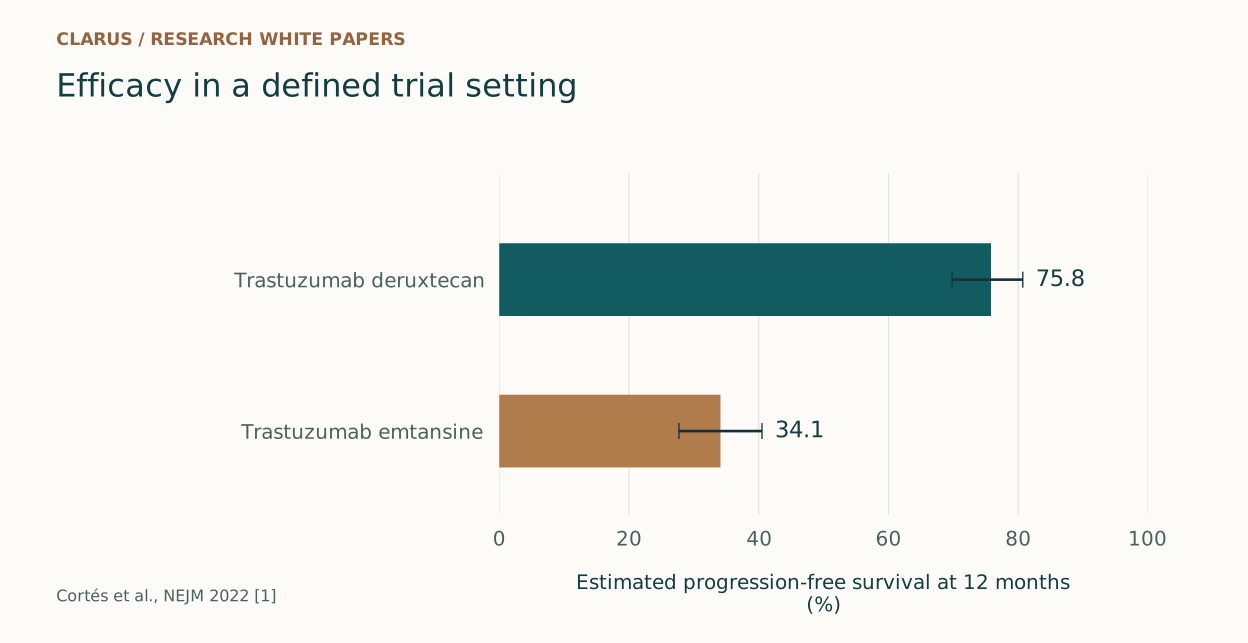
A randomized breast-cancer trial shows why efficacy and adverse-event context belong in the same product discussion.
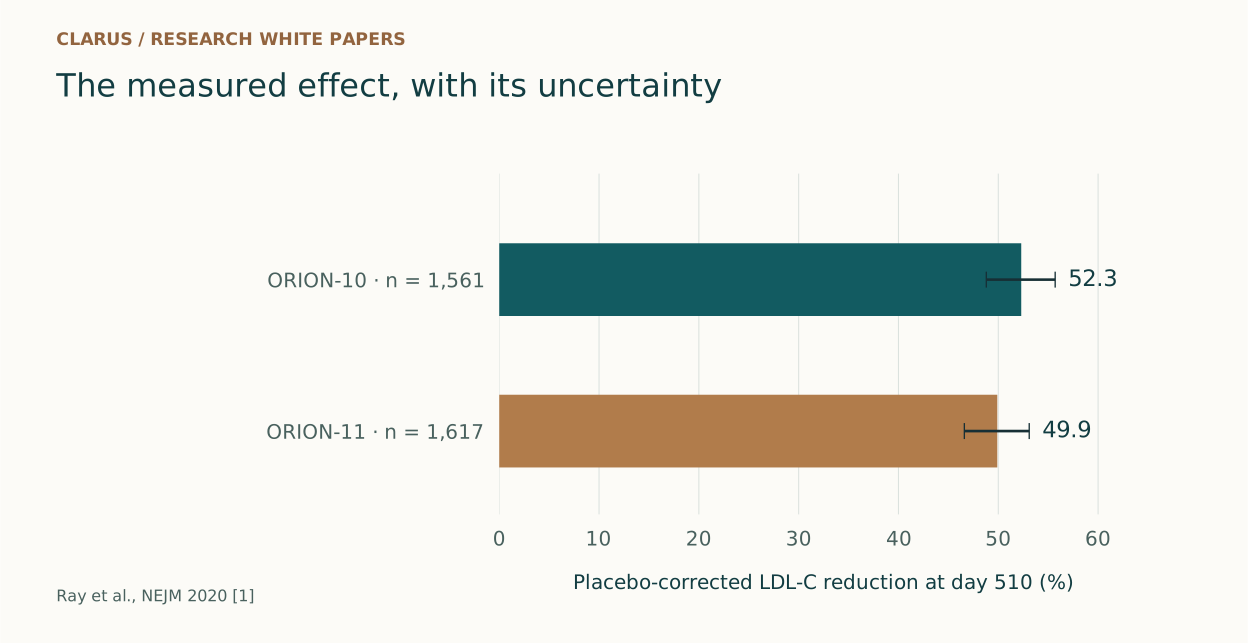
Two randomized trials illustrate how to communicate a strong biomarker result without extending it beyond the measured outcome.

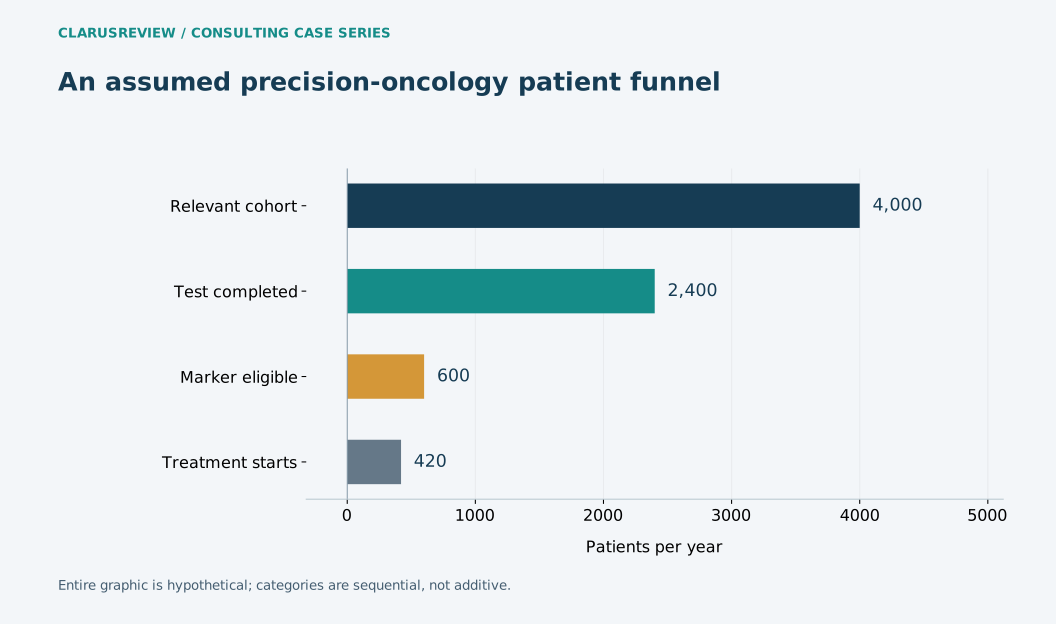
A patient-pathway funnel, starter-dose capacity check and financial threshold show why convenient dosing still needs an operating system.
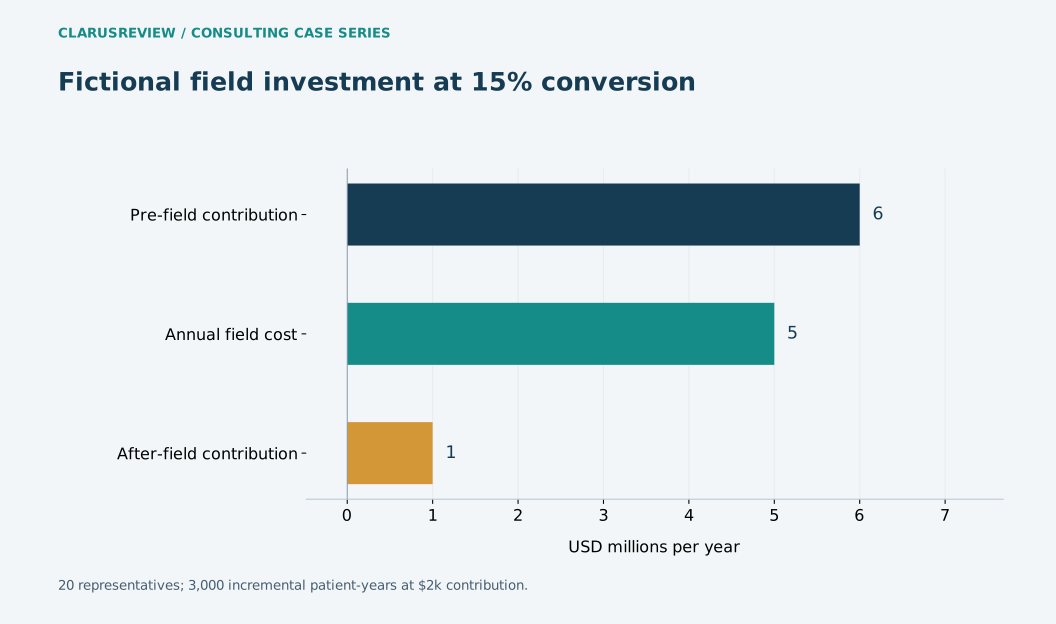
Recent generic-pressure reporting anchors a fictional sales-force redeployment and productivity model.
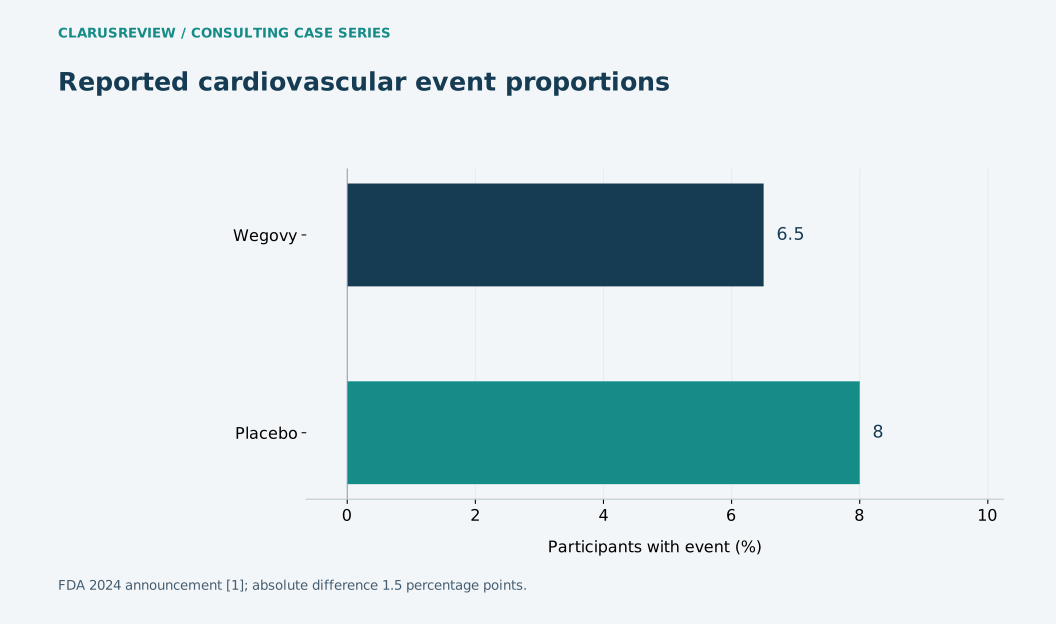
Wegovy’s outcomes result and Medicare’s next negotiation cycle frame evidence, budget and eligible-population planning.
Repatha’s historical reset and recent growth provide context for a fictional launch team’s break-even calculation.
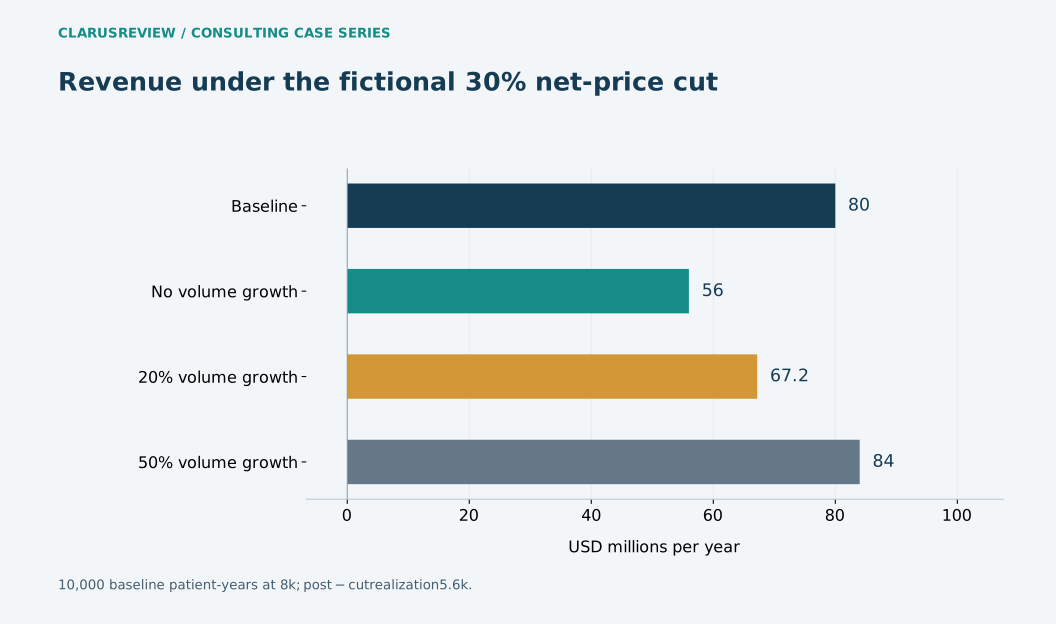
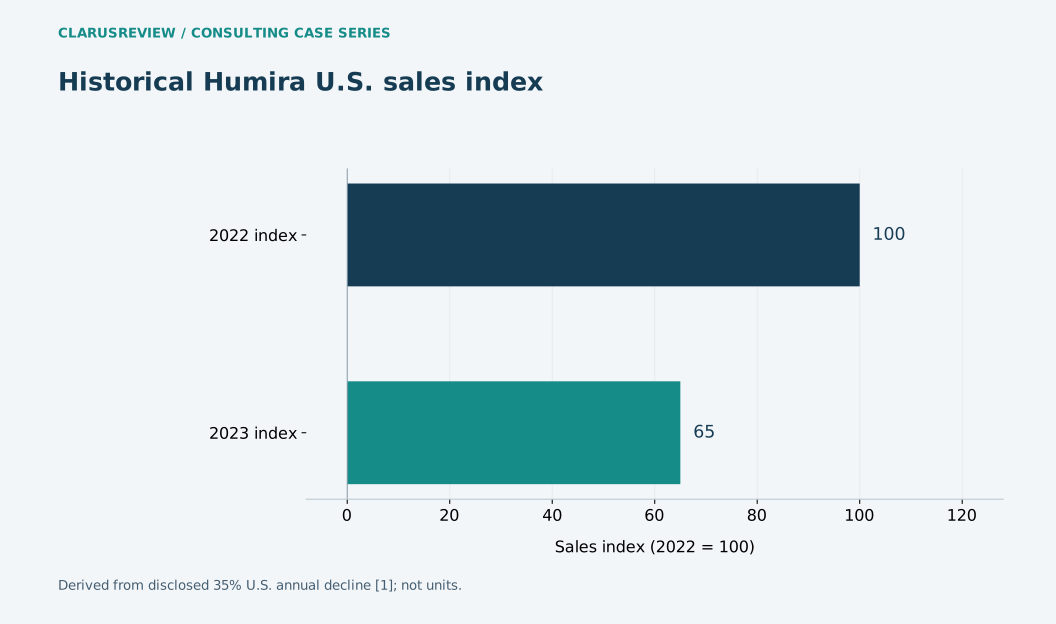
Historical U.S. erosion and 2026 global reporting inform a hypothetical biosimilar-response model.
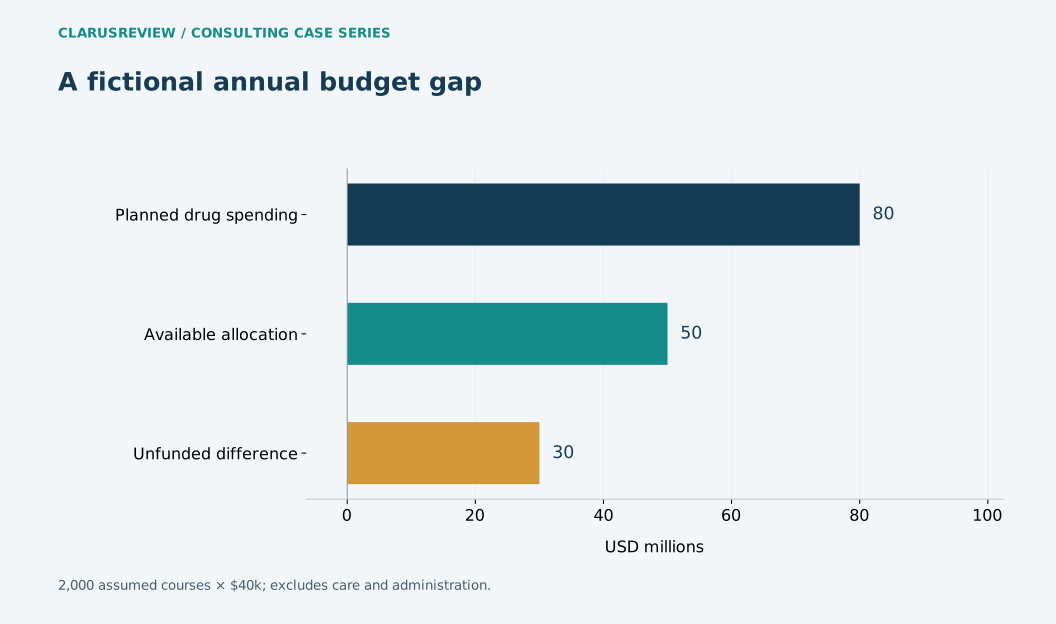
Sovaldi and current Medicare pricing implementation frame an indication-specific budget-impact assignment.

Define the baseline, deliverables and economic perspective before attributing time or money saved to an intervention.

Historical financing events and a runway model clarify what a capital headline can—and cannot—tell a reader.

A MASH case shows why a biomarker result, an approval and a commercial forecast answer different questions.

Clinical endpoints, monitoring requirements and patient persistence belong in the same commercial plan.
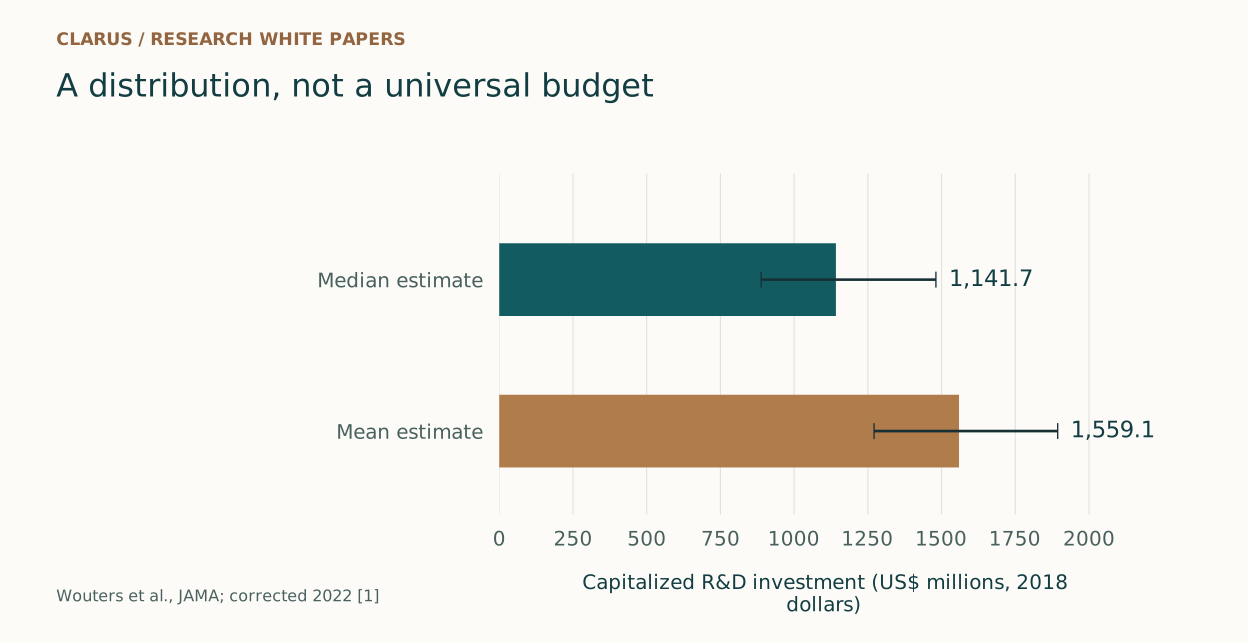
A corrected public cost study shows why a headline R&D estimate is a starting point for analysis, not a universal budget or price justification.

Recent FDA prevention counts provide a signal about supply interventions, while leaving product-level access questions unresolved.

A record approval year offers an opportunity to examine the operational steps between regulatory entry and patient access.

Merck–Moderna’s collaboration provides the timeline; a separate cash model tests option exercise, delay, settlement and the no-payment branch.
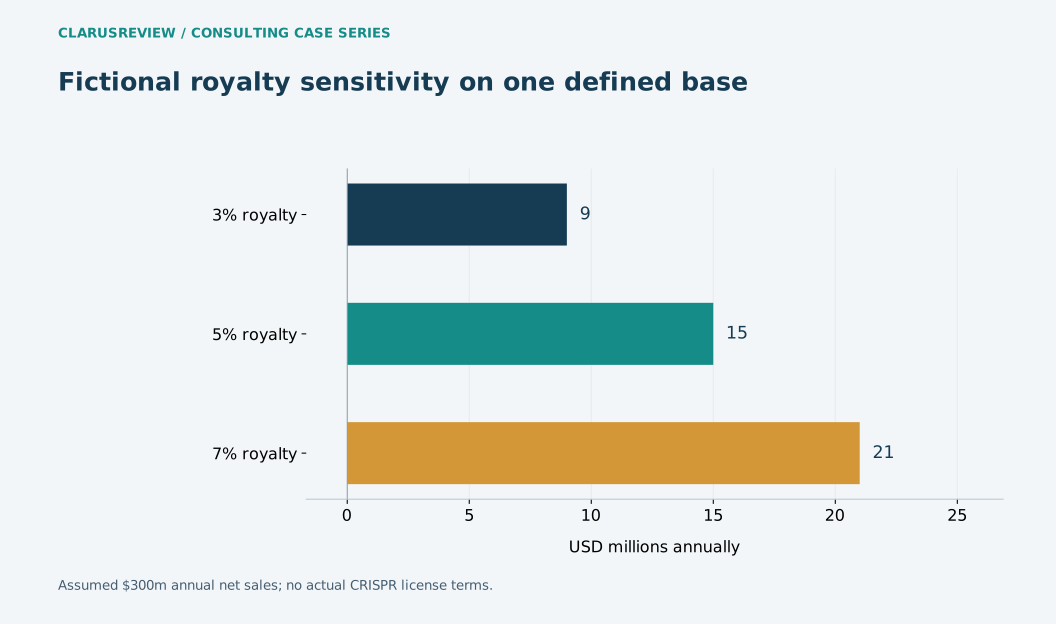
The CRISPR patent appeal frames a hypothetical rights map, licensing sensitivity and IP diligence gate.
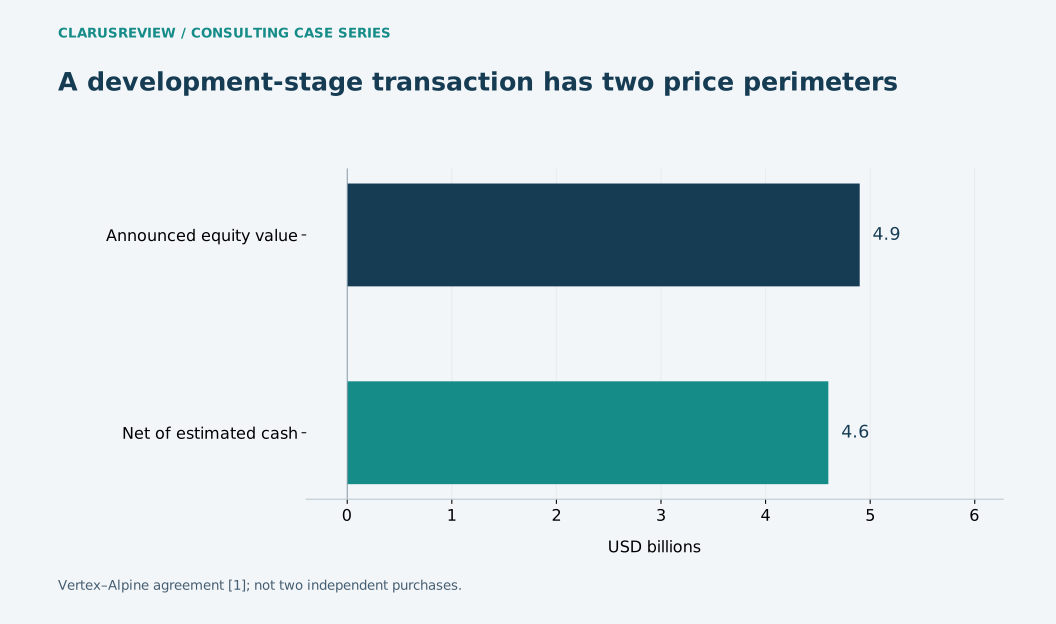
A development-stage acquisition and a company-reported upcoming review date frame a fictional option-value model.
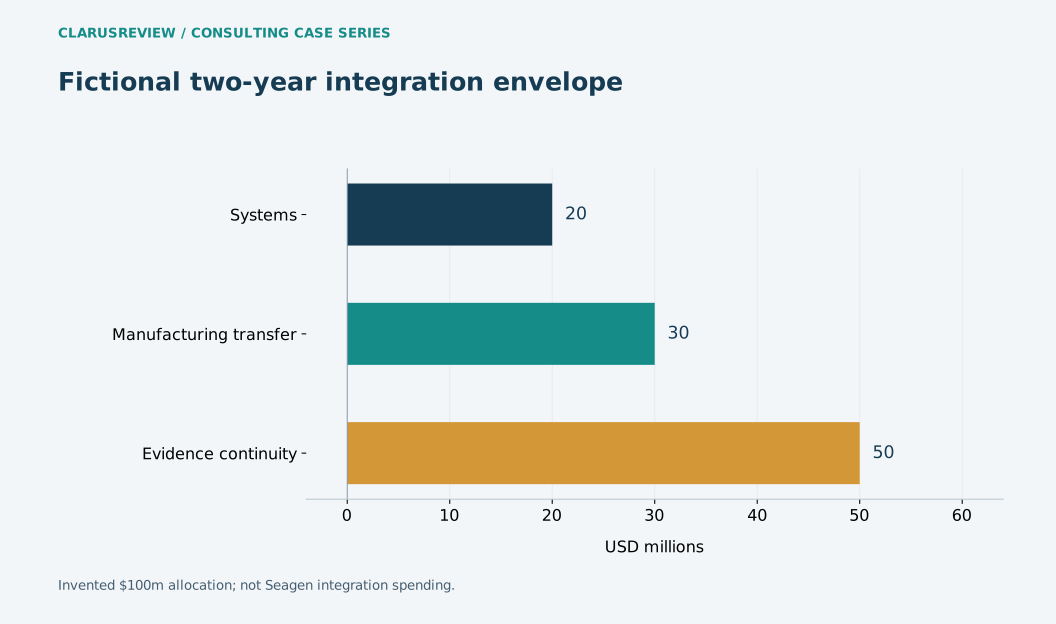
Pfizer–Seagen provides transaction context for a fictional buyer’s integration reserve and portfolio gates.
A major ADC collaboration and a recent filing setback frame staged licensing, dilution and evidence-linked funding.
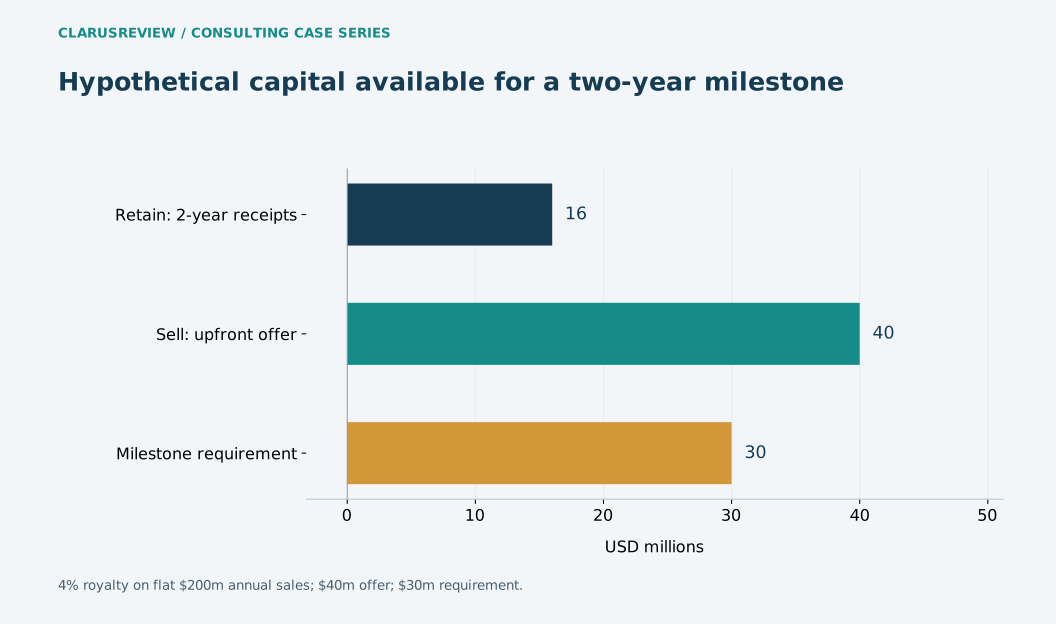
Cystic Fibrosis Foundation venture philanthropy frames a hypothetical royalty-retention and monetization decision.

A numerical framework for understanding why a milestone may change value—and why the calendar alone does not.

Turn a leadership directory into a dated, evidence-based partnering process with measurable progression.

A practical architecture for communicating clinical meaning, financing exposure and the work required for adoption.

A decision framework for separating clinical evidence, regulatory credibility and usable economic returns.
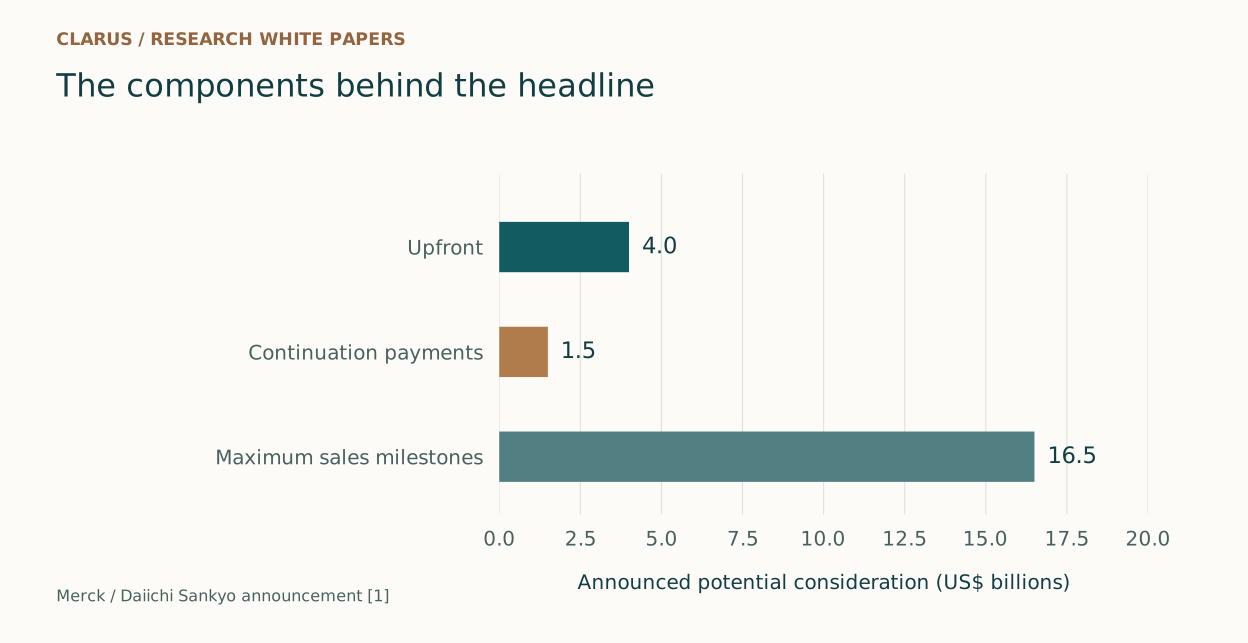
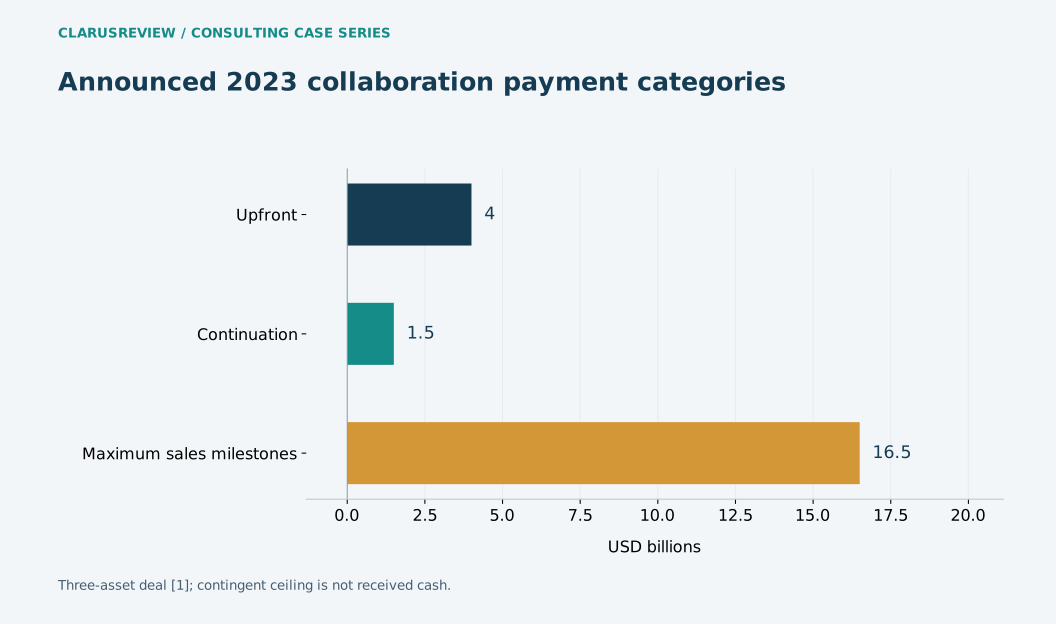
A large ADC collaboration illustrates why maximum announced consideration should be decomposed before it enters a value narrative.
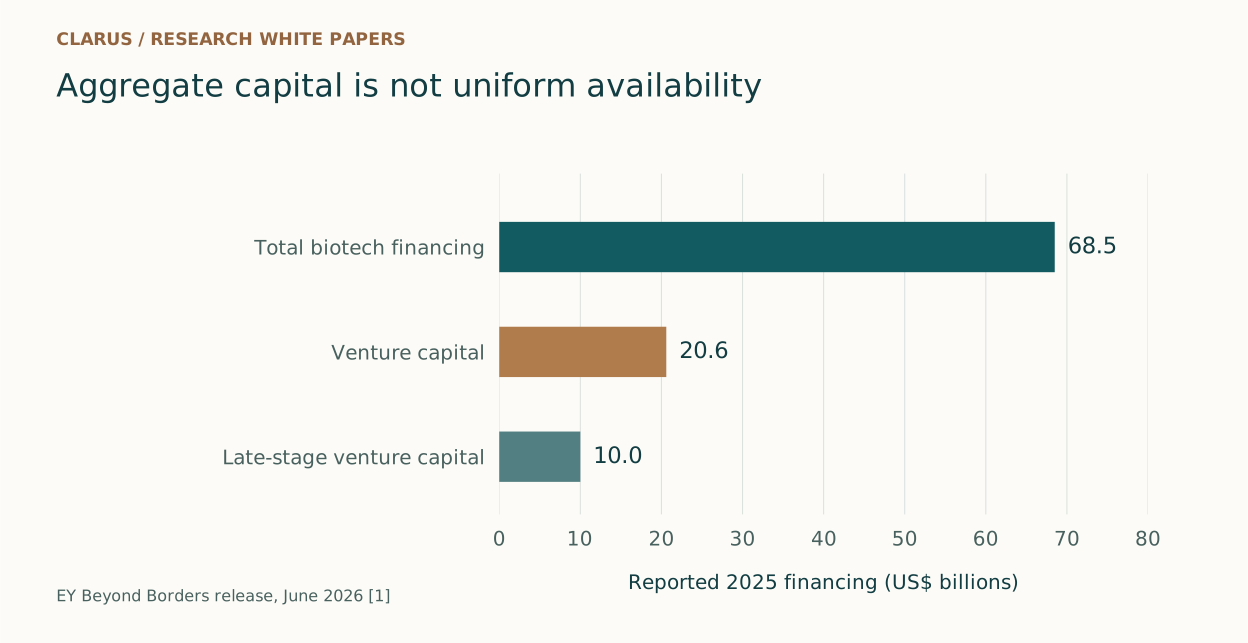
Recent industry financing data show why an aggregate recovery does not remove the need for company-level capital discipline.
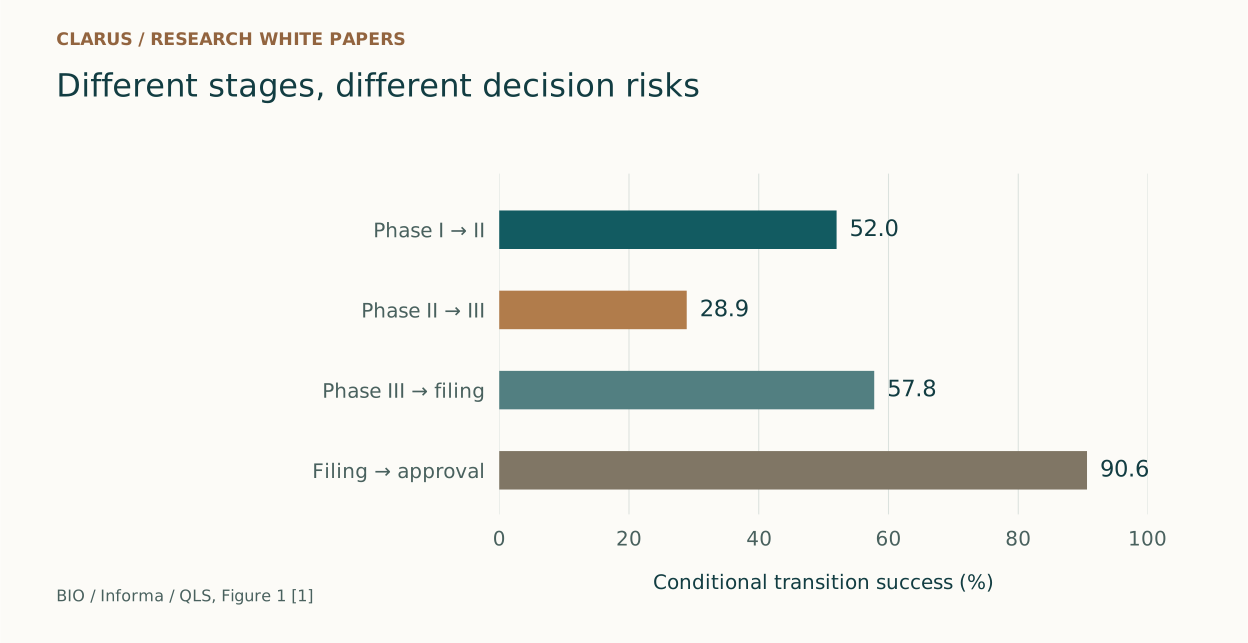
Historical transition rates help frame the challenge; the program’s evidence must determine the actual go, revise, or stop decision.