The cancer-vaccine option: finance the evidence before counting the payment
Merck–Moderna’s collaboration provides the timeline; a separate cash model tests option exercise, delay, settlement and the no-payment branch.
Cancer development programs examined through efficacy, safety, regulatory evidence and commercial outcomes.

Merck–Moderna’s collaboration provides the timeline; a separate cash model tests option exercise, delay, settlement and the no-payment branch.

A fictional day asks what earlier detection, personalized treatment, and connected care would need to deliver for a real person.
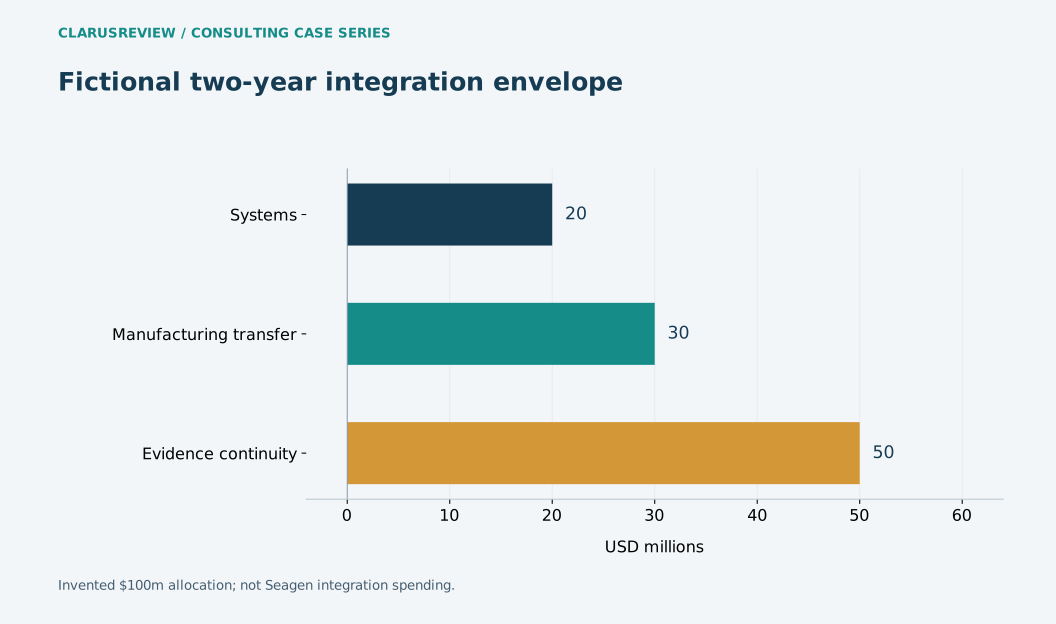
Pfizer–Seagen provides transaction context for a fictional buyer’s integration reserve and portfolio gates.
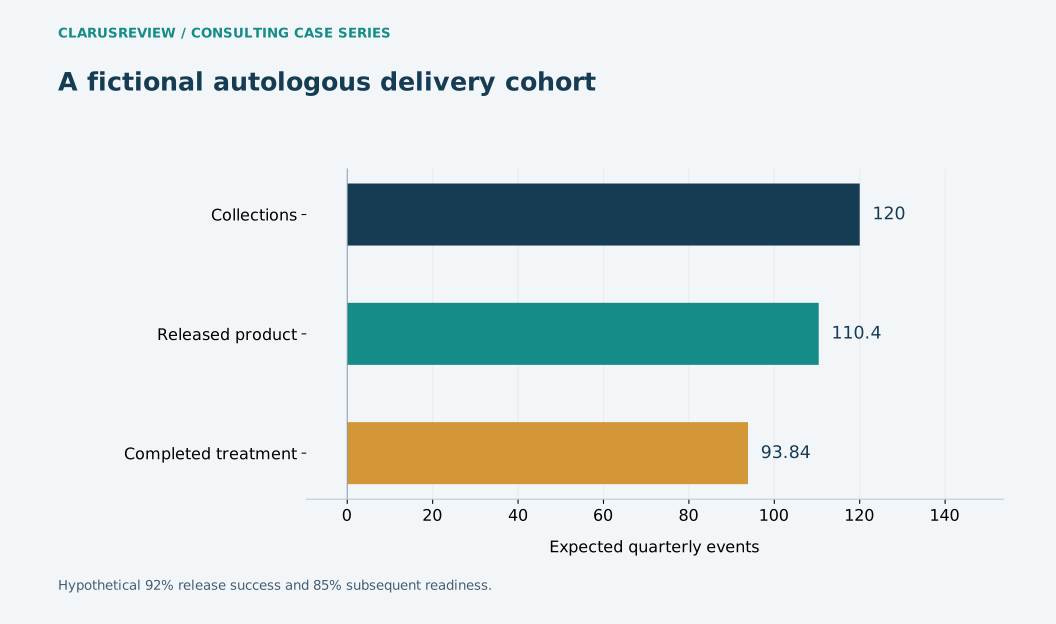
Kymriah and current cell-therapy commercialization frame manufacturing reliability, release timing and patient readiness.
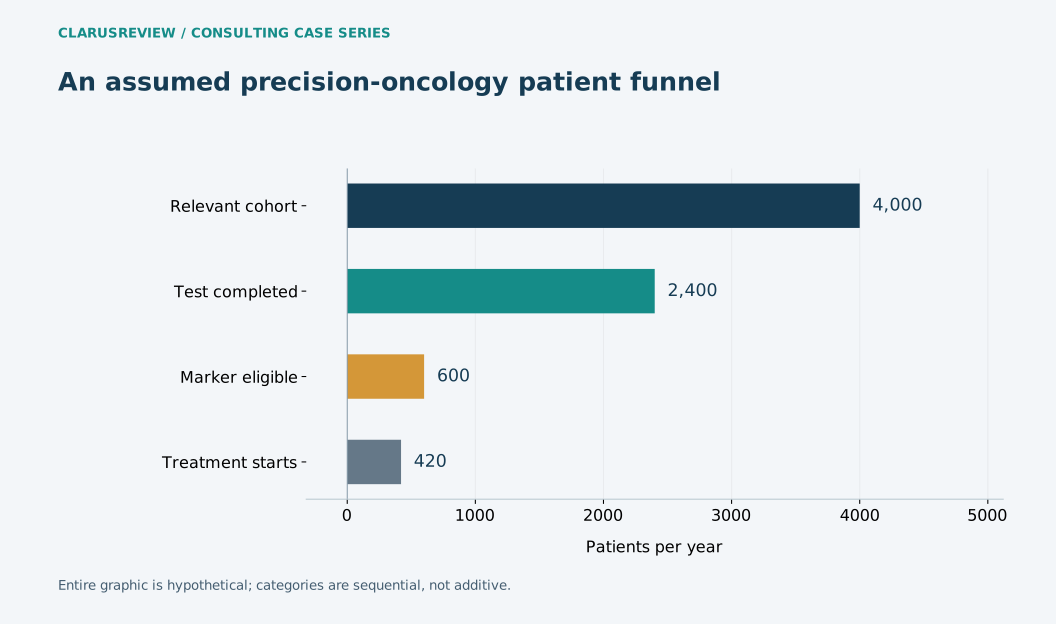
A drug–diagnostic operating model turns assay availability, testing attrition and turnaround into measurable launch dependencies.
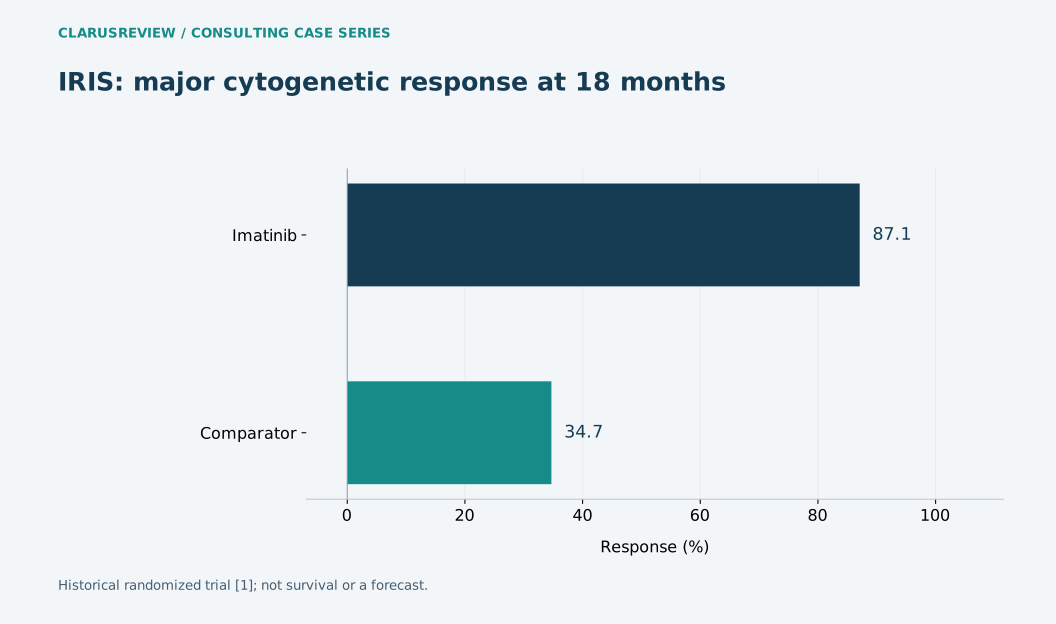
IRIS and a recent biomarker-led approval frame a hypothetical oncology program’s recruitment, assay and capital decisions.

A numerical framework for understanding why a milestone may change value—and why the calendar alone does not.

Turn a leadership directory into a dated, evidence-based partnering process with measurable progression.

A practical architecture for communicating clinical meaning, financing exposure and the work required for adoption.

Positive and negative trial examples show why endpoint choice, patient selection and execution costs must be assessed together.

Clinical endpoints, monitoring requirements and patient persistence belong in the same commercial plan.
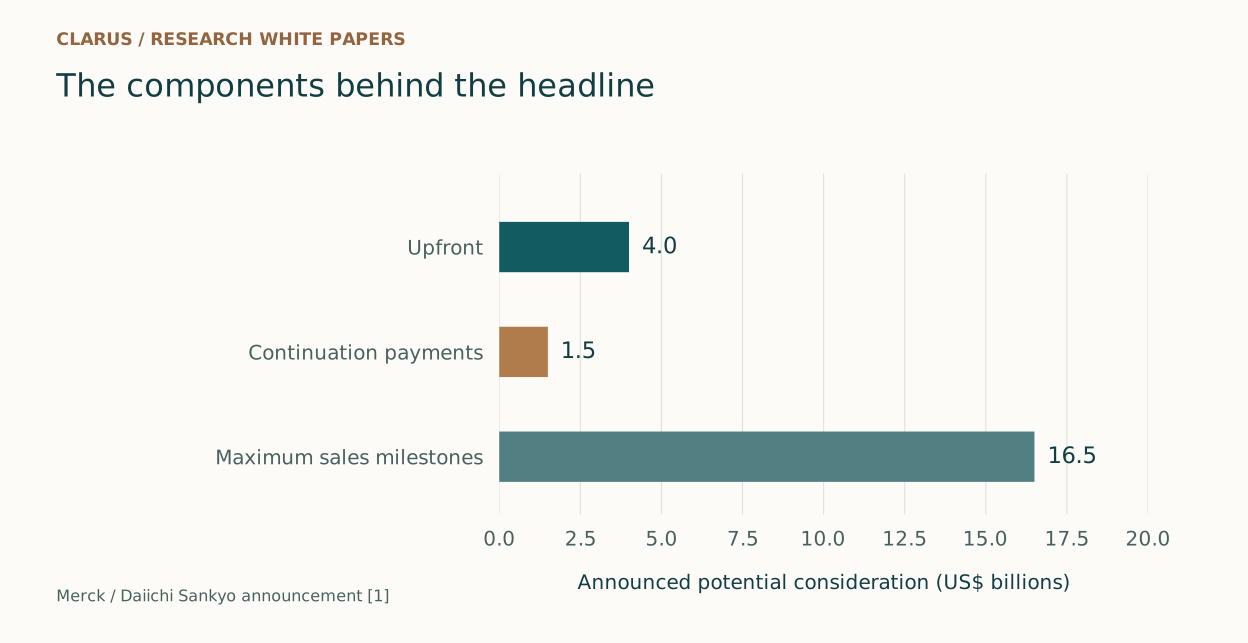
A large ADC collaboration illustrates why maximum announced consideration should be decomposed before it enters a value narrative.
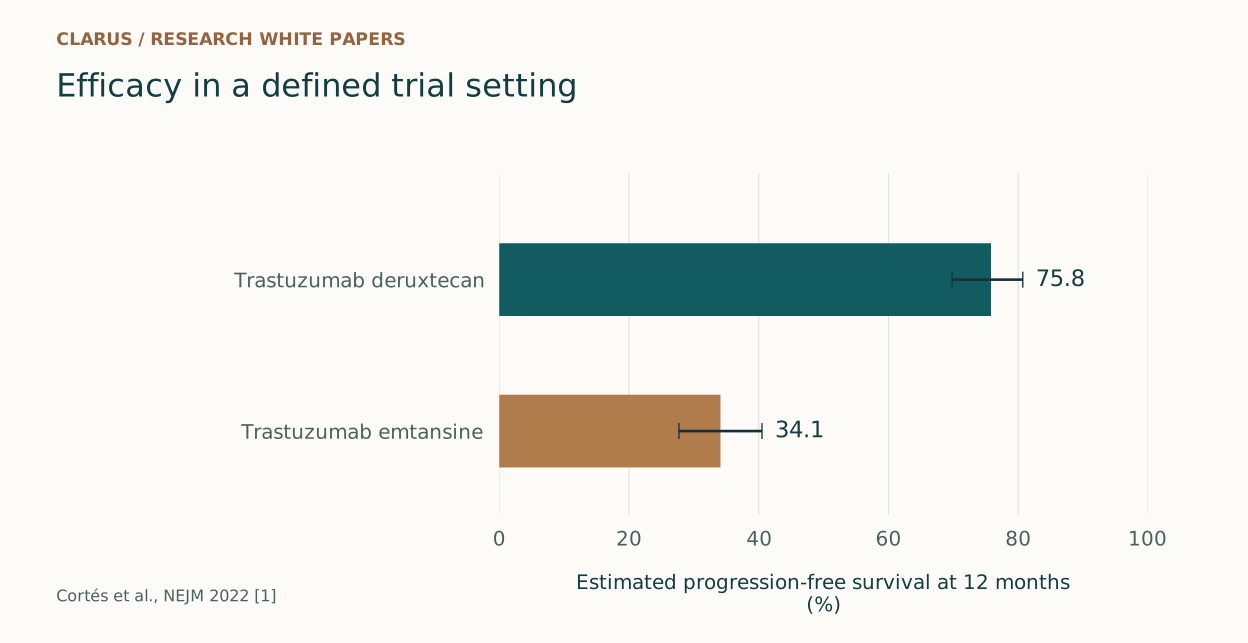
A randomized breast-cancer trial shows why efficacy and adverse-event context belong in the same product discussion.
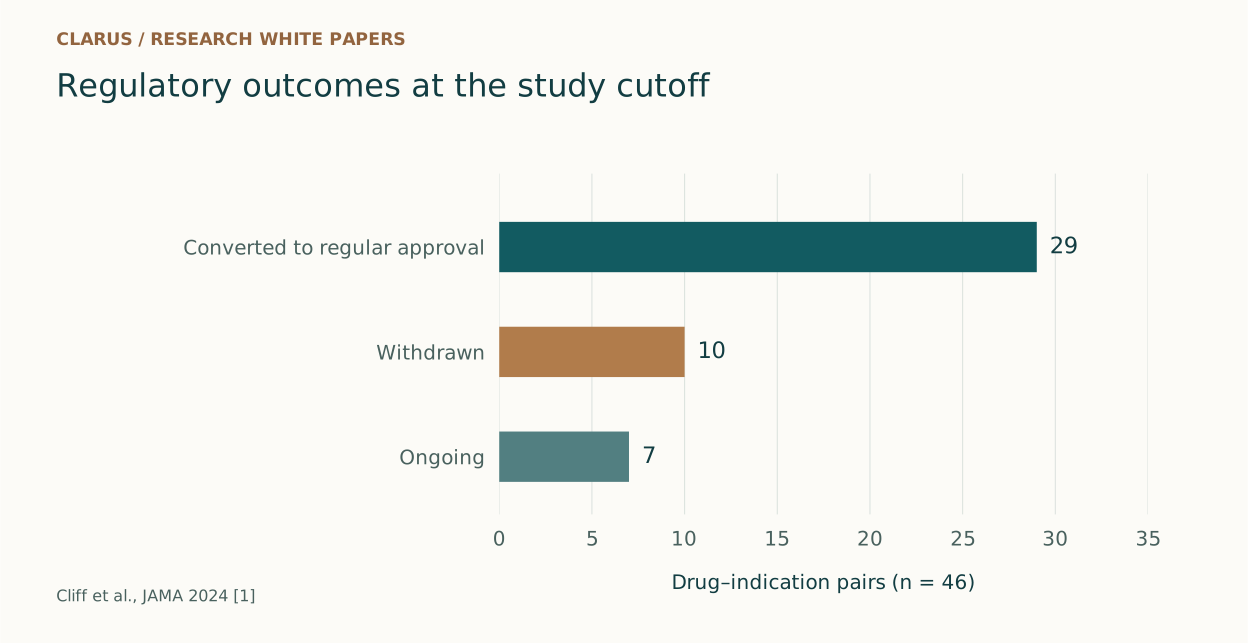
An oncology cohort shows why regulatory status and demonstrated patient benefit need separate tracking.

Dendreon’s 2010–2014 record separates clinical value, operating revenue, and financing resilience.

An EGFR-selected trial demonstrates why population definition belongs in the clinical and access model.

The 2014 record connects a diagnostic metric to false positives, follow-up, and completed care.