Inclisiran access: the referral queue behind an infrequent injection
A patient-pathway funnel, starter-dose capacity check and financial threshold show why convenient dosing still needs an operating system.
Formulation, routes of administration and practical constraints on therapeutic delivery.

A patient-pathway funnel, starter-dose capacity check and financial threshold show why convenient dosing still needs an operating system.

Vyxeos provides the clinical anchor; a separate yield and cash-cost model tests whether a manufacturing improvement deserves investment.

Follow the decisions between a promising result and completed care—and distinguish scientific failure from avoidable execution gaps.

A fictional day asks what earlier detection, personalized treatment, and connected care would need to deliver for a real person.
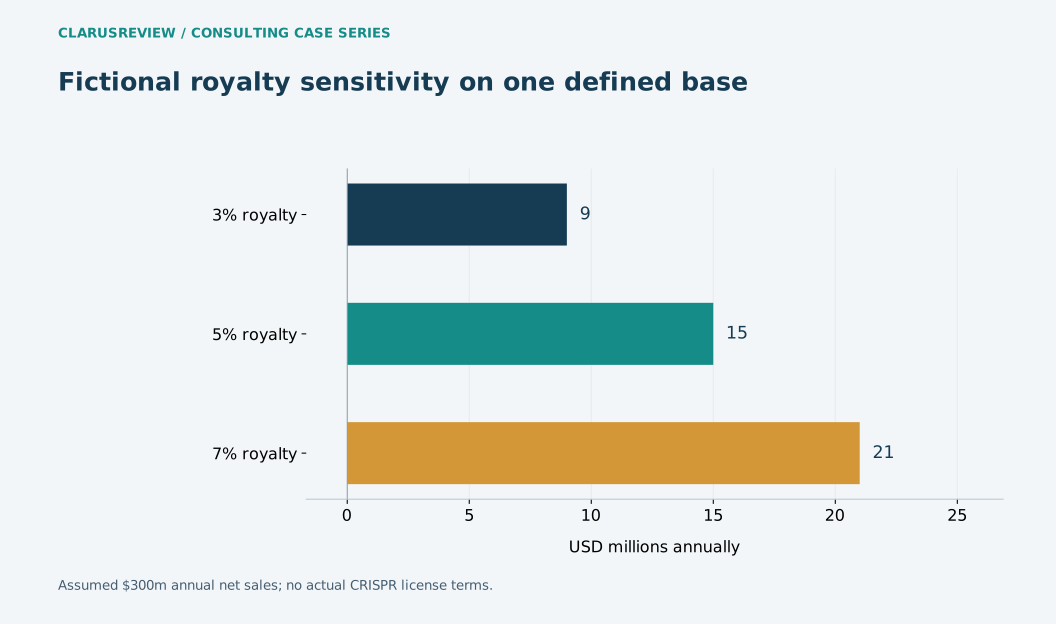
The CRISPR patent appeal frames a hypothetical rights map, licensing sensitivity and IP diligence gate.
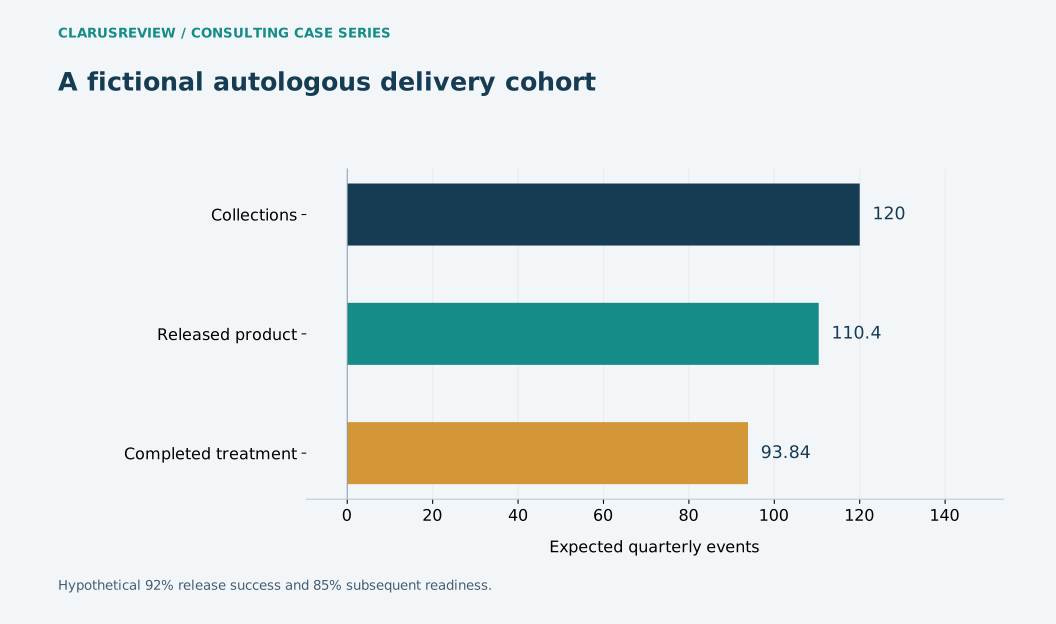
Kymriah and current cell-therapy commercialization frame manufacturing reliability, release timing and patient readiness.
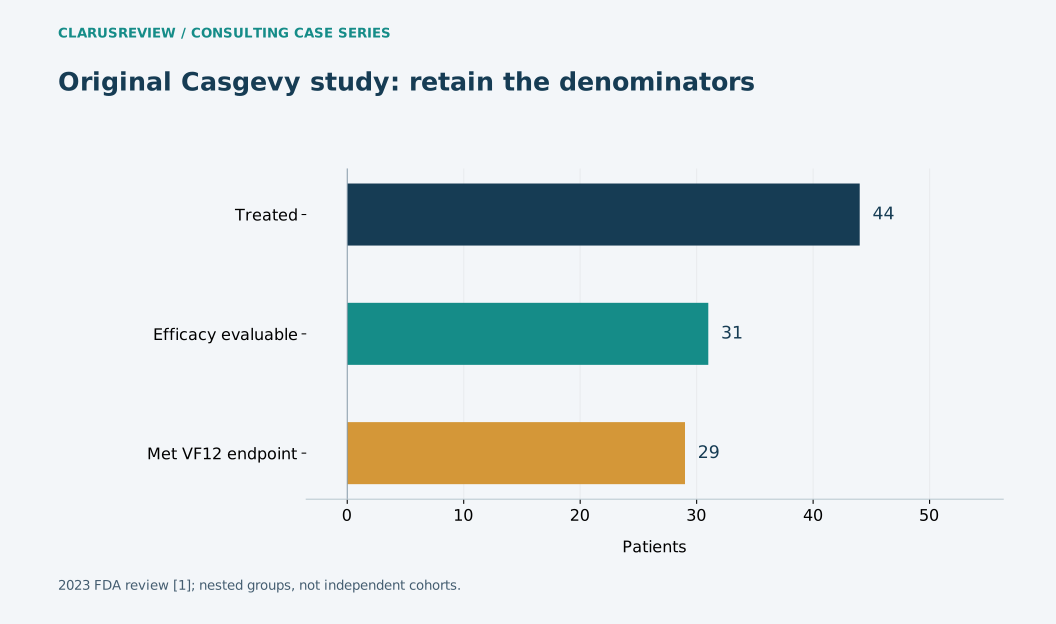
Original gene-editing evidence and 2026 launch revenue inform a hypothetical treatment-center capacity model.
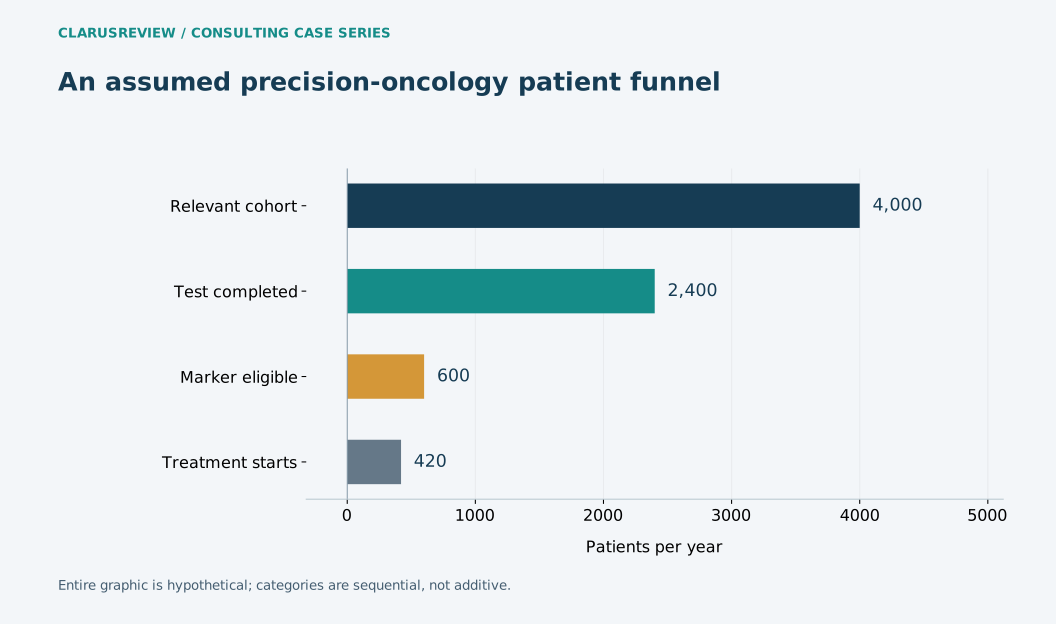
A drug–diagnostic operating model turns assay availability, testing attrition and turnaround into measurable launch dependencies.

Define the baseline, deliverables and economic perspective before attributing time or money saved to an intervention.

Coordinate clinical, regulatory and manufacturing decisions with clear ownership, acceptance criteria and measurable handoffs.

Historical financing events and a runway model clarify what a capital headline can—and cannot—tell a reader.

A practical architecture for communicating clinical meaning, financing exposure and the work required for adoption.

Sotatercept and OCEANIC-AF illustrate why a benefit claim must remain tied to its population, comparator and endpoint.

A MASH case shows why a biomarker result, an approval and a commercial forecast answer different questions.
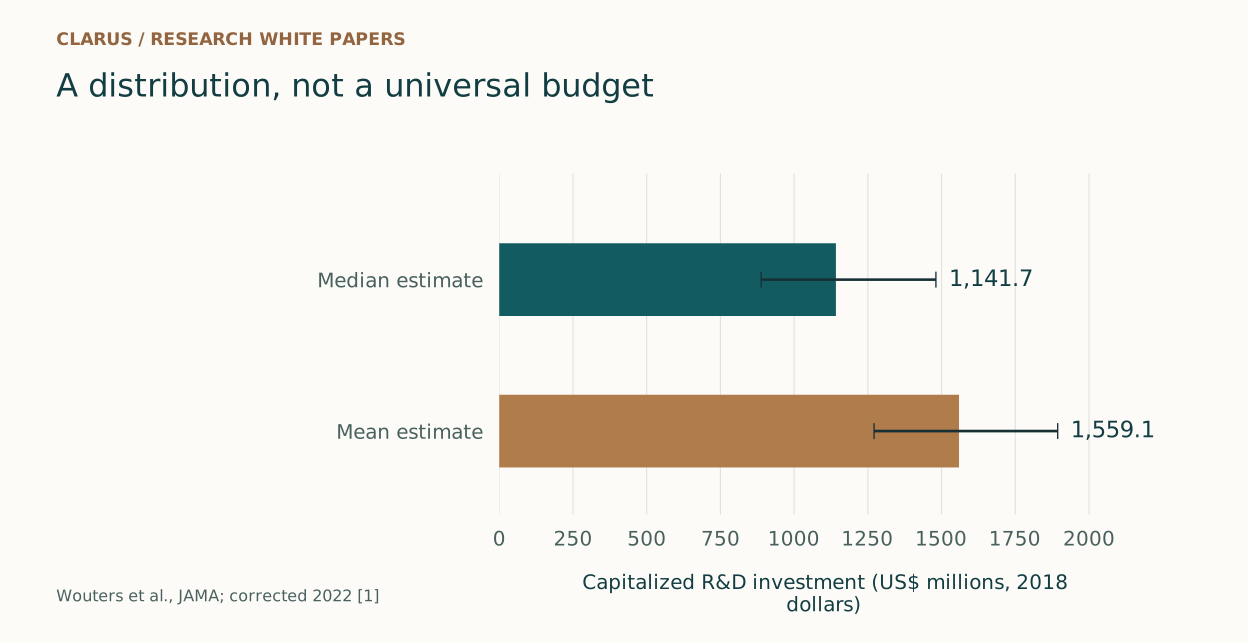
A corrected public cost study shows why a headline R&D estimate is a starting point for analysis, not a universal budget or price justification.
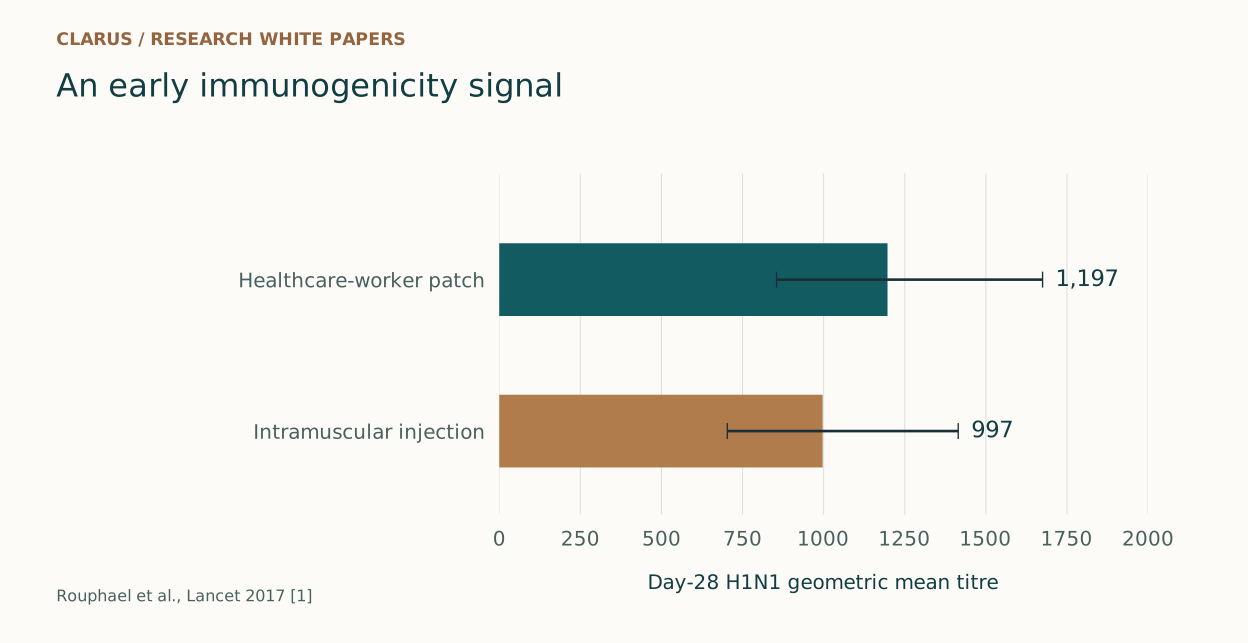
A small Phase I study provides a useful early signal and a clear boundary around what remains to be demonstrated.
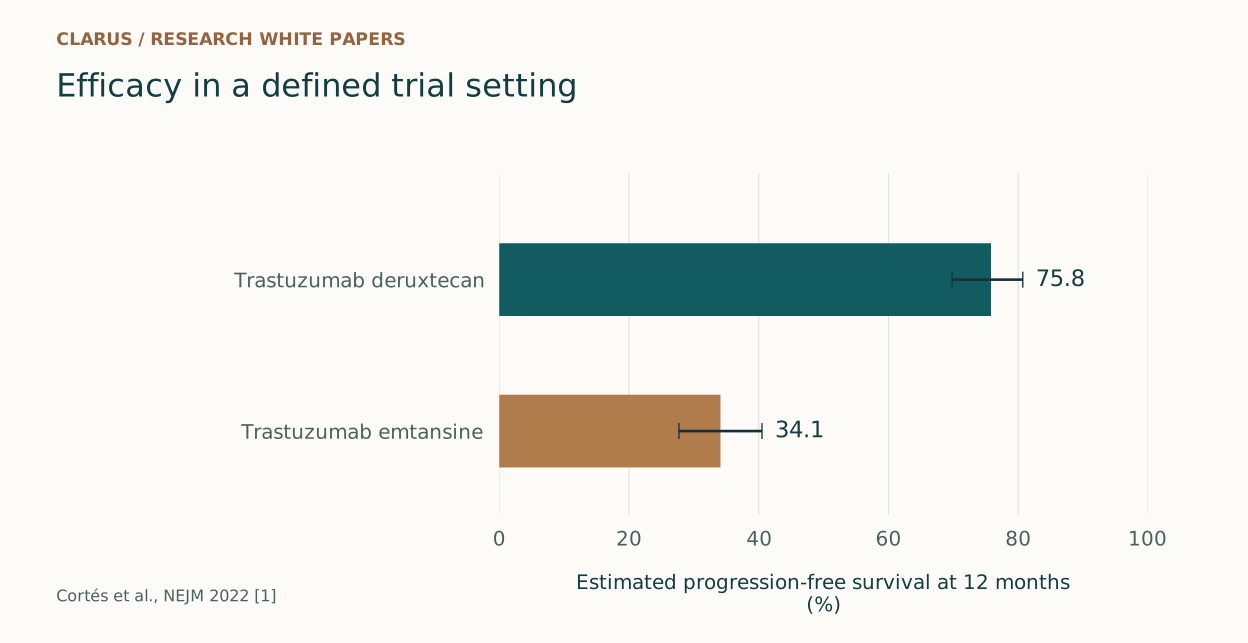
A randomized breast-cancer trial shows why efficacy and adverse-event context belong in the same product discussion.
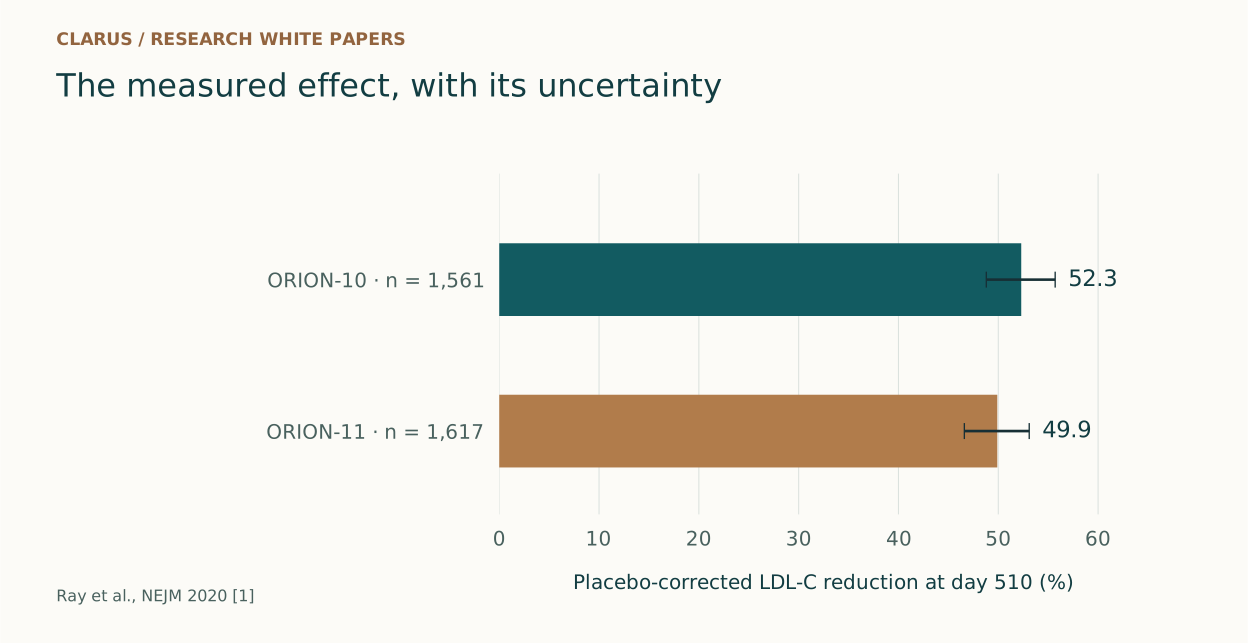
Two randomized trials illustrate how to communicate a strong biomarker result without extending it beyond the measured outcome.
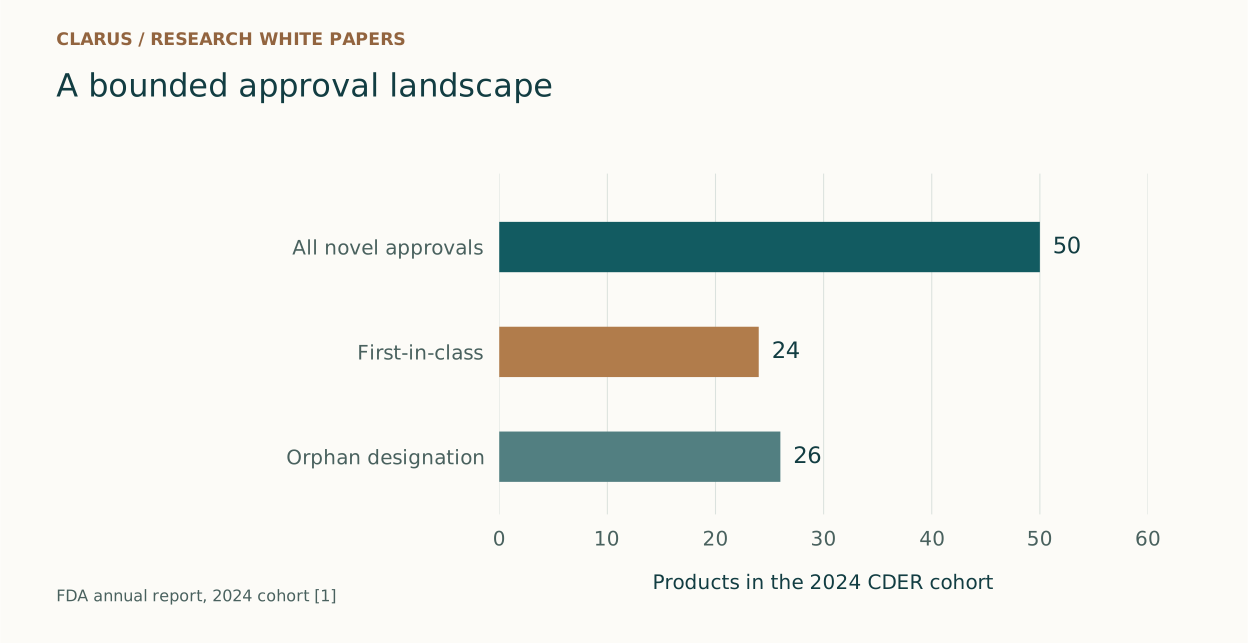
A defined FDA approval cohort can reveal the shape of innovation. It cannot rank clinical value or predict the next development program.

The 2016 hybrid system ties sensor, algorithm, pump, user tasks, and clinical evidence together.

HERALD and the 2021 rolling-review withdrawal illustrate a portfolio decision after an incomplete success.

A historical storage change shows why a process convenience needs product-specific supporting data.

The 2018 contraceptive-ring program separates duration, pregnancy outcomes, and real-world handling.

APOLLO joined a molecular mechanism to 18-month clinical measures in a defined hereditary disease.

Pfizer’s 2007 exit makes adoption testing and reversible deployment financially concrete.

The original 2014 authorization illustrates how a delivery route adds screening and monitoring dependencies.