Inclisiran access: the referral queue behind an infrequent injection
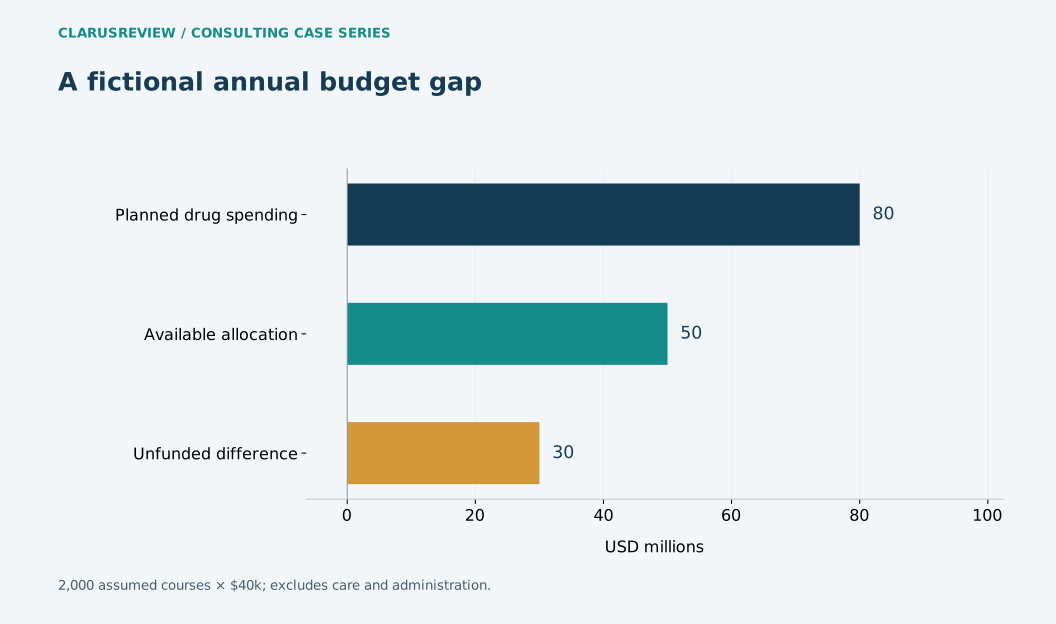
A patient-pathway funnel, starter-dose capacity check and financial threshold show why convenient dosing still needs an operating system.
Reimbursement, pricing, health-system adoption and the economics of reaching patients.

A patient-pathway funnel, starter-dose capacity check and financial threshold show why convenient dosing still needs an operating system.

Vyxeos provides the clinical anchor; a separate yield and cash-cost model tests whether a manufacturing improvement deserves investment.

A discovery becomes a medicine through thousands of repeatable decisions. Step inside the less visible world that turns a promising result into reliable supply.

A new antibiotic can be most valuable when it is used carefully. That creates a revealing challenge for how we fund discovery, protect effectiveness, and keep treatment available.

Follow the decisions between a promising result and completed care—and distinguish scientific failure from avoidable execution gaps.
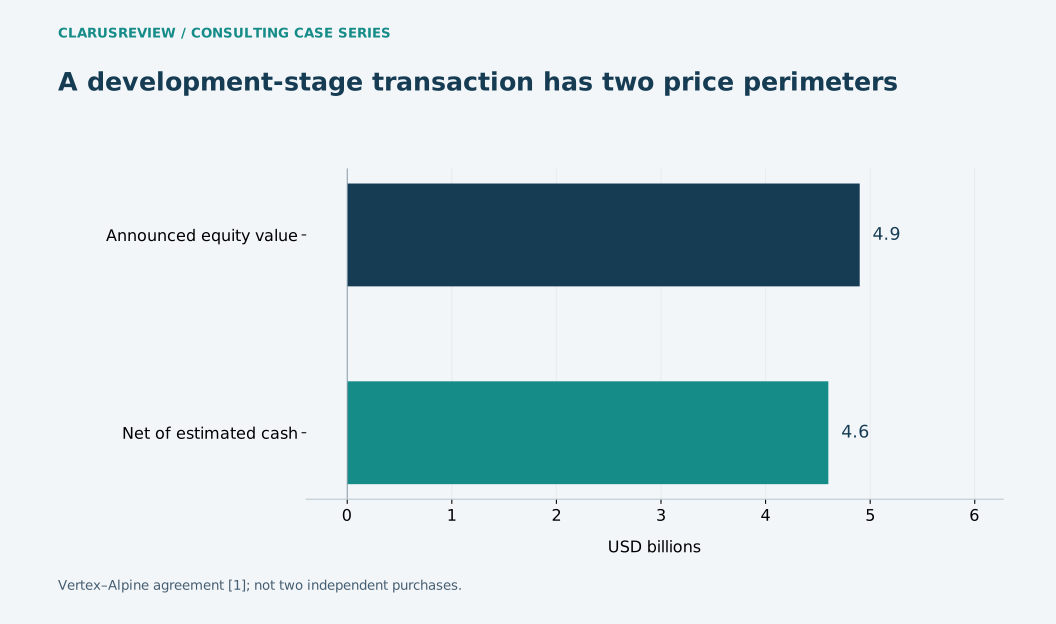
A development-stage acquisition and a company-reported upcoming review date frame a fictional option-value model.
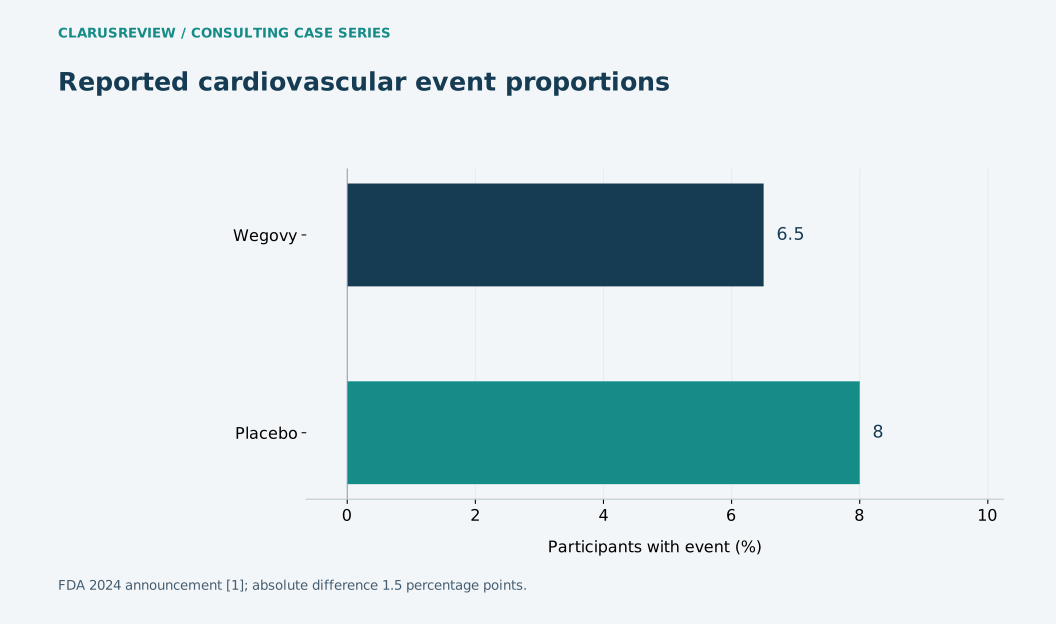
Wegovy’s outcomes result and Medicare’s next negotiation cycle frame evidence, budget and eligible-population planning.
Repatha’s historical reset and recent growth provide context for a fictional launch team’s break-even calculation.
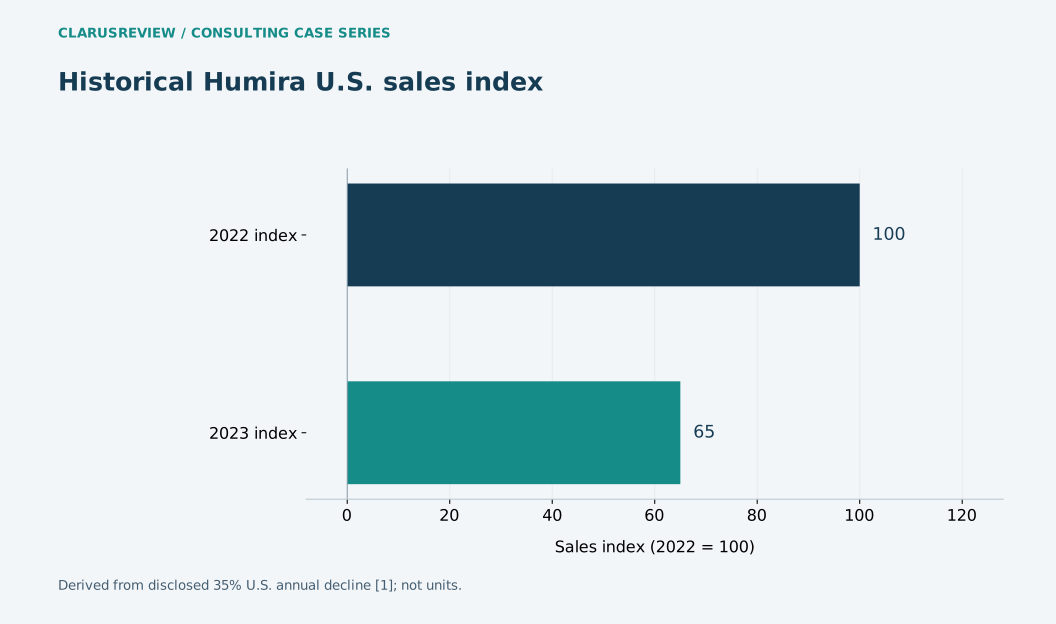
Historical U.S. erosion and 2026 global reporting inform a hypothetical biosimilar-response model.
Sovaldi and current Medicare pricing implementation frame an indication-specific budget-impact assignment.
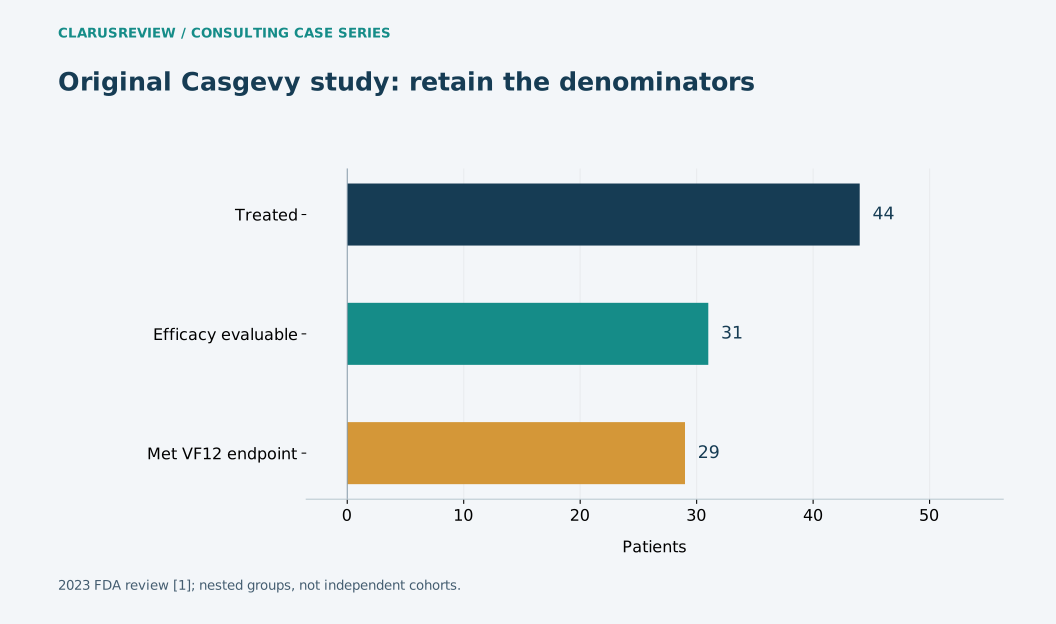
Original gene-editing evidence and 2026 launch revenue inform a hypothetical treatment-center capacity model.

Define the baseline, deliverables and economic perspective before attributing time or money saved to an intervention.

A numerical framework for understanding why a milestone may change value—and why the calendar alone does not.

Turn a leadership directory into a dated, evidence-based partnering process with measurable progression.

Historical financing events and a runway model clarify what a capital headline can—and cannot—tell a reader.

A practical architecture for communicating clinical meaning, financing exposure and the work required for adoption.

Sotatercept and OCEANIC-AF illustrate why a benefit claim must remain tied to its population, comparator and endpoint.

A MASH case shows why a biomarker result, an approval and a commercial forecast answer different questions.

Why a small, well-defined population still needs rigorous comparison, diagnostic execution and a clear financing plan.

Clinical endpoints, monitoring requirements and patient persistence belong in the same commercial plan.

A decision framework for separating clinical evidence, regulatory credibility and usable economic returns.
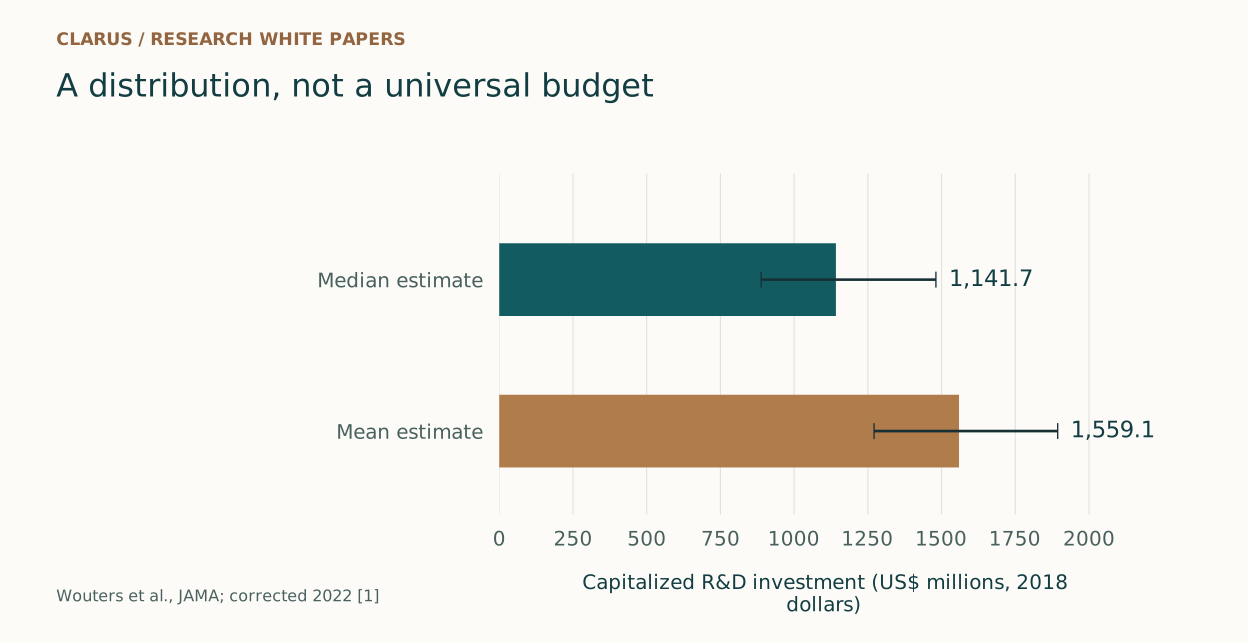
A corrected public cost study shows why a headline R&D estimate is a starting point for analysis, not a universal budget or price justification.

A record approval year offers an opportunity to examine the operational steps between regulatory entry and patient access.

The 2016 hybrid system ties sensor, algorithm, pump, user tasks, and clinical evidence together.

Dendreon’s 2010–2014 record separates clinical value, operating revenue, and financing resilience.

The 2018 contraceptive-ring program separates duration, pregnancy outcomes, and real-world handling.

The 2014 record connects a diagnostic metric to false positives, follow-up, and completed care.

Pfizer’s 2007 exit makes adoption testing and reversible deployment financially concrete.

The 2021–2024 sequence connects authorization, pricing, coverage, and the cost of stopping.

The original 2014 authorization illustrates how a delivery route adds screening and monitoring dependencies.

A 2020 trial shows why recovery time, mortality, and hospital economics require separate interpretations.