A safety action can reset the addressable population overnight
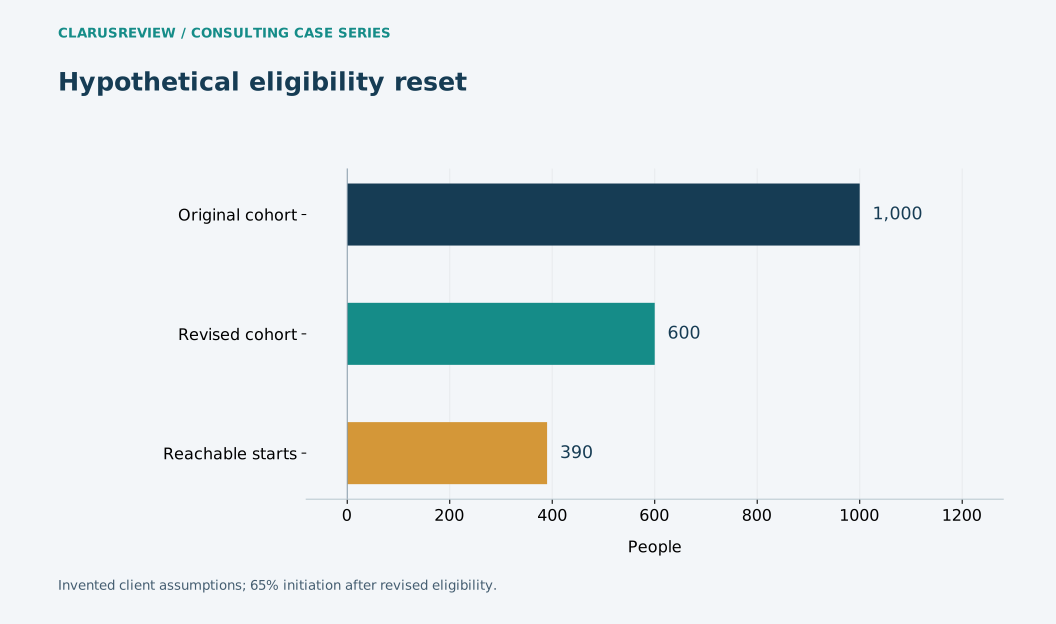
The Elevidys safety revision informs a hypothetical surveillance budget and an eligibility-sensitive operating plan.
Explore 37 published case studies, from documented industry lessons to hypothetical consulting decisions with quantified scenarios.
Historical case studies examine real events. Hypothetical consulting cases clearly distinguish reported evidence from invented client assumptions.
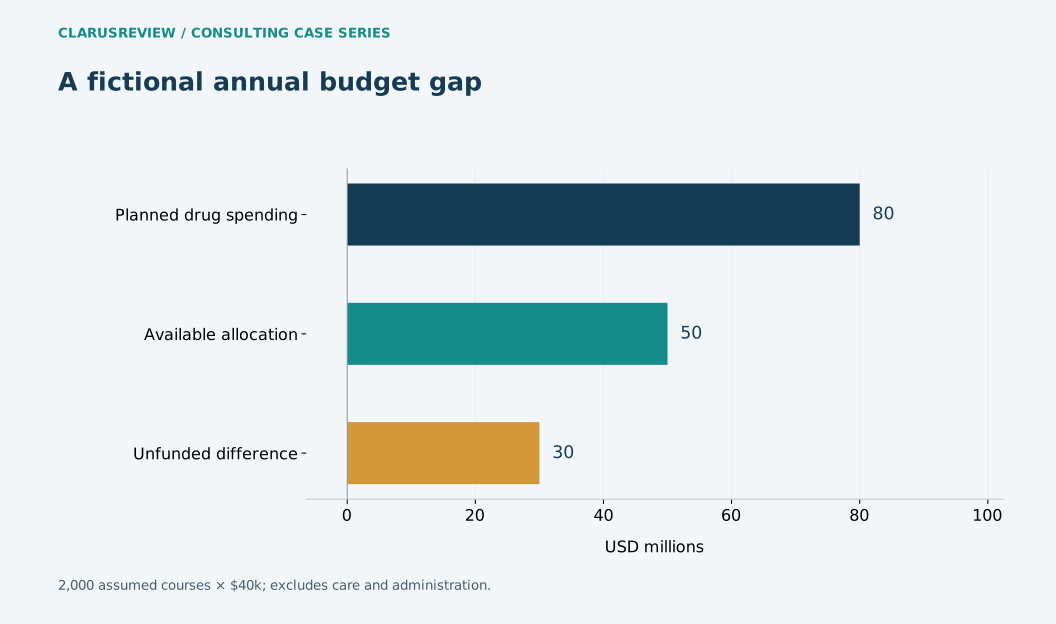
The Elevidys safety revision informs a hypothetical surveillance budget and an eligibility-sensitive operating plan.
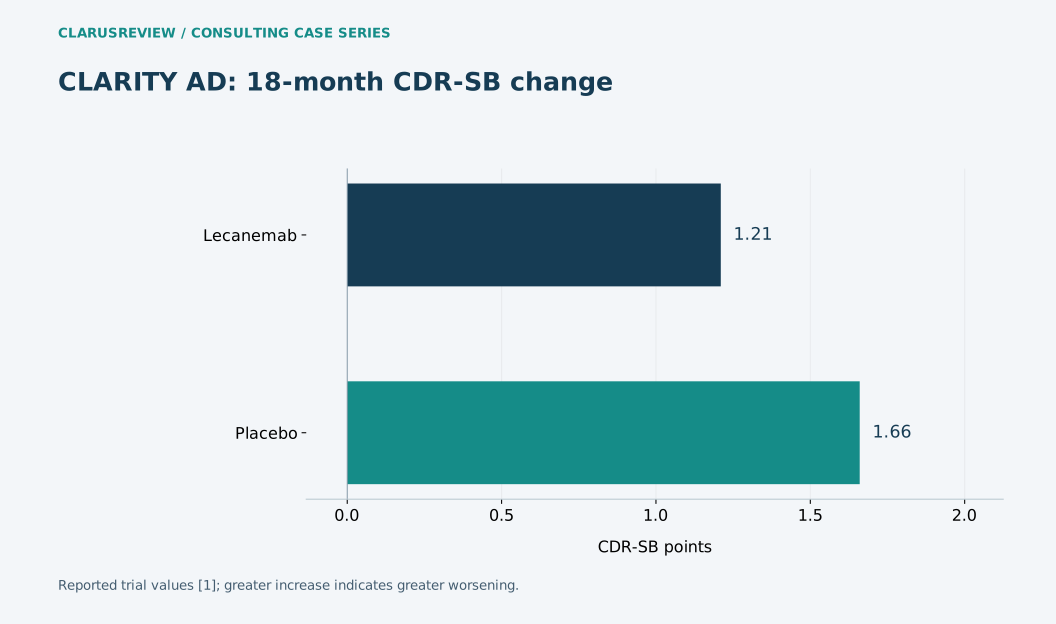
Leqembi’s randomized evidence and AMT-130’s September update frame a client’s sensitivity analysis and evidence reserve.
A September 2026 ADC filing withdrawal becomes a hypothetical evidence-gap, delay and cash-runway assignment.
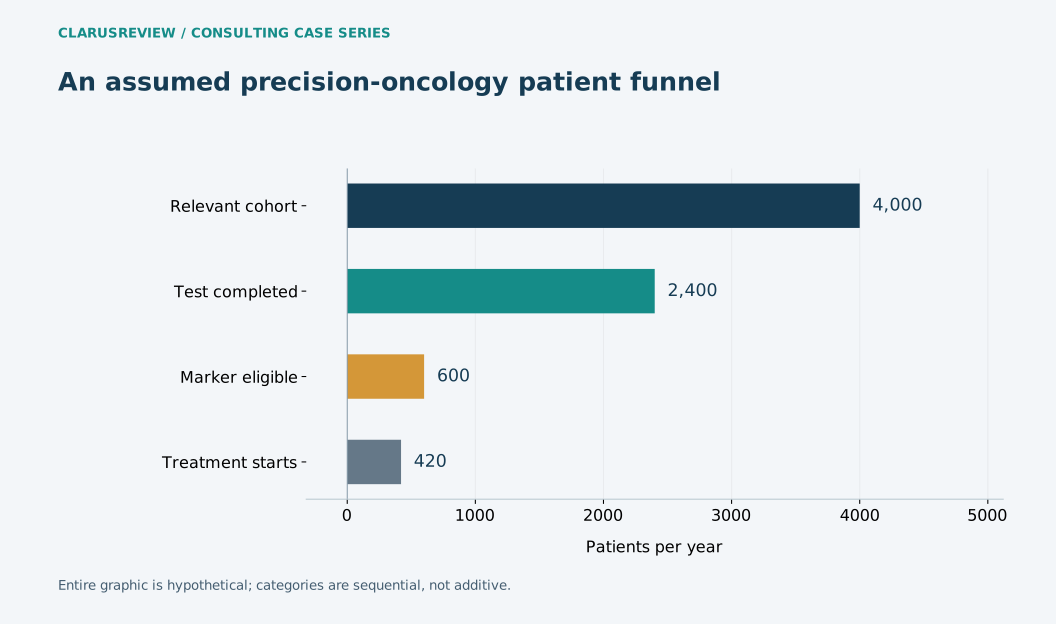
A drug–diagnostic operating model turns assay availability, testing attrition and turnaround into measurable launch dependencies.
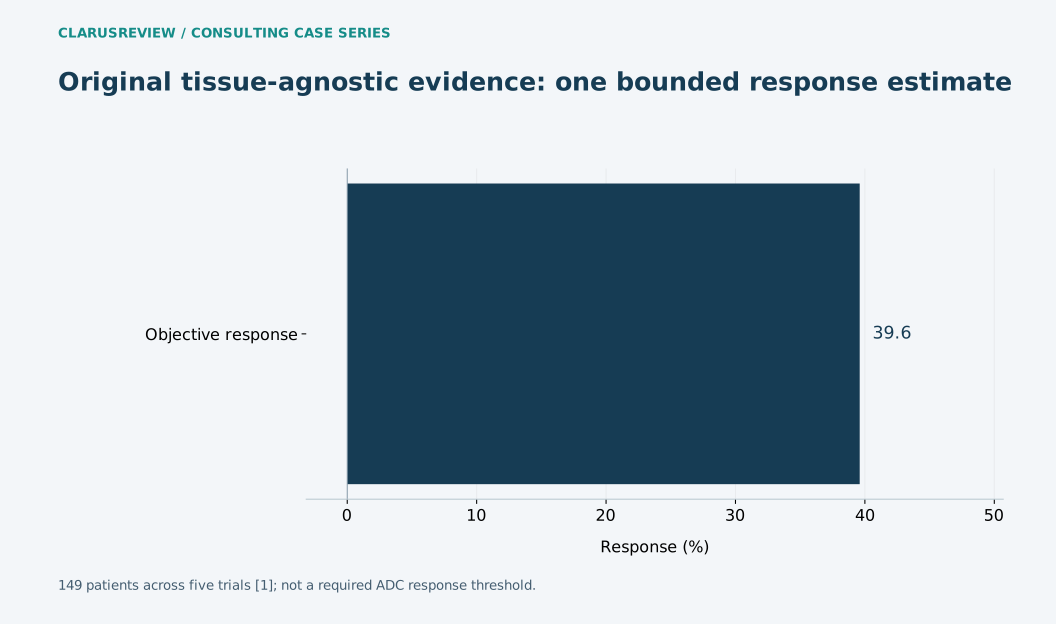
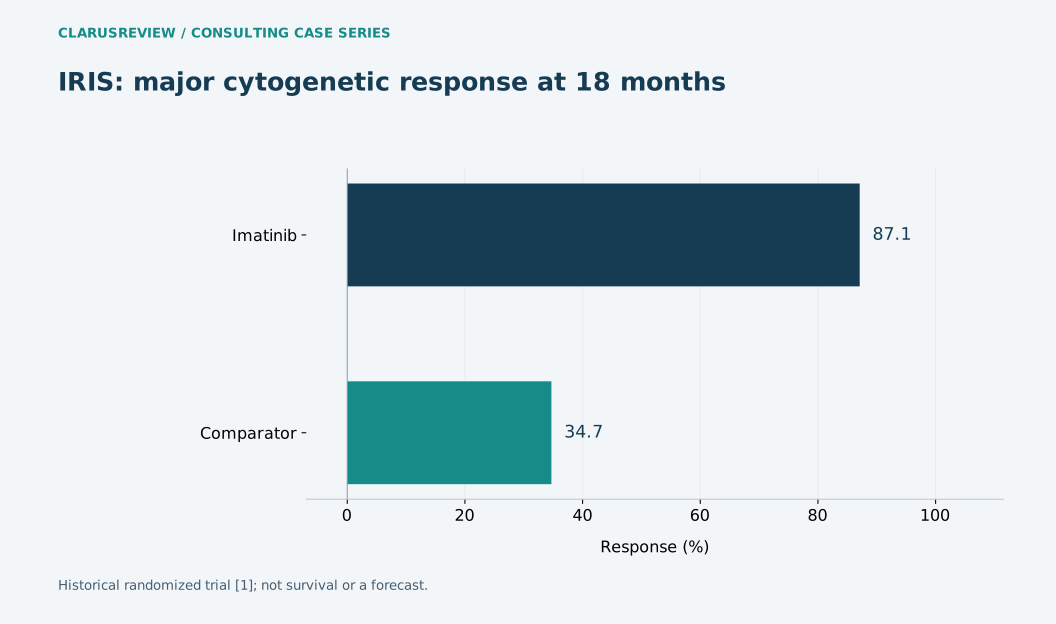
IRIS and a recent biomarker-led approval frame a hypothetical oncology program’s recruitment, assay and capital decisions.

The 2006 first-in-human event makes safety accountability an operating requirement.

An EGFR-selected trial demonstrates why population definition belongs in the clinical and access model.

APOLLO joined a molecular mechanism to 18-month clinical measures in a defined hereditary disease.

A 2020 trial shows why recovery time, mortality, and hospital economics require separate interpretations.
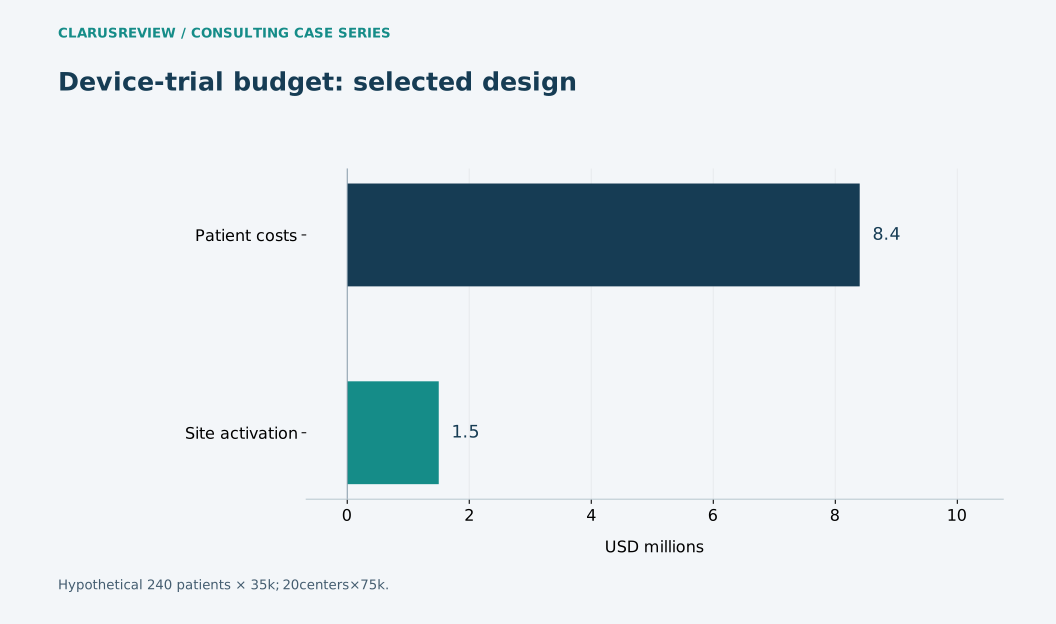
SYMPLICITY HTN-3 frames a hypothetical device trial budget, site plan and milestone gate.
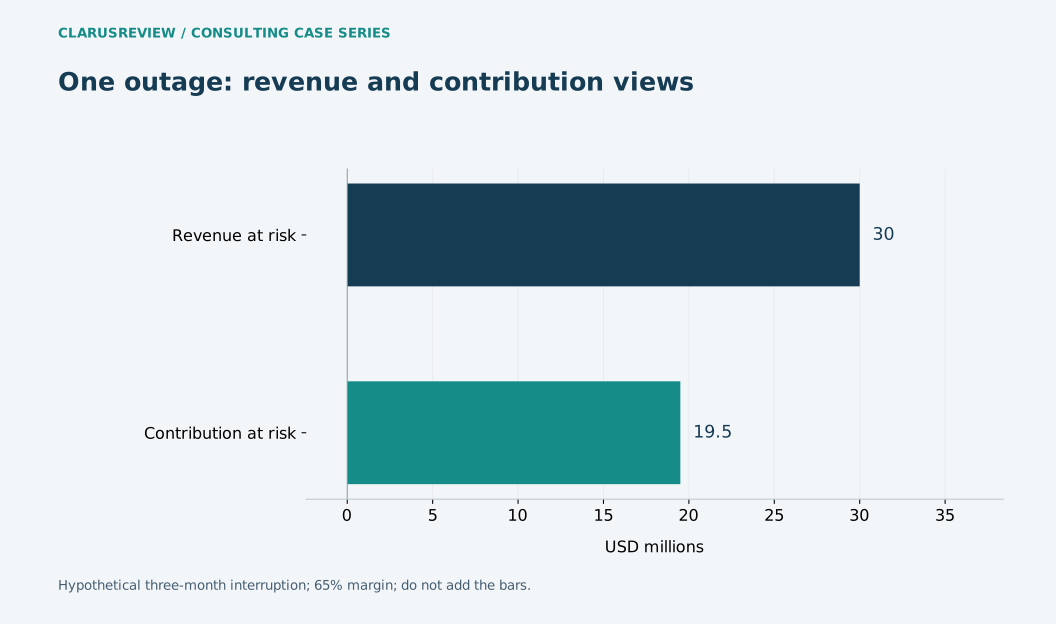
Genzyme’s remediation history anchors a hypothetical outage-exposure and backup-capacity decision.
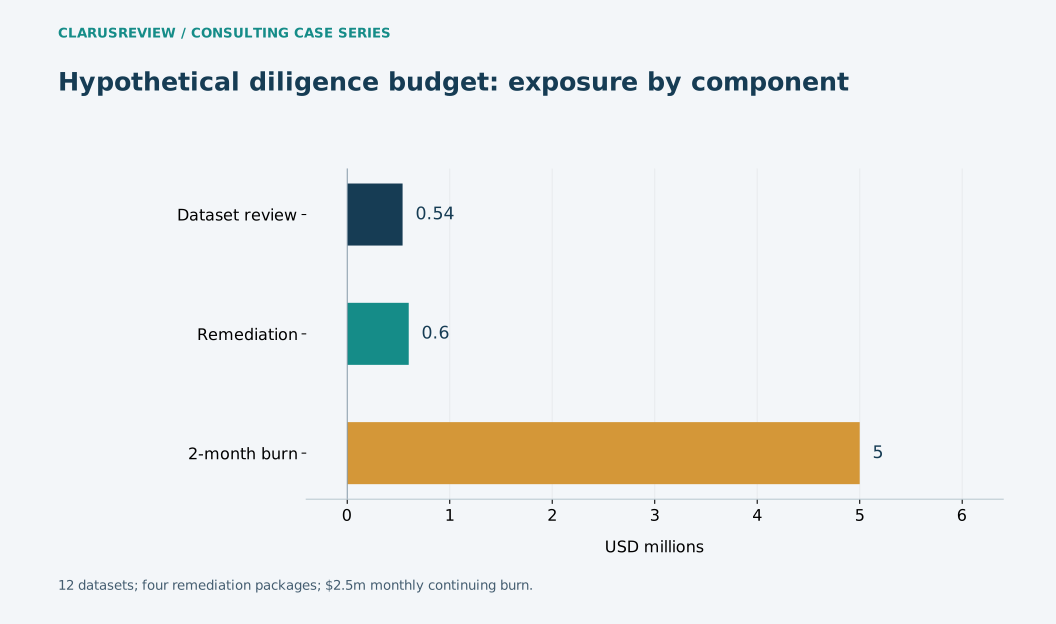
A historical gene-therapy data issue informs a hypothetical audit, remediation and transaction-delay model.
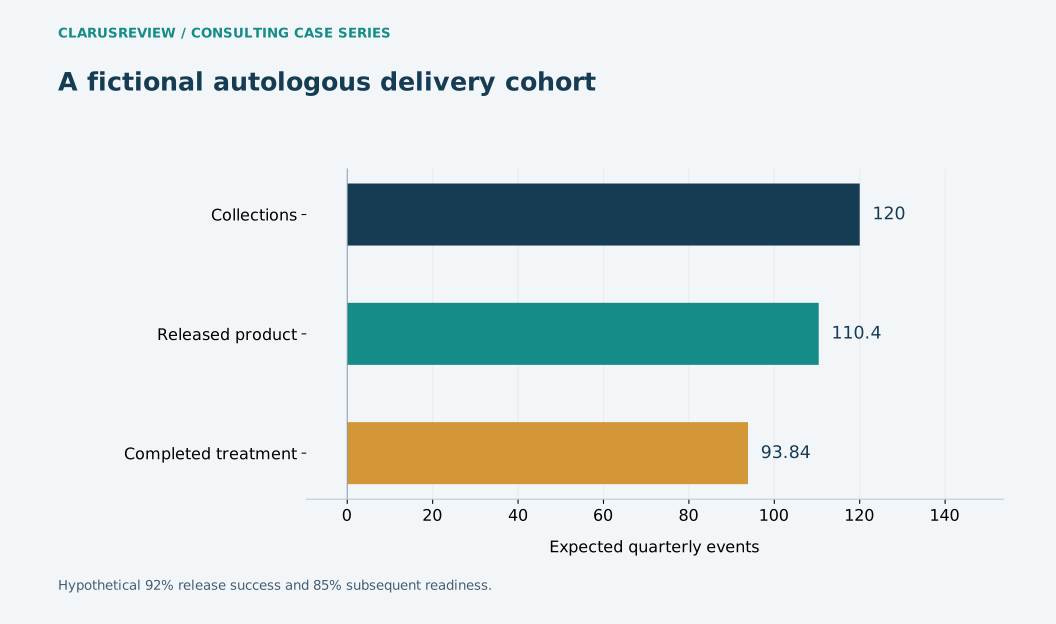
Kymriah and current cell-therapy commercialization frame manufacturing reliability, release timing and patient readiness.
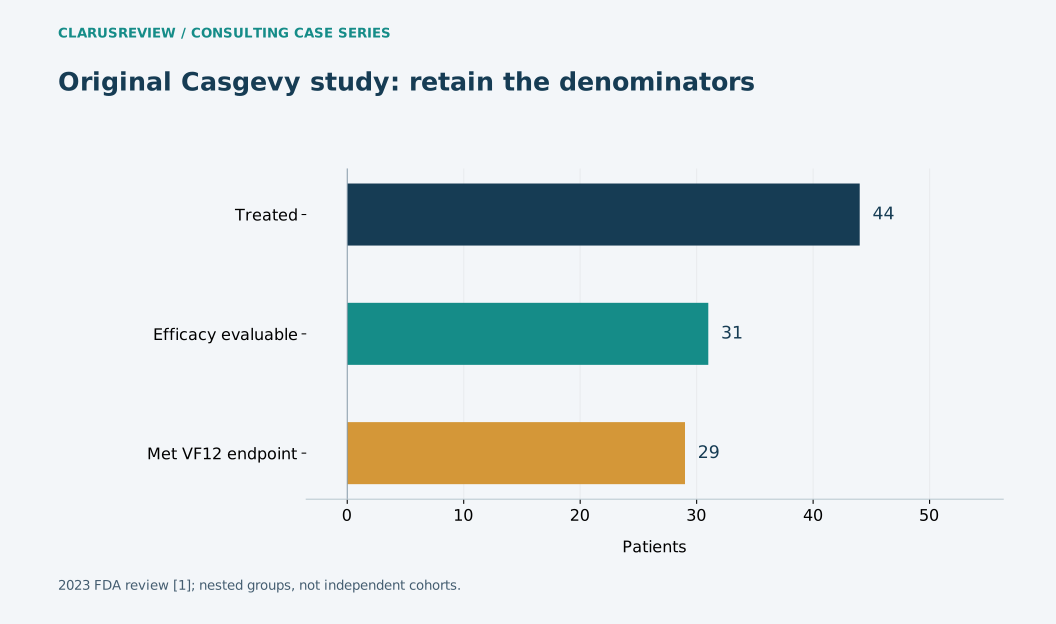
Original gene-editing evidence and 2026 launch revenue inform a hypothetical treatment-center capacity model.

The NIH titration-screening example shows why a richer experiment can matter more than a throughput ranking.

A historical storage change shows why a process convenience needs product-specific supporting data.

The 2018 contraceptive-ring program separates duration, pregnancy outcomes, and real-world handling.

The original 2014 authorization illustrates how a delivery route adds screening and monitoring dependencies.
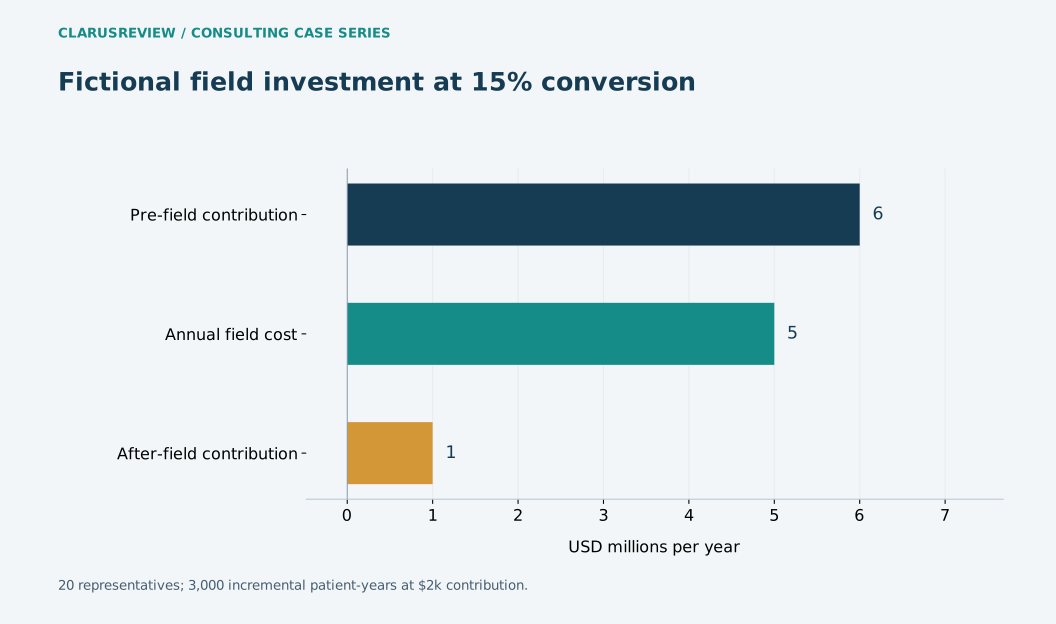
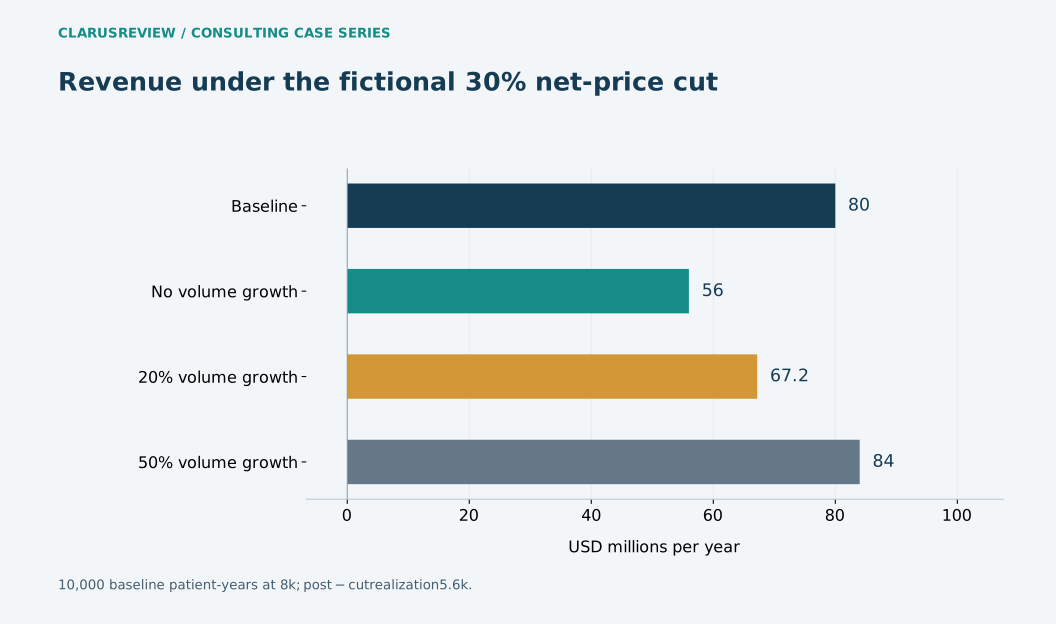
Recent generic-pressure reporting anchors a fictional sales-force redeployment and productivity model.
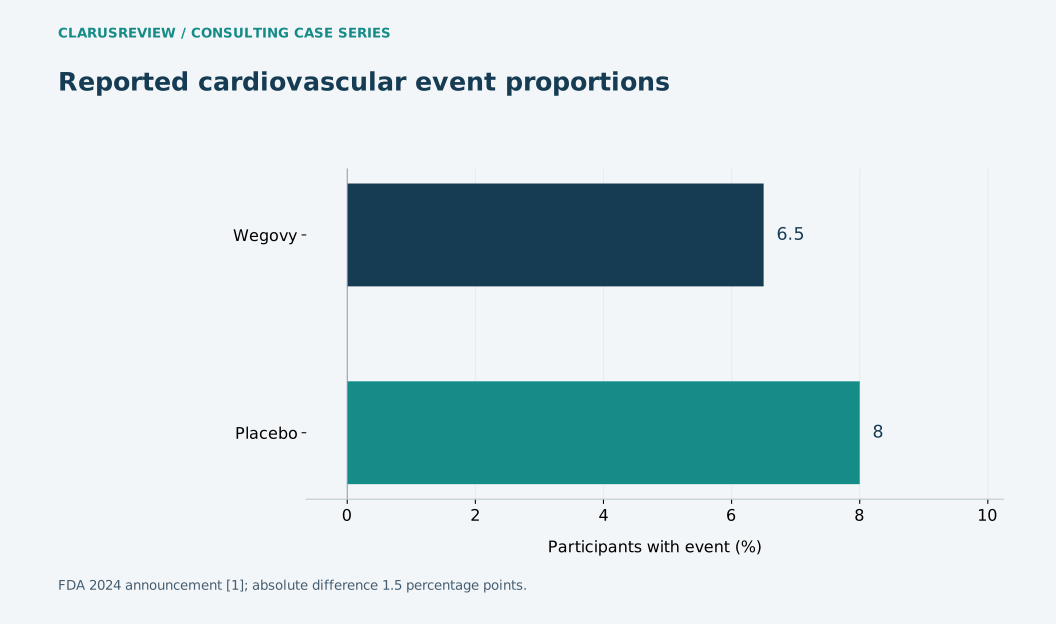
Wegovy’s outcomes result and Medicare’s next negotiation cycle frame evidence, budget and eligible-population planning.
Repatha’s historical reset and recent growth provide context for a fictional launch team’s break-even calculation.
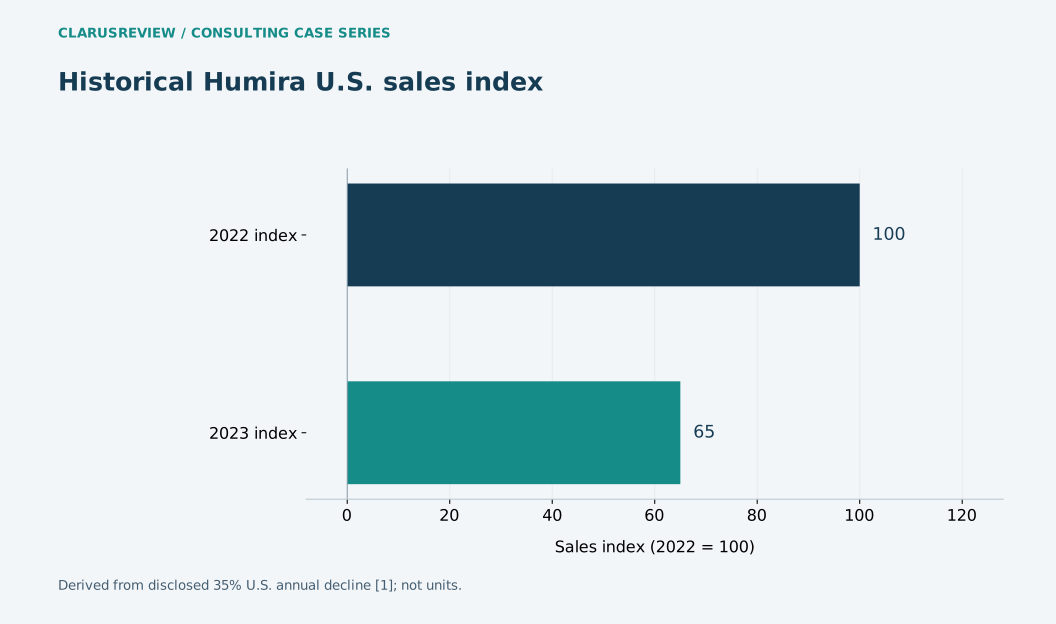
Historical U.S. erosion and 2026 global reporting inform a hypothetical biosimilar-response model.
Sovaldi and current Medicare pricing implementation frame an indication-specific budget-impact assignment.

The 2023 decision puts a measurable boundary around a broad molecular-platform narrative.

Dendreon’s 2010–2014 record separates clinical value, operating revenue, and financing resilience.

The CMS access model makes outcome contracting, treatment logistics, and follow-up separate milestones.
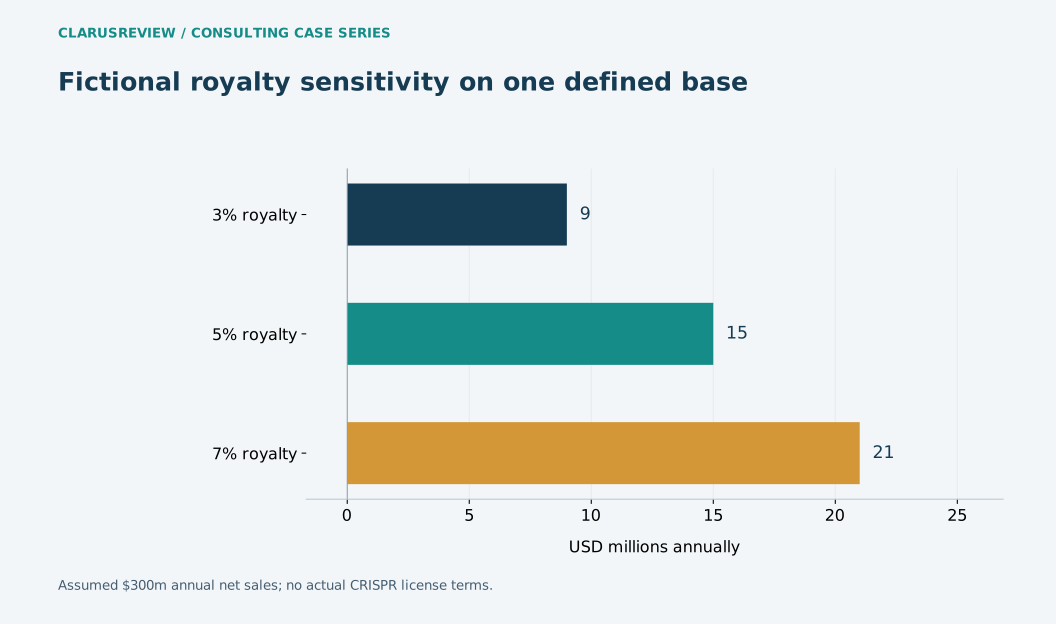
The CRISPR patent appeal frames a hypothetical rights map, licensing sensitivity and IP diligence gate.
A development-stage acquisition and a company-reported upcoming review date frame a fictional option-value model.
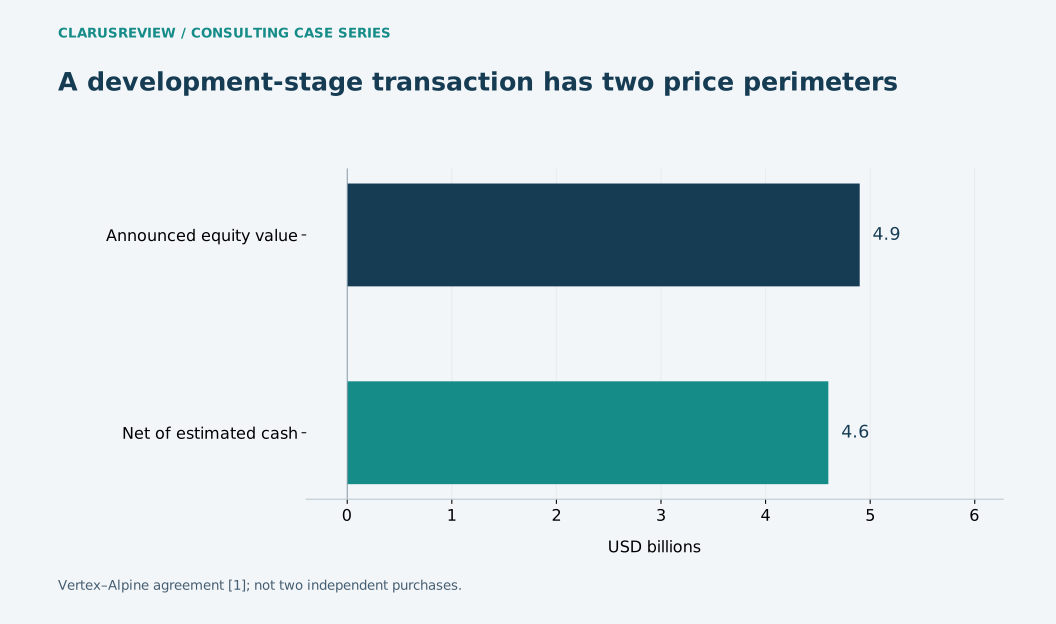
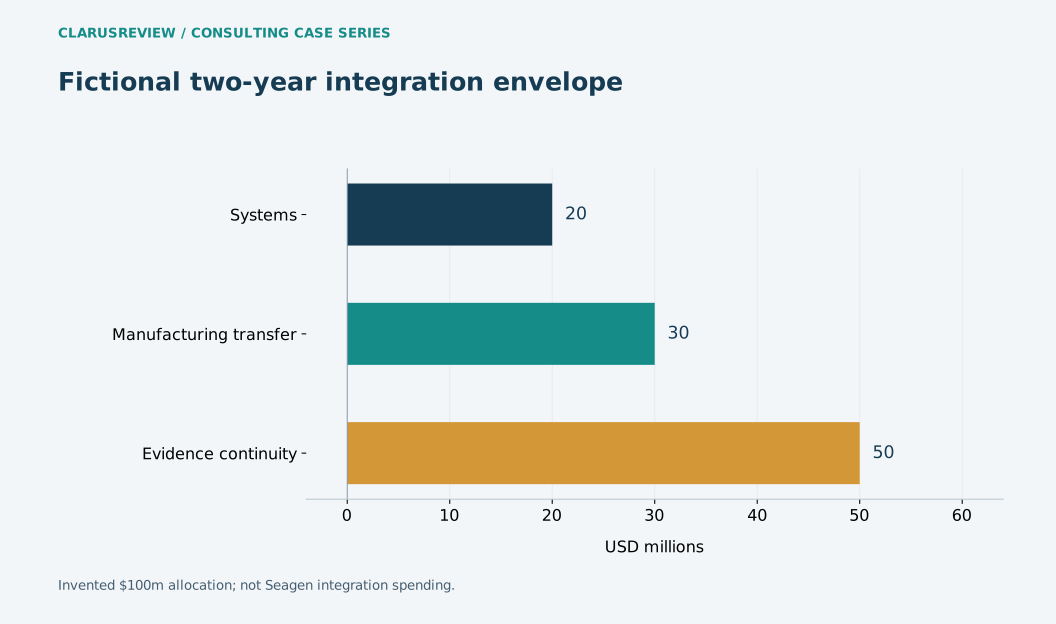
Pfizer–Seagen provides transaction context for a fictional buyer’s integration reserve and portfolio gates.
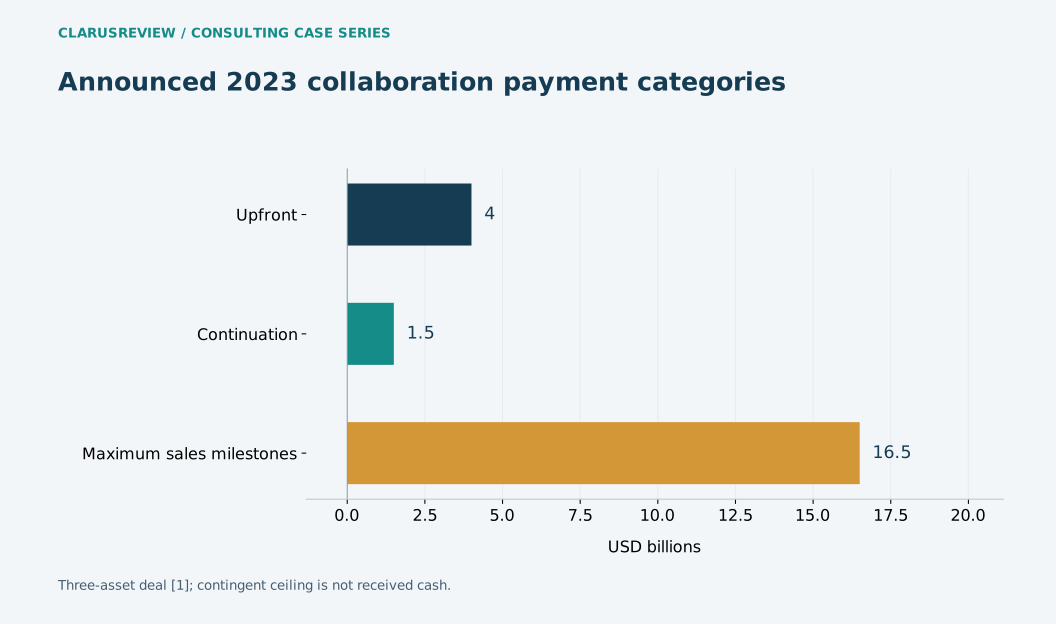
A major ADC collaboration and a recent filing setback frame staged licensing, dilution and evidence-linked funding.
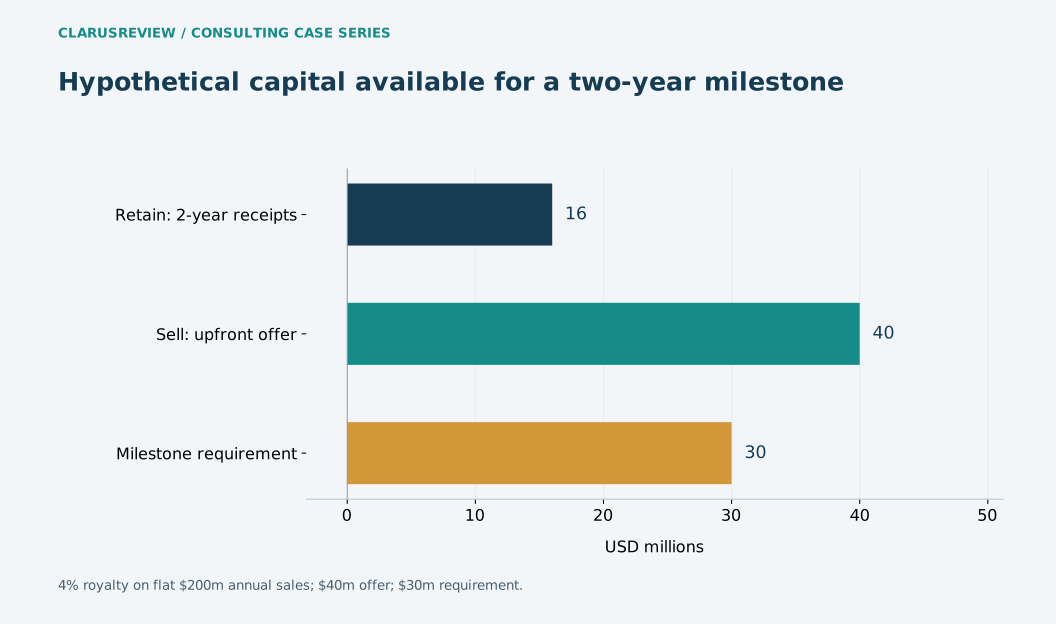
Cystic Fibrosis Foundation venture philanthropy frames a hypothetical royalty-retention and monetization decision.

The 2016 hybrid system ties sensor, algorithm, pump, user tasks, and clinical evidence together.

HERALD and the 2021 rolling-review withdrawal illustrate a portfolio decision after an incomplete success.

The 2014 record connects a diagnostic metric to false positives, follow-up, and completed care.

Pfizer’s 2007 exit makes adoption testing and reversible deployment financially concrete.

The 2021–2024 sequence connects authorization, pricing, coverage, and the cost of stopping.

The original G551D program shows how a focused evidence package can make a decision consequential.