The cancer-vaccine option: finance the evidence before counting the payment
Merck–Moderna’s collaboration provides the timeline; a separate cash model tests option exercise, delay, settlement and the no-payment branch.
Scale, quality, process control and the operational economics of producing medicines.

Merck–Moderna’s collaboration provides the timeline; a separate cash model tests option exercise, delay, settlement and the no-payment branch.

Vyxeos provides the clinical anchor; a separate yield and cash-cost model tests whether a manufacturing improvement deserves investment.

FDA’s 2026 terminology change, a historical liver-chip benchmark and a transparent error-cost model show what a validation investment must establish.

A discovery becomes a medicine through thousands of repeatable decisions. Step inside the less visible world that turns a promising result into reliable supply.

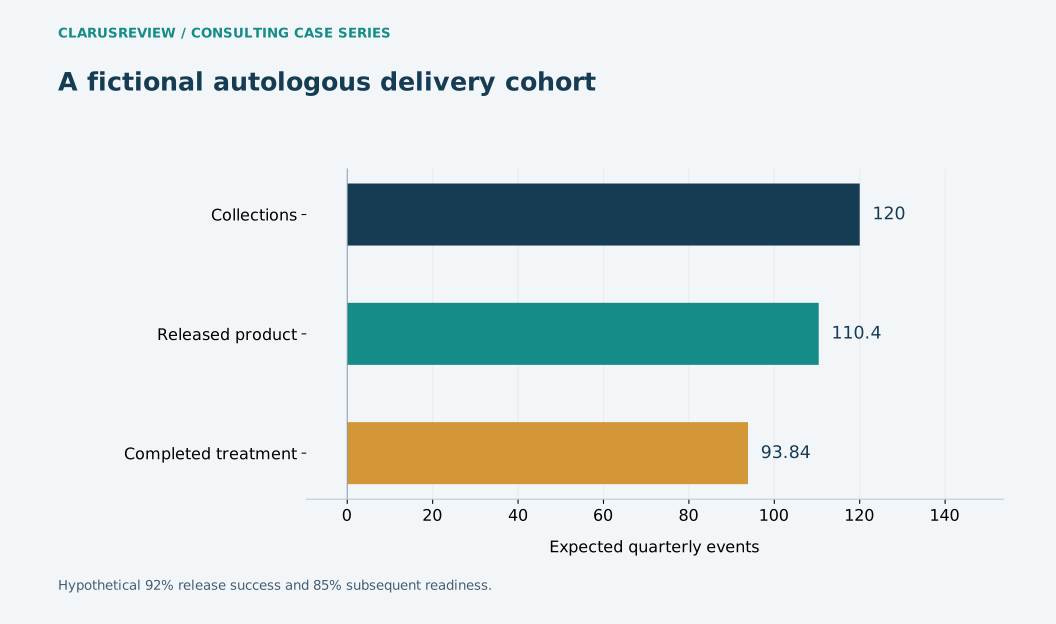
Follow the decisions between a promising result and completed care—and distinguish scientific failure from avoidable execution gaps.

A fictional day asks what earlier detection, personalized treatment, and connected care would need to deliver for a real person.
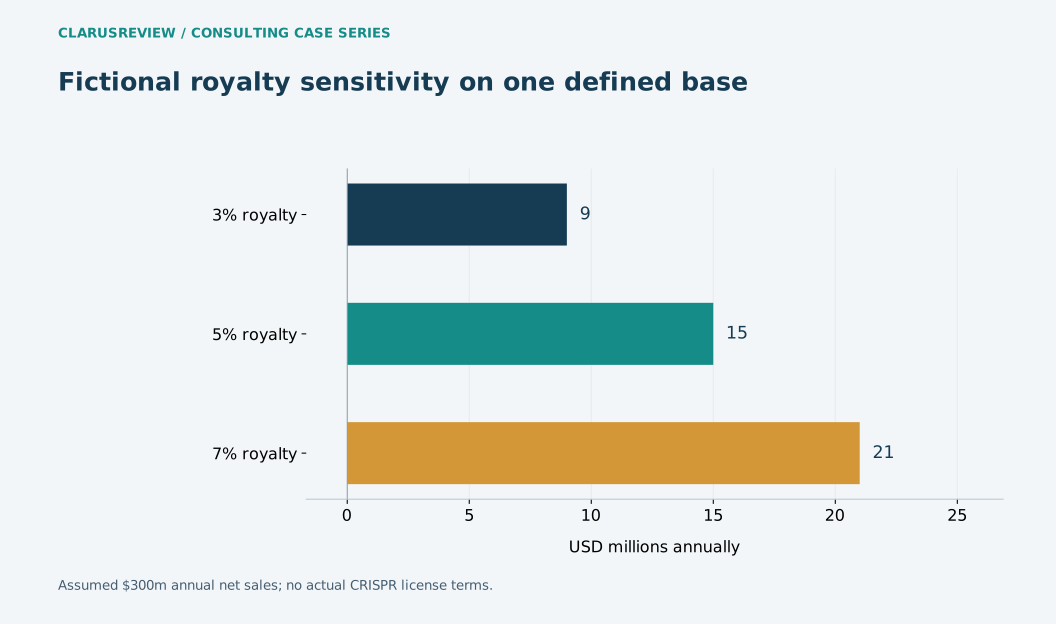
The CRISPR patent appeal frames a hypothetical rights map, licensing sensitivity and IP diligence gate.
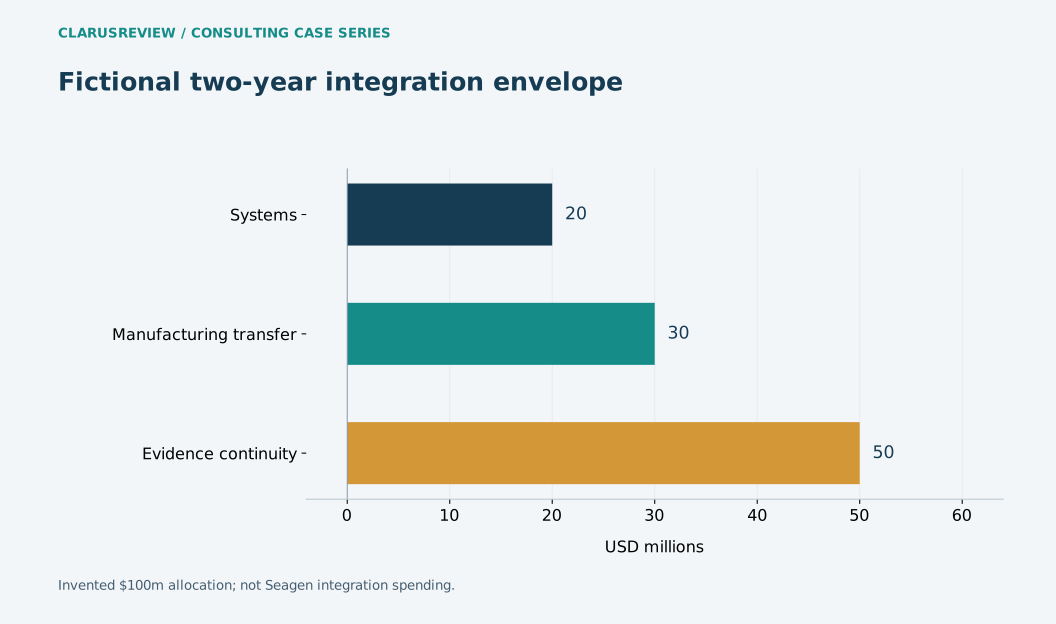
Pfizer–Seagen provides transaction context for a fictional buyer’s integration reserve and portfolio gates.
A major ADC collaboration and a recent filing setback frame staged licensing, dilution and evidence-linked funding.
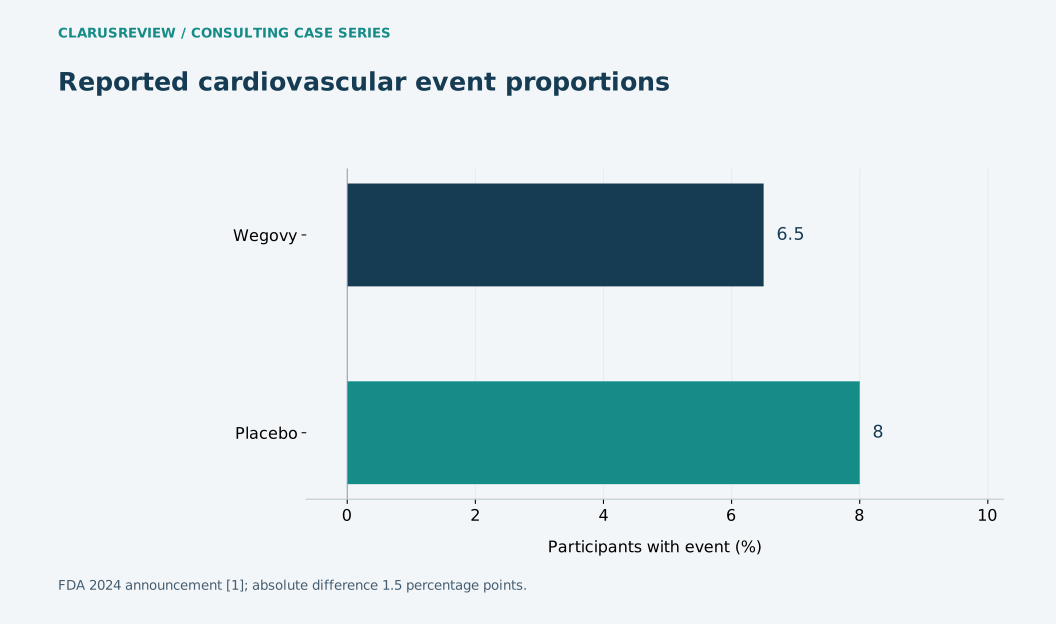
Wegovy’s outcomes result and Medicare’s next negotiation cycle frame evidence, budget and eligible-population planning.
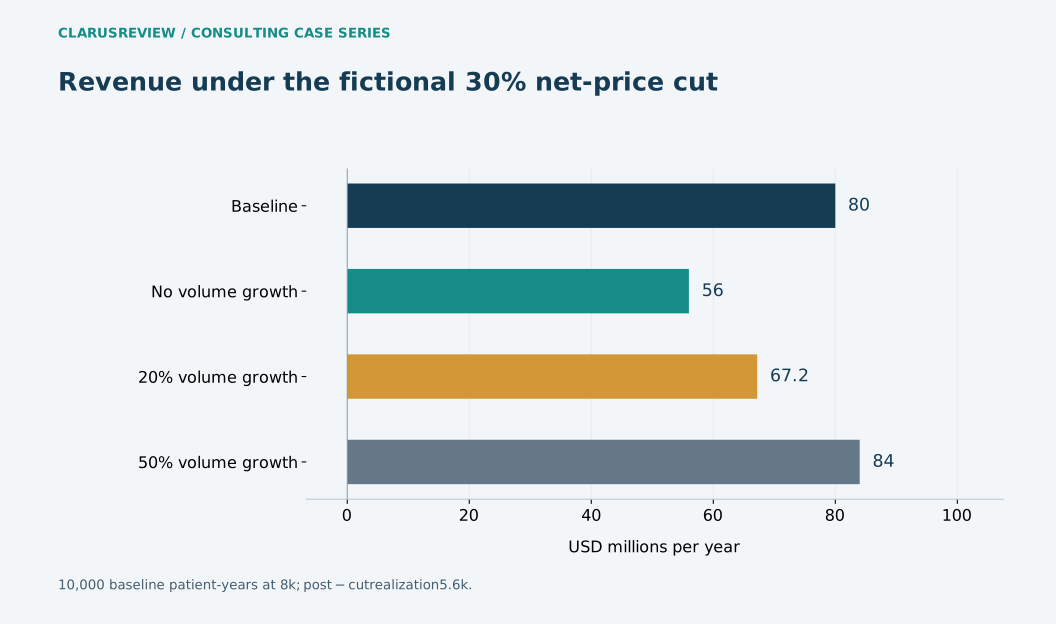
Repatha’s historical reset and recent growth provide context for a fictional launch team’s break-even calculation.
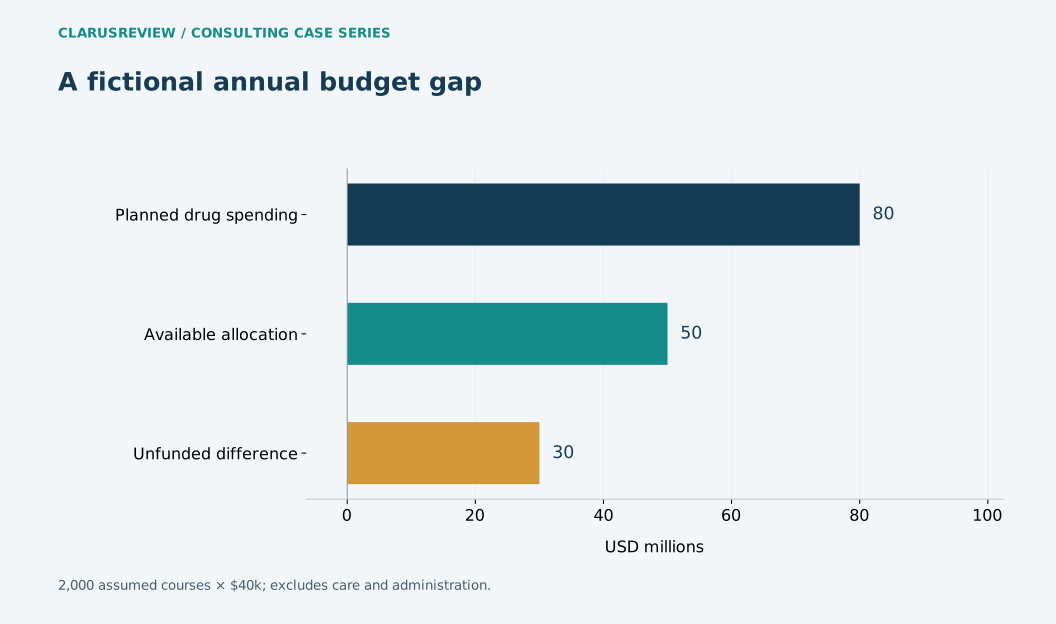
Sovaldi and current Medicare pricing implementation frame an indication-specific budget-impact assignment.
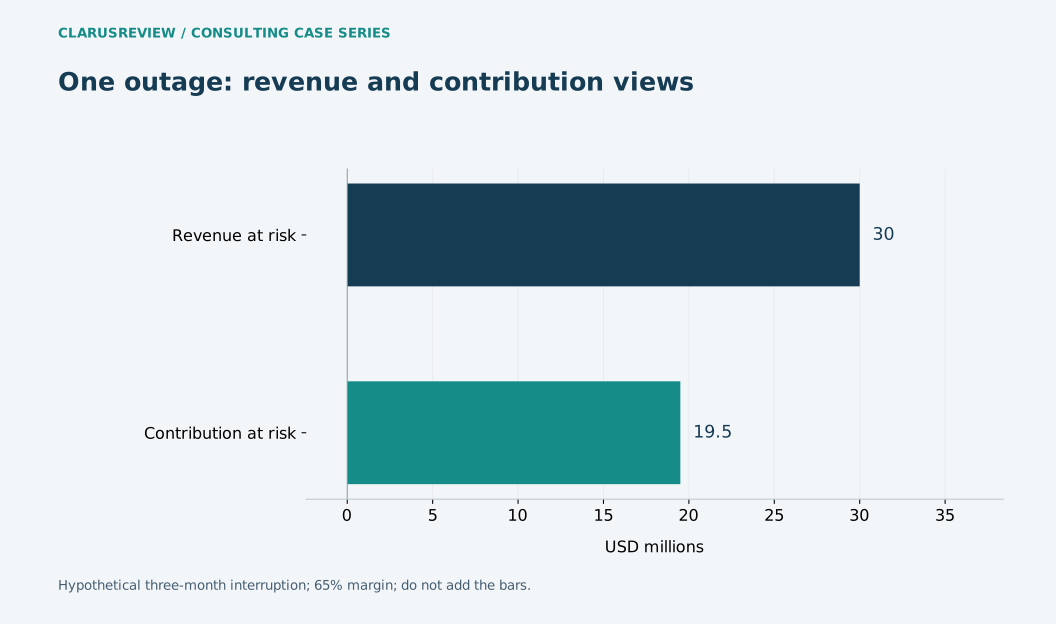
Genzyme’s remediation history anchors a hypothetical outage-exposure and backup-capacity decision.
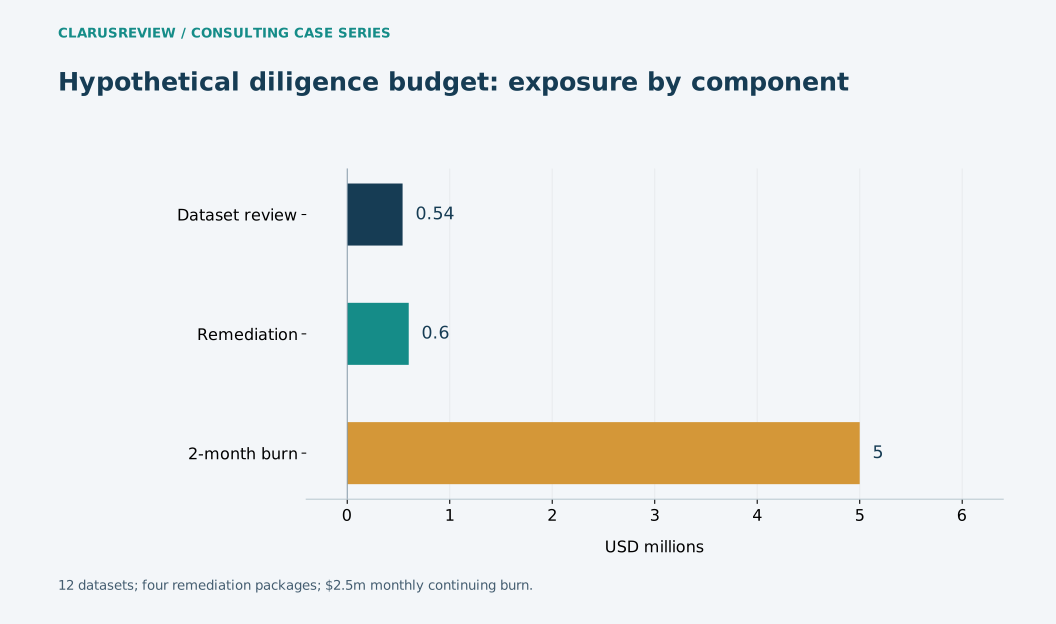
A historical gene-therapy data issue informs a hypothetical audit, remediation and transaction-delay model.
Kymriah and current cell-therapy commercialization frame manufacturing reliability, release timing and patient readiness.
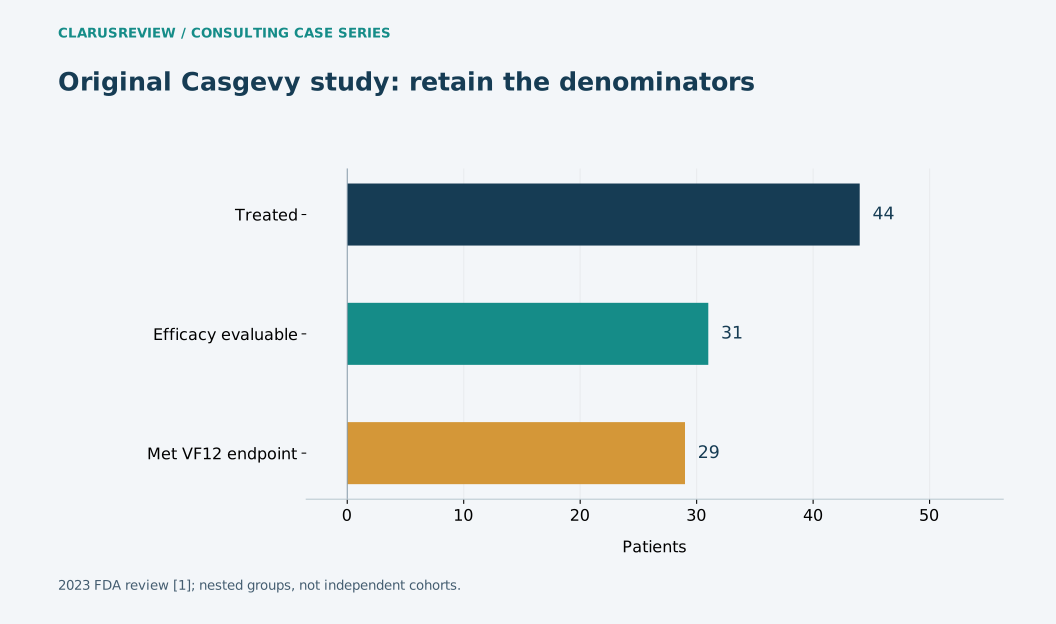
Original gene-editing evidence and 2026 launch revenue inform a hypothetical treatment-center capacity model.
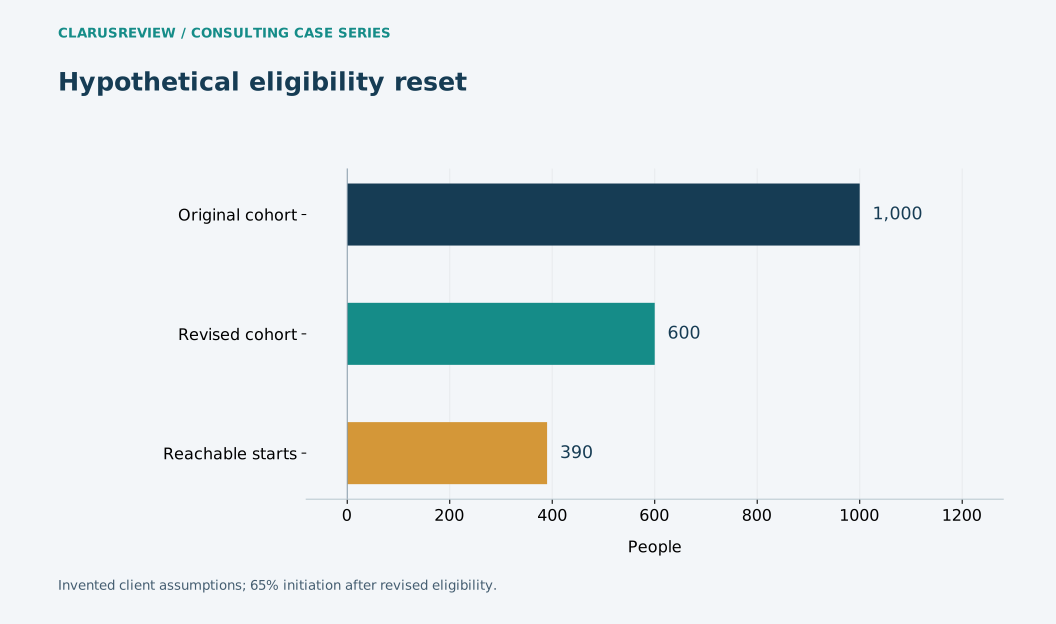
The Elevidys safety revision informs a hypothetical surveillance budget and an eligibility-sensitive operating plan.
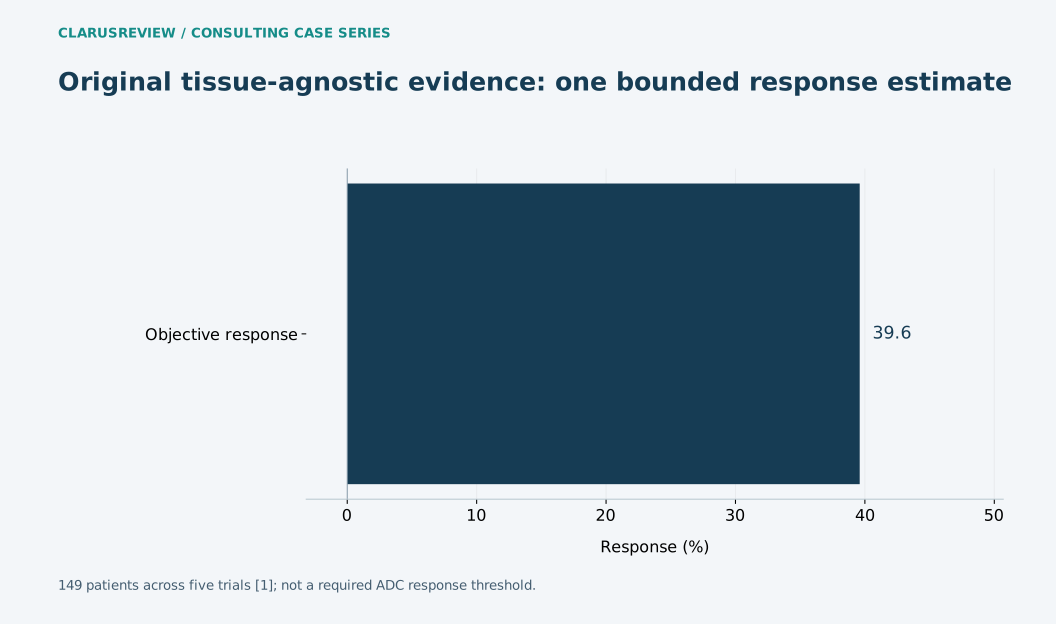
A September 2026 ADC filing withdrawal becomes a hypothetical evidence-gap, delay and cash-runway assignment.

Coordinate clinical, regulatory and manufacturing decisions with clear ownership, acceptance criteria and measurable handoffs.

A numerical framework for understanding why a milestone may change value—and why the calendar alone does not.

Turn a leadership directory into a dated, evidence-based partnering process with measurable progression.

Historical financing events and a runway model clarify what a capital headline can—and cannot—tell a reader.

A MASH case shows why a biomarker result, an approval and a commercial forecast answer different questions.

Positive and negative trial examples show why endpoint choice, patient selection and execution costs must be assessed together.
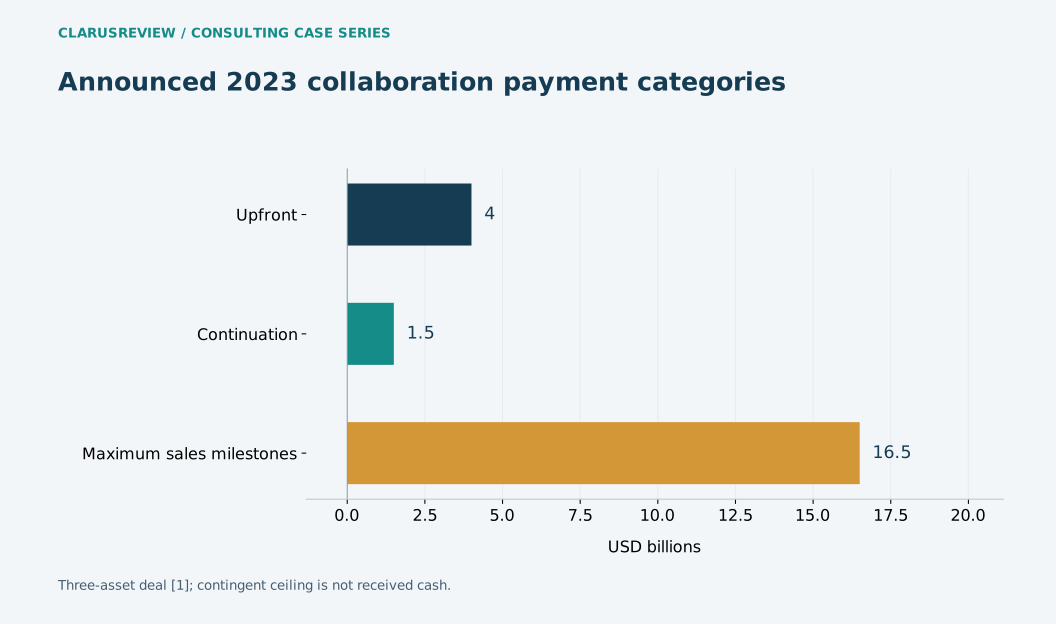
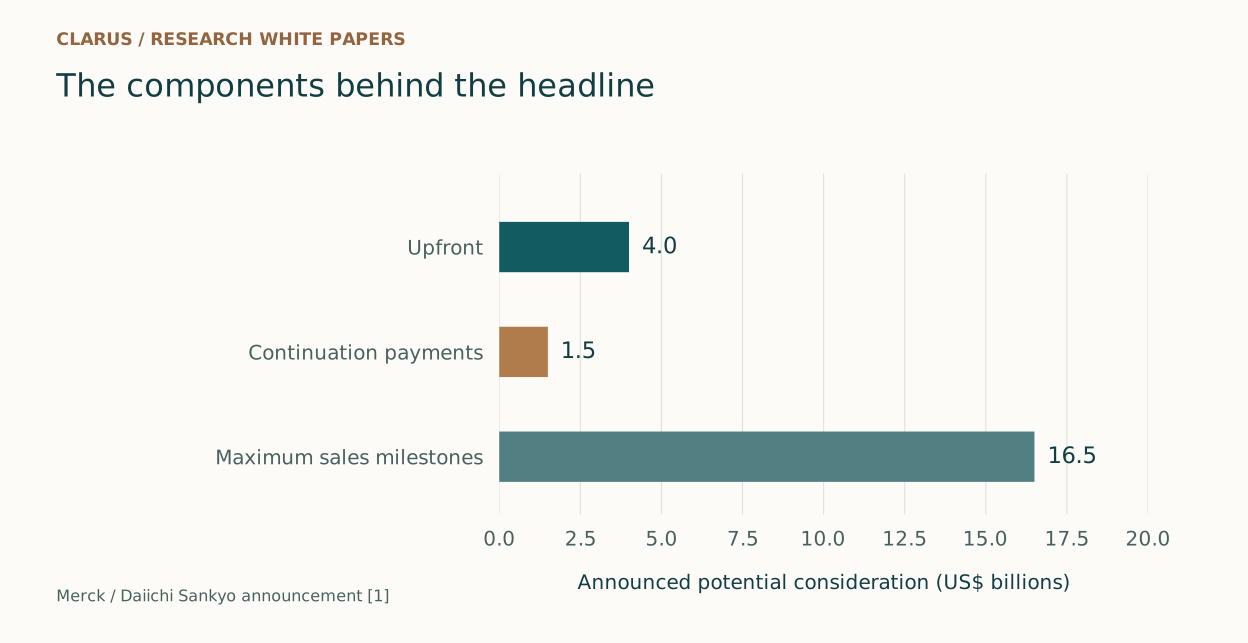
A large ADC collaboration illustrates why maximum announced consideration should be decomposed before it enters a value narrative.
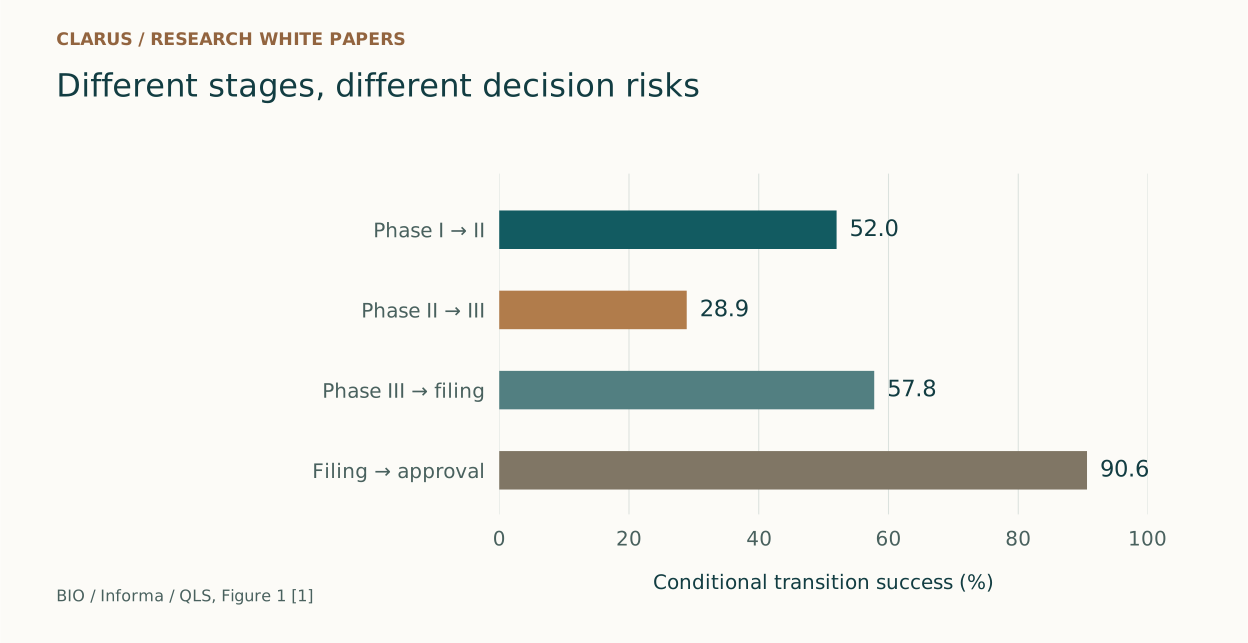
Historical transition rates help frame the challenge; the program’s evidence must determine the actual go, revise, or stop decision.
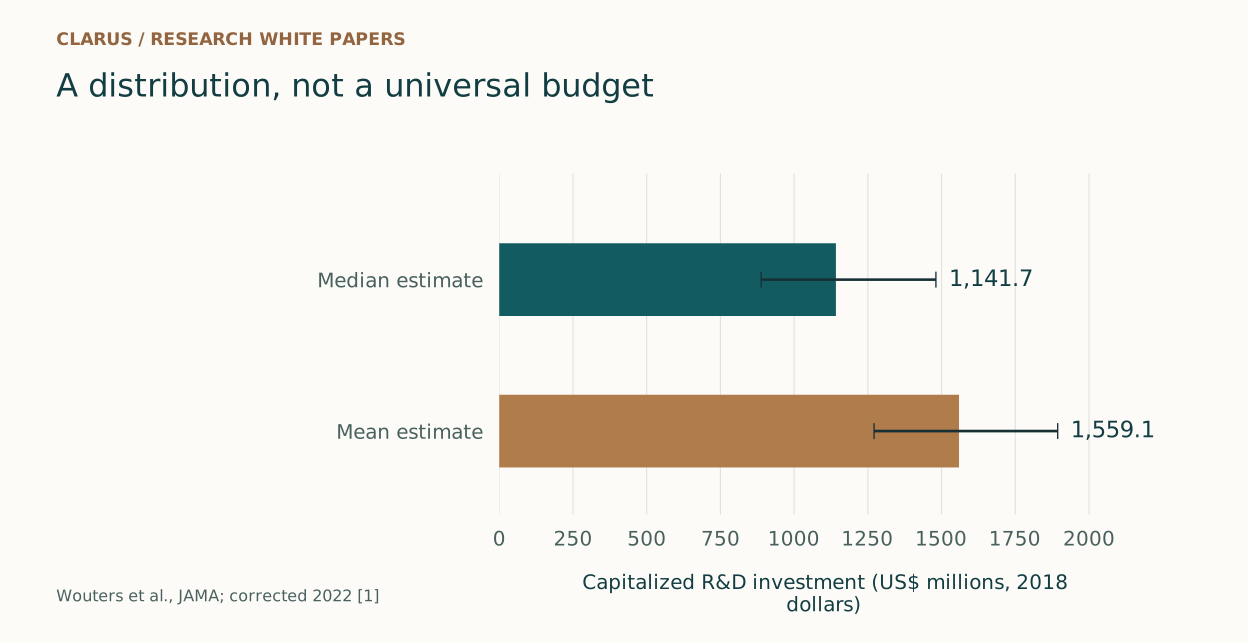
A corrected public cost study shows why a headline R&D estimate is a starting point for analysis, not a universal budget or price justification.

Recent FDA prevention counts provide a signal about supply interventions, while leaving product-level access questions unresolved.
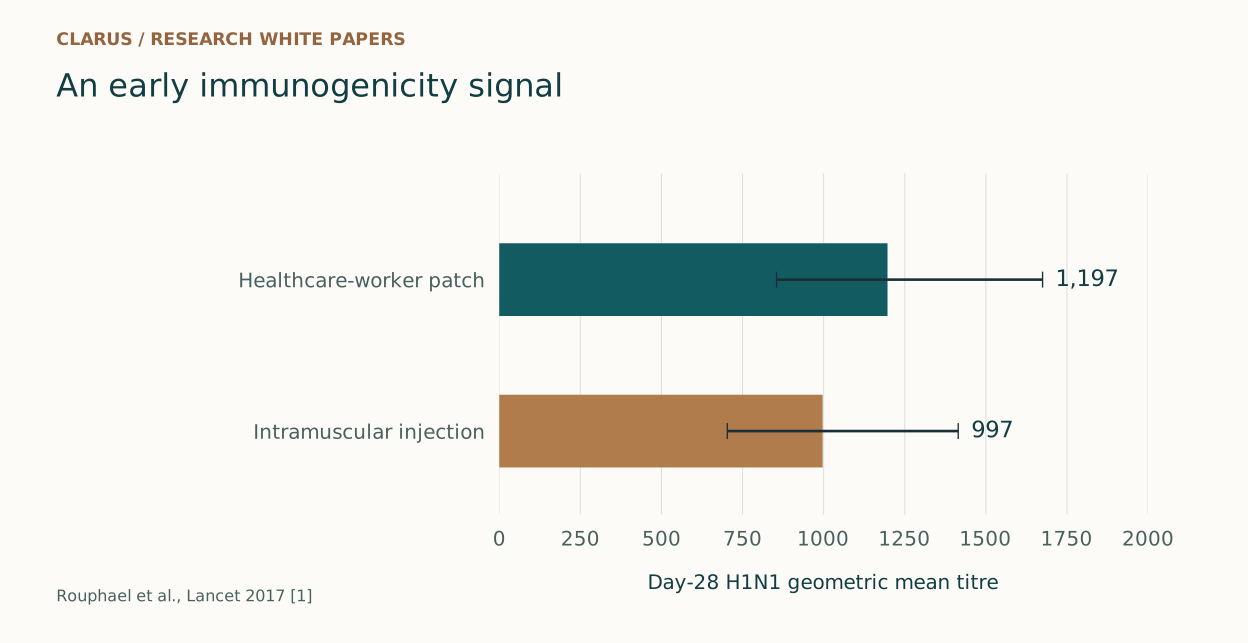
A small Phase I study provides a useful early signal and a clear boundary around what remains to be demonstrated.
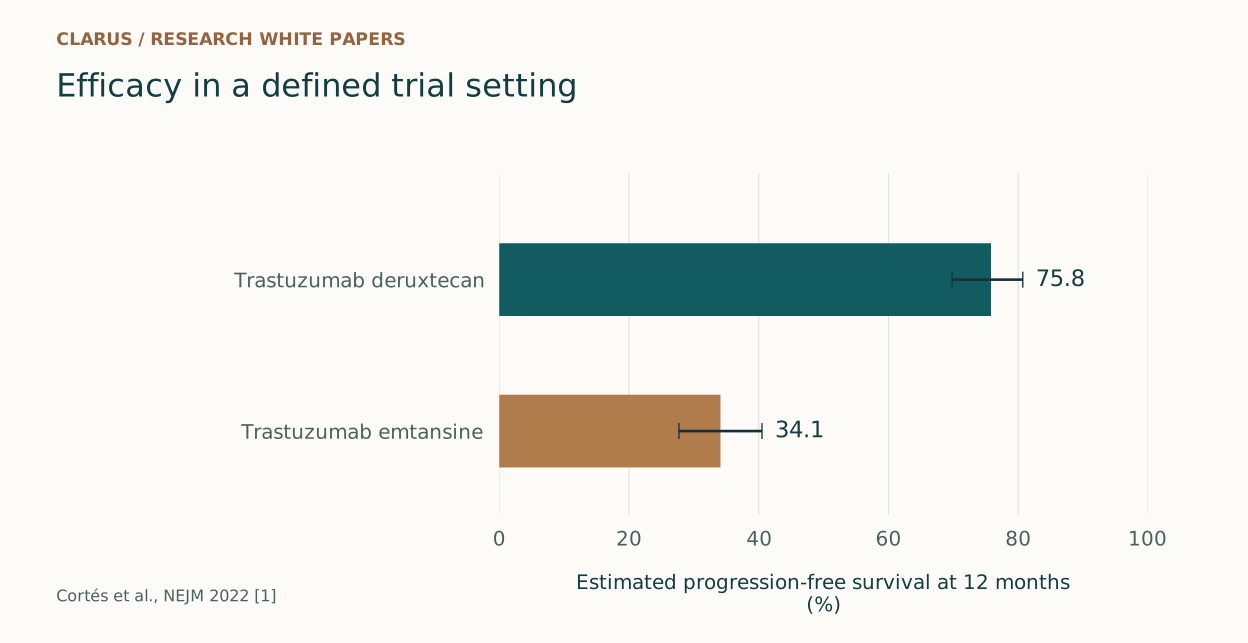
A randomized breast-cancer trial shows why efficacy and adverse-event context belong in the same product discussion.
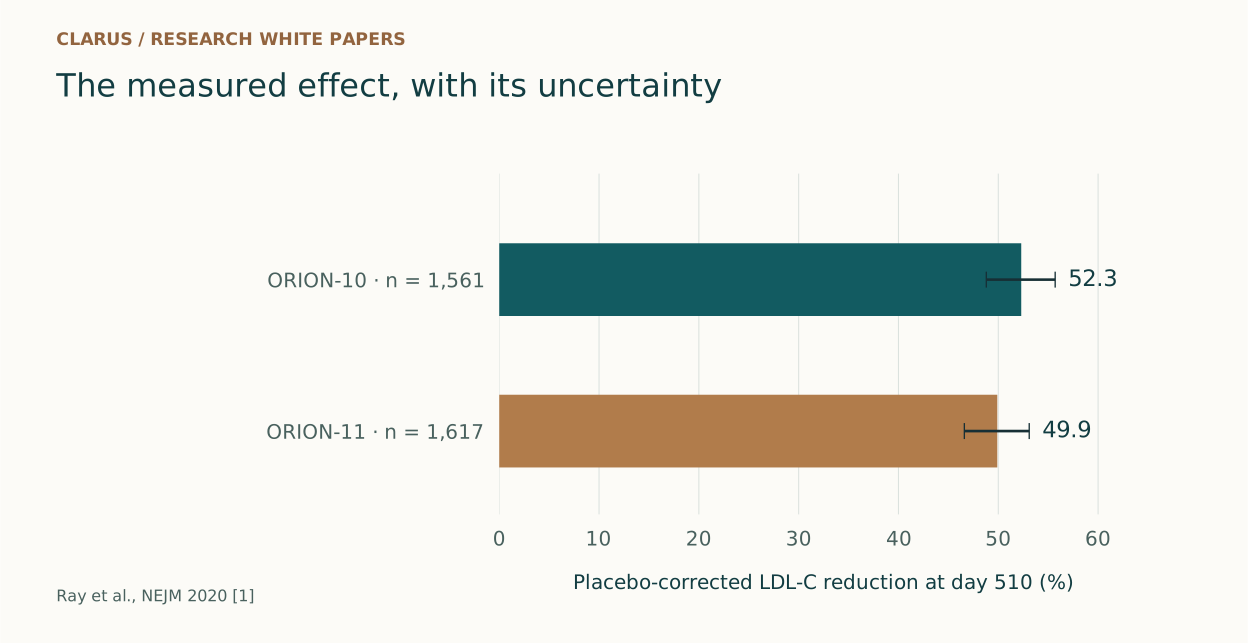
Two randomized trials illustrate how to communicate a strong biomarker result without extending it beyond the measured outcome.

Dendreon’s 2010–2014 record separates clinical value, operating revenue, and financing resilience.

A historical storage change shows why a process convenience needs product-specific supporting data.

APOLLO joined a molecular mechanism to 18-month clinical measures in a defined hereditary disease.

The CMS access model makes outcome contracting, treatment logistics, and follow-up separate milestones.